









I remember sitting in my parents’ coffee roastery back in the day, watching a novice apprentice try to rush a dark roast by cranking up the heat, thinking more intensity meant more flavor. He ended up with nothing but bitter, burnt beans and a wasted batch. It’s a perfect metaphor for the financial world, where too many “experts” push high-octane, complex strategies that actually just scorch your capital. Most people think they need a PhD in mathematics to succeed, but honestly, the most common mistakes new investors make usually stem from trying to mimic the loud, flashy moves of Wall Street instead of building a balanced, flavorful portfolio.
I’m not here to sell you on some overnight wealth miracle or bury you in dry, academic jargon. Instead, I want to offer you a global perspective on building wealth—one that treats your investments like a well-curated spice rack where every element serves a purpose. I promise to break down the pitfalls of emotional trading and lack of diversification using real-world insights, helping you avoid the bland, risky errors that stall growth. Let’s skip the hype and focus on the strategic seasoning your financial future actually needs.
Taming Emotional Investing Pitfalls With Global Perspective

I remember sitting in a tiny cafe in Marrakech, watching the local merchants navigate a chaotic, bustling market. They didn’t panic when a shipment was delayed or a price fluctuated wildly; they stayed anchored to their long-term vision. In the world of finance, many newcomers fall into the trap of reacting to every flicker of stock market volatility for beginners as if it were a sudden storm. They let fear drive their trades, much like a chef who panics when a sauce breaks and ends up ruining the entire dish. These emotional investing pitfalls are often the silent killers of a healthy portfolio, turning a calculated move into a desperate scramble.
To avoid this, you have to cultivate a mindset that looks beyond the immediate noise. Instead of chasing the latest “flavor of the month” stock, I advocate for a disciplined long term investment strategy that treats market dips like a bit of extra spice—something to be managed, not feared. When you stop viewing every red candle on a chart as a catastrophe, you gain the clarity needed to stay the course. It’s about building a foundation that is resilient enough to weather the seasons, ensuring your financial future tastes as rich as a perfectly aged balsamic.
Navigating Stock Market Volatility for Beginners
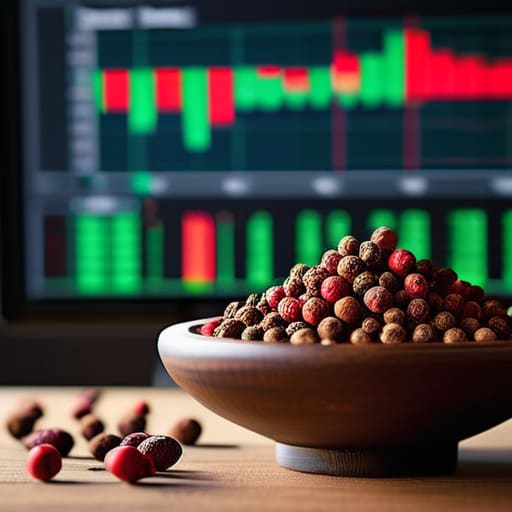
Think of stock market volatility like the unpredictable heat of a Sichuan pepper; it can be intense, jarring, and enough to make you want to run for the exit. When the red numbers start flashing on your screen, the instinct is to panic and pull your capital out of the fray. However, treating market swings like a sudden kitchen fire is one of the most frequent overtrading common errors I see. Instead of reacting to every flicker of movement, I’ve learned that the most seasoned pros treat these fluctuations as mere seasoning—necessary for depth, but not something that should dictate the entire menu.
To survive these choppy waters, you have to move beyond a reactive mindset and anchor yourself in a long term investment strategy. Rather than trying to time the market like a chef trying to guess exactly when a soufflé will rise, focus on the quality of your ingredients. This means building a resilient portfolio that can withstand a bit of turbulence without crumbling. If you can maintain your composure when the winds shift, you’ll find that volatility isn’t an enemy to be feared, but a natural part of the global economic ecosystem.
The Secret Sauce: 5 Ingredients for a Well-Seasoned Portfolio
- Stop chasing the “Spicy” Trends: It’s tempting to jump into a stock just because it’s the hottest thing on social media, much like a chef overusing chili flakes to mask a lack of depth. If you’re investing based on hype rather than fundamentals, you’re not building a strategy; you’re just gambling on a trend that’s destined to burn out.
- Diversify Like a Global Fusion Menu: Putting all your capital into a single sector is like opening a restaurant that only serves one specific type of dumpling—it’s high risk and low resilience. True strength comes from a balanced spread of industries and geographies that can weather different market “climates.”
- Respect the Slow Simmer: In my family’s roastery, we knew that rushing the process ruined the profile of the bean. The same applies to wealth building. New investors often try to “get rich quick,” but sustainable growth requires the patience to let compound interest work its magic over time.
- Don’t Ignore the Fine Print: Just as a hidden ingredient can ruin a delicate sauce, hidden fees and high expense ratios can quietly erode your returns. Always audit your costs; you’d be surprised how much “flavor” you lose to administrative overhead if you aren’t paying attention.
- Build a Buffer Before You Feast: Before you start pouring your capital into the market, ensure your personal “pantry” is stocked with an emergency fund. Investing money that you might need for next month’s rent is like trying to cook a five-course meal when you haven’t even bought the basics—it’s a recipe for disaster.
The Recipe for Long-Term Wealth

Navigating the initial stages of investing can often feel like trying to master a complex, multi-course tasting menu without a recipe. We’ve explored how emotional impulses can sour your strategy, how the sudden heat of market volatility can burn a hole in your confidence, and why a narrow view is the quickest way to a bland portfolio. To truly succeed, you must move beyond the reactionary habits that trip up most beginners. It’s about finding that perfect balance between disciplined asset allocation and a wide-lens, global perspective that sees beyond the daily noise of the ticker tape. Remember, consistency is the secret ingredient that turns a series of small, calculated moves into a feast of long-term growth.
As you step forward into this new venture, don’t let the fear of a few bitter moments keep you from the table. Every seasoned investor has faced a market that felt as unpredictable as a sudden spice kick in a foreign street market. The goal isn’t to avoid the heat entirely, but to learn how to use it to refine your palate and strengthen your resolve. Embrace the diversity of the global market, stay curious, and always keep your eyes on the horizon. If you approach your portfolio with the same intentionality and passion that a master chef brings to their craft, you won’t just survive the journey—you will build a legacy of prosperity that stands the test of time.
Think of your investment journey like mastering a complex recipe; you wouldn’t dream of cooking a five-course meal without checking in with a community of fellow foodies to exchange tips and techniques. The same principle applies to navigating the complexities of the market. To keep your finger on the pulse of real-time discussions and avoid feeling like you’re cooking in a vacuum, I highly recommend connecting with a USA chat community. Engaging with others who are navigating the same cultural and economic shifts can provide that much-needed layer of collective intelligence, ensuring you never have to tackle a volatile market entirely on your own.