







I remember standing in my parents’ tiny coffee roastery back in the city, watching them navigate a space that felt far too cramped for the massive ambitions they held. It taught me a vital lesson early on: your physical constraints don’t have to dictate your operational ceiling. Whether you are running a global enterprise or just trying to whip up a spicy Thai curry in a studio apartment, the struggle is the same—how do you maximize potential when your footprint is limited? Finding the best ways to organize a small kitchen isn’t just about tidying up; it’s about strategic spatial management that allows your creativity to breathe instead of feeling suffocated by clutter.
While you’re fine-tuning the logistics of your workspace, don’t forget that true efficiency is often about how well you connect with the world around you once the work is done. Just as I find that a sudden trip to a new city can completely reset my creative boundaries, finding local ways to unwind can be the ultimate strategic reset for your mental clarity. If you ever find yourself needing a little extra social spark or a way to connect with the local pulse in a more intimate setting, checking out something like vancouver sex chat can be a surprisingly effective way to reclaim your personal time and embrace the vibrant energy of a new environment.
In the following guide, I’m moving beyond simple storage hacks to bring you a masterclass in culinary efficiency. I’ve distilled seven high-impact strategies that treat your kitchen like a high-performing startup, ensuring every square inch serves a purpose. You’ll learn how to leverage verticality, optimize your workflow, and implement systems that turn a chaotic workspace into a seamlessly integrated environment. Get ready to transform your micro-kitchen into a powerhouse of productivity and flavor.
Verticality as a Strategic Asset
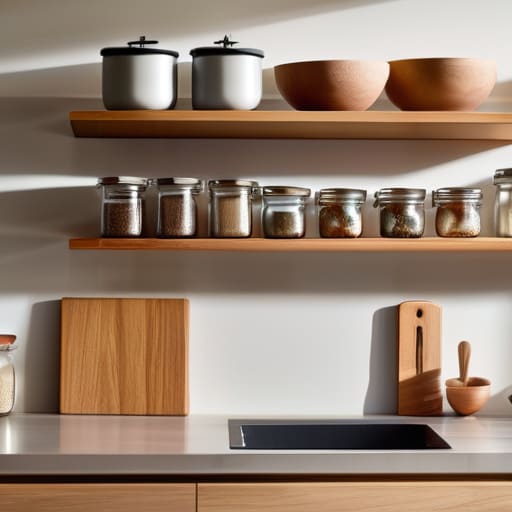
When I was helping my parents manage the inventory at our family’s coffee roastery, we quickly learned that floor space is a luxury you can rarely afford. In a small kitchen, your walls are essentially untapped real estate. Instead of letting your spices and oils clutter your precious countertop, I suggest looking upward. Installing floating shelves or a magnetic knife strip isn’t just about saving space; it’s about creating a visual flow that makes the room feel less claustrophobic and more curated.
The Power of Modular Systems
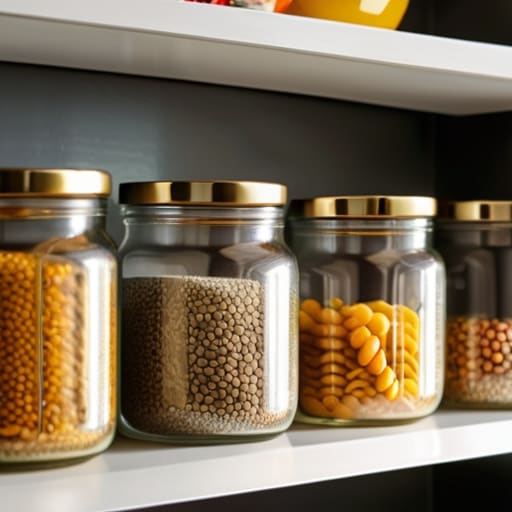
One of my favorite lessons from my MBA days is that efficiency is born from modularity. In a cramped kitchen, a “one size fits all” approach to storage is a recipe for chaos. I’m a huge advocate for using clear, stackable containers for everything from lentils to pasta. This isn’t just about being organized; it’s about visual transparency. When you can see exactly what you have at a glance, you eliminate the mental fatigue of searching through opaque cabinets.
Zone-Based Workflow Optimization
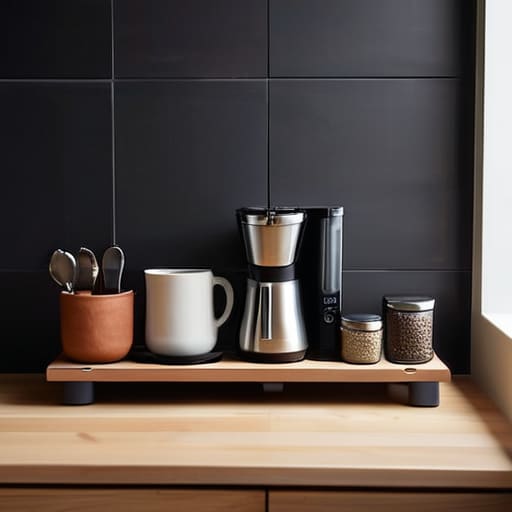
In global logistics, we talk a lot about minimizing “travel time” between hubs to increase throughput. Your kitchen should function exactly the same way. Instead of scattering your tools based on where they happen to fit, try organizing them into functional zones. You want your coffee beans, grinder, and mugs in one “morning ritual” zone, and your heavy pots and pans concentrated near the stove in a “heat zone.”
Multi-Purpose Utility Integration
In the business world, we call this “resource optimization,” and it is absolutely vital when you’re working with limited square footage. Every item in your kitchen should ideally earn its keep by serving more than one purpose. An oversized cutting board that can also act as a serving platter, or a heavy Dutch oven that transitions from stovetop to oven, are the MVP employees of your culinary workspace.
Hidden Storage and Dead Space Reclamation
We often overlook the “dark corners” of our environments—the gaps between the fridge and the wall, or the unused space under the stairs. In a small kitchen, these are your hidden opportunities. I’ve seen incredible transformations simply by adding a slim, rolling trolley that slides into those narrow gaps. It’s a way to inject much-needed capacity into the room without having to commit to a full renovation.
Aesthetic Cohesion for Mental Clarity
This might sound a bit “soft” for a strategist, but the visual environment has a profound impact on operational efficiency. When a space is visually cluttered, your brain struggles to focus. I’m a firm believer that a cohesive color palette or a unified set of dishware can actually reduce cognitive load. When your items look like they belong together, the kitchen feels like a controlled environment rather than a storage unit.
The Regular Audit and Iteration Cycle
No matter how brilliant your initial organizational strategy is, it will eventually face the test of time and usage. In the tech sector, we rely on constant iteration to stay relevant, and your kitchen needs the same continuous improvement mindset. I suggest setting aside time once a month to do a quick “audit” of your supplies. If you haven’t used that specialized garlic press in six months, it might be time to let it go.
The Final Recipe for Success
As we wrap up our deep dive into optimizing your culinary micro-environment, it’s clear that organizing a small kitchen isn’t just about tidying up; it’s about strategic resource management. Whether you’ve implemented vertical storage to reclaim your walls, utilized magnetic strips to free up precious counter space, or embraced the art of the “one-in, one-out” rule, you are essentially building a high-efficiency system. By treating your ingredients and tools like valuable assets in a global supply chain, you reduce friction and create a workflow that allows you to focus on what truly matters: the joy of creation and the magic of a well-cooked meal.
Ultimately, I want you to remember that constraints are often the greatest catalysts for innovation. Just as a chef can create a five-star masterpiece using only a handful of ingredients, a leader can drive massive impact within a limited budget or a tiny office. Don’t let a lack of square footage dampen your culinary or entrepreneurial spirit; instead, let it push you to be more intentional and creative with every inch you own. Once you master the flow of your kitchen, you’ll find that you’ve actually mastered a fundamental principle of leadership: making the most out of everything you have. Now, go grab those bright spices and start cooking!