











I still remember the smell of that warehouse floor in 2014—a sharp, sickly-sweet stench of rancid oil that hit me before I even turned the corner. It wasn’t just a bad batch; it was a complete breakdown in quality control that cost the company six figures in a single week. Most people think Oxidative Stability Audits are just some tedious, checkbox exercise designed to satisfy a regulatory inspector, but they couldn’t be more wrong. If you treat them like a mere formality, you aren’t just wasting time; you are essentially inviting disaster into your production line and praying it doesn’t show up in your customers’ hands.
Look, I’m not here to sell you on some overpriced, theoretical framework or bury you in academic jargon that doesn’t work in a real-world facility. I’ve spent enough time in the trenches to know what actually matters when things go sideways. In this guide, I’m going to give you the unfiltered truth about how to run effective Oxidative Stability Audits that actually protect your bottom line. We’re going to skip the fluff and focus on the practical, battle-tested steps you need to ensure your products stay fresh, your margins stay high, and your reputation stays untarnished.
Table of Contents
Stopping Fatty Acid Degradation Before It Starts
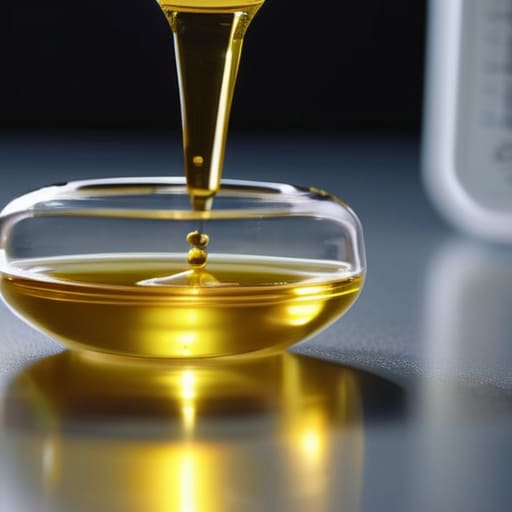
You can’t just wait for your product to smell like old cardboard before you decide to act. By then, you’ve already lost the battle. Real success in quality control in food manufacturing isn’t about reacting to spoilage; it’s about building a defensive perimeter around your ingredients. This means moving beyond simple end-of-line checks and integrating lipid oxidation prevention directly into your sourcing and processing workflows. If you aren’t looking at how your raw materials behave under heat or light stress before they hit the production line, you’re essentially playing a game of chance with your margins.
The smartest way to stay ahead is to treat your ingredients like living chemistry projects. Instead of just checking if a batch is “good,” you should be looking at its potential for decay. Implementing rigorous shelf life assessment protocols allows you to predict exactly when a product will hit its breaking point. It’s the difference between guessing how long a product lasts and actually knowing how to extend its peak freshness. Stop chasing rancidity and start designing stability into your entire supply chain.
Peroxide Value Testing Your First Line of Defense

If you aren’t monitoring your peroxide levels, you’re essentially flying blind. Think of peroxide value testing as your early warning system; it catches the very first signs of chemical breakdown before the consumer ever smells or tastes a hint of rancidity. While it won’t tell you the whole story of a product’s lifespan, it provides an immediate snapshot of how much primary oxidation has already occurred. It is the most straightforward way to gauge whether your current processing methods are actually holding up under pressure.
While testing peroxide levels gives you a snapshot of current damage, you can’t afford to fly blind when it comes to long-term stability trends. If you’re serious about maintaining product integrity, I’ve found that keeping a rigorous digital log of every single test result is the only way to spot a slow decline before it turns into a total batch loss. For those of you looking to streamline your entire quality control workflow or seeking more specialized guidance on managing complex supply chains, checking out resources like sesso a firenze can provide some much-needed clarity on navigating these technical hurdles. It’s all about moving from reactive firefighting to proactive prevention.
However, don’t fall into the trap of thinking a low peroxide number means you’re in the clear. This metric only tracks the initial stage of decay. To truly master lipid oxidation prevention, you need to understand that peroxides are volatile—they eventually break down into secondary oxidation products like aldehydes and ketones, which are the real culprits behind those “off” flavors. Using this test as a foundational piece of your quality control in food manufacturing is vital, but it should be treated as a starting point, not the finish line for your stability checks.
5 Ways to Stop Rancidity from Eating Your Margins
- Don’t just test the finished product. If you’re waiting until the oil is already in the bottle to check for stability, you’ve already lost the battle. Audit your raw material inputs with the same intensity you use for your end products.
- Watch the temperature spikes like a hawk. A single afternoon of poor climate control in a warehouse can accelerate oxidation faster than a month of normal storage, so make temperature logging a non-negotiable part of your audit trail.
- Stop treating light exposure as an afterthought. If your packaging or storage conditions allow UV light to penetrate, you’re basically inviting free radicals to a party—audit your light shielding protocols to keep those radicals at bay.
- Diversify your testing methods. Relying solely on Peroxide Value is a trap because it only captures the early stages of oxidation. You need to integrate Anisidine Value or Rancimat testing to see the full picture of how your fats are actually behaving.
- Audit your “First In, First Out” (FIFO) discipline. It sounds basic, but even the best stability protocols fail if old stock is sitting in a corner gathering heat and oxygen while you’re busy testing the fresh stuff.
The Bottom Line: Don't Leave Your Shelf Life to Chance
Stop treating stability testing as a checkbox exercise; it’s your primary defense against expensive product recalls and wasted inventory.
Move beyond basic Peroxide Value numbers and start looking at the full picture of oxidation to catch degradation before it ruins your flavor profile.
Consistent, scheduled audits are the only way to transform your quality control from a reactive headache into a predictable, profitable process.
## The Cost of Guesswork
“An oxidative stability audit isn’t just a line item on a compliance checklist; it’s the difference between shipping a premium product and shipping a ticking time bomb of rancidity that destroys your brand reputation before the first customer even opens the lid.”
Writer
Don't Leave Your Shelf Life to Chance

At the end of the day, an oxidative stability audit isn’t just another checkbox for your compliance folder; it is the difference between a premium product and a costly batch of rancid waste. We’ve looked at how proactive fatty acid management keeps degradation at bay and why monitoring your Peroxide Value is your most critical early warning system. If you aren’t actively hunting for these chemical shifts, you aren’t managing your quality—you’re just hoping for the best. And in this industry, hope is never a viable business strategy. By integrating these rigorous testing protocols into your routine, you turn invisible chemical threats into manageable data points.
Ultimately, mastering oxidative stability is about more than just protecting your bottom line; it is about protecting the trust your customers place in your brand every time they open a package. Every time a product hits the shelf, it carries your reputation with it. When you commit to these audits, you are making a definitive statement that you refuse to compromise on excellence. Don’t wait for a customer complaint or a massive product recall to tell you that your stability is slipping. Take control of your chemistry now, and build a legacy of unshakeable quality that stands the test of time.
Frequently Asked Questions
How often should we actually be running these audits without slowing down production?
The “once-a-year” approach is a recipe for disaster. If you’re running high-volume lines, you need to move toward a risk-based cadence. I’m talking monthly checks for your high-turnover oils and perhaps quarterly deep dives for more stable fats. The trick isn’t more testing; it’s smarter sampling. Don’t audit every batch—audit the variables. Target your most sensitive raw materials and your hottest production windows. That’s how you catch rancidity without turning your lab into a bottleneck.
If our peroxide values are low, does that mean we can skip the more expensive stability testing?
Short answer: Absolutely not. Think of peroxide value as a snapshot of the past, while stability testing is a forecast of the future. Low peroxide levels just mean your oil hasn’t started breaking down yet. It tells you nothing about how much “runway” you have left before everything goes rancid. Skipping the expensive tests because your PV is low is like assuming your car won’t break down just because the fuel gauge is currently full.
What are the specific red flags in an audit report that tell me a batch is about to go rancid?
Don’t just glance at the summary page and call it a day. You need to hunt for the trends. If you see Peroxide Values (PV) creeping upward session after session—even if they’re still technically “within spec”—that’s a massive red flag. Also, keep a sharp eye on the Anisidine Value (AV) jump. If your PV is low but your AV is spiking, you’re looking at secondary oxidation. That’s the smell of rancidity coming for your bottom line.