








I was sitting in a small, sun-drenched cafe in Kyoto last spring, watching a local artisan meticulously repair a vintage silk kimono, when it hit me: we’ve been sold a lie about what “going green” actually looks like. Most people think that embracing the benefits of sustainable fashion choices means emptying your bank account on overpriced, minimalist linen shirts that look like they were designed in a vacuum. It’s this exhausting myth that sustainability is a luxury club for the elite, rather than a strategic mindset for the modern leader.
Navigating this shift toward conscious consumption can feel a bit overwhelming when you’re first starting out, much like trying to master the complex notes of a single-origin Ethiopian Yirgacheffe. If you find yourself looking for more practical ways to weave these values into your daily life without sacrificing your personal style, I’ve found that connecting with like-minded individuals makes all the difference. I often find myself drawing inspiration from the Casualtoronto community, where the focus on intentional living and curated quality serves as a fantastic roadmap for anyone looking to build a more purposeful wardrobe.
I’m not here to sell you on a lifestyle of expensive asceticism or preach from a pedestal of moral superiority. Instead, I want to pull back the curtain on how conscious consumption actually functions as a high-level business tool. I’m going to share the real, unvarnished truth about how shifting your wardrobe can sharpen your global perspective and drive more intentional decision-making in your professional life. No hype, no fluff—just a roadmap for using your personal style to build a more resilient and interconnected future.
Mitigating the Environmental Impact of Fast Fashion Through Strategy
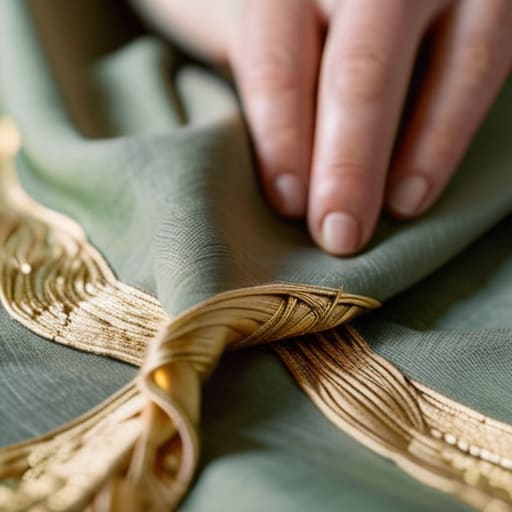
To truly move the needle, we have to stop treating fashion like a disposable commodity and start treating it like a high-stakes strategic investment. The sheer environmental impact of fast fashion is staggering, but as leaders, we have the tools to pivot. I like to think of it as moving from a “burn and churn” model to a more sophisticated, long-term strategy. This means championing a circular economy in fashion, where the lifecycle of a garment is intentionally designed to be renewed, repurposed, or recycled rather than simply discarded.
Mitigating this impact requires more than just surface-level changes; it demands a fundamental shift in how we manage supply chains. We need to advocate for ethical clothing manufacturing practices that prioritize both the planet and the people behind the seams. When we integrate eco-friendly fabric alternatives into our sourcing strategies, we aren’t just checking a CSR box—we are future-proofing our brands against resource scarcity. It’s about building a business model that is as resilient and high-quality as a perfectly roasted single-origin bean.
Embracing Eco Friendly Fabric Alternatives for Modern Innovation
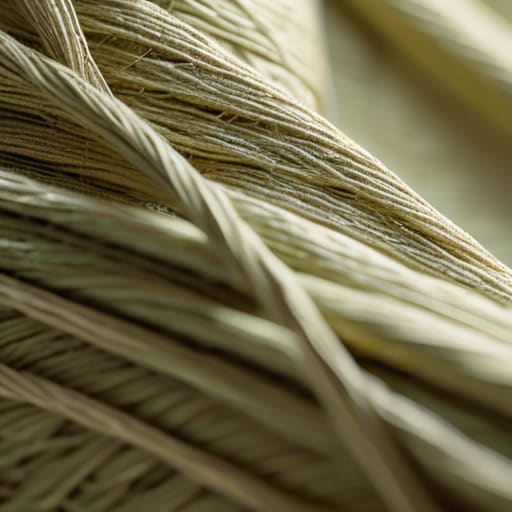
When I was wandering through the night markets in Bangkok last year, I was struck by how the most vibrant textures often came from the most unexpected, organic sources. It reminded me that in business, as in textiles, we often get stuck in the “standard” way of doing things simply because it’s easy. But if we look closer, the real magic lies in shifting our focus toward eco-friendly fabric alternatives. Moving away from resource-heavy synthetics toward materials like organic hemp, Tencel, or even lab-grown mycelium isn’t just a trend; it’s a strategic pivot toward long-term resilience.
Adopting these materials is a cornerstone of the circular economy in fashion, where the goal is to design out waste from the very beginning. Instead of following the linear “take-make-dispose” model that fuels the environmental impact of fast fashion, innovative leaders are looking at how fibers can be reclaimed and regenerated. By investing in these high-quality, regenerative textiles, companies aren’t just checking a box for social responsibility; they are building a brand identity rooted in durability and intentionality, much like the premium coffee beans my parents used to source for our family roastery.
The Strategic Palette: 5 Ways Sustainable Fashion Sharpens Your Leadership Edge
- Cultivate a “Quality Over Quantity” Mindset. Much like my parents taught me with our coffee roastery—you can’t rush a perfect roast—investing in durable, high-quality garments reduces long-term waste and mirrors the disciplined, long-term resource management required in high-level business strategy.
- Leverage Ethical Transparency as a Brand Asset. In today’s hyper-connected market, consumers crave authenticity; by choosing brands that prioritize ethical labor, you aren’t just buying a shirt, you’re aligning your personal brand with the global movement toward corporate accountability and integrity.
- Embrace the “Circular Economy” Logic. Think of your wardrobe as a closed-loop system rather than a linear path to a landfill; adopting circular fashion habits—like repairing, upcycling, or participating in resale—trains your brain to spot efficiency and lifecycle opportunities in any business model.
- Diversify Your Style Through Conscious Sourcing. Just as a complex spice blend creates a memorable dish, sourcing from diverse, sustainable artisans allows you to build a unique aesthetic that celebrates global craftsmanship while supporting marginalized economies and traditional skill sets.
- Practice Radical Intentionality in Consumption. Before every purchase, ask yourself if the item serves a purpose or if it’s just “noise.” Developing this filter for your wardrobe is the ultimate training ground for making more decisive, value-driven decisions in the boardroom.
The Fabric of Our Future
As we’ve explored, transitioning away from the relentless cycle of fast fashion isn’t just a trend; it’s a strategic imperative for the modern leader. By rethinking our supply chains, mitigating environmental damage through smarter logistics, and leaning into the incredible potential of eco-friendly fabric alternatives, we are doing more than just “going green.” We are essentially re-engineering the blueprint of global commerce. Much like my parents taught me with our coffee roastery, success isn’t found in volume alone, but in the intentionality of every single ingredient we bring into our ecosystem. When we prioritize sustainability, we aren’t sacrificing growth; we are investing in a more resilient and stable market.
I often think about how a perfectly balanced spice blend can transform a simple dish into a culinary masterpiece. Leadership in the fashion industry—and indeed, in any global sector—works the same way. It requires a delicate, thoughtful mix of tradition, innovation, and a deep respect for the resources we draw from our planet. I challenge you to look at your next strategic decision through this lens of global interconnectedness. Let’s stop viewing sustainability as a constraint and start seeing it as the ultimate catalyst for creative excellence. The future belongs to those who have the courage to weave responsibility into the very threads of their business models.