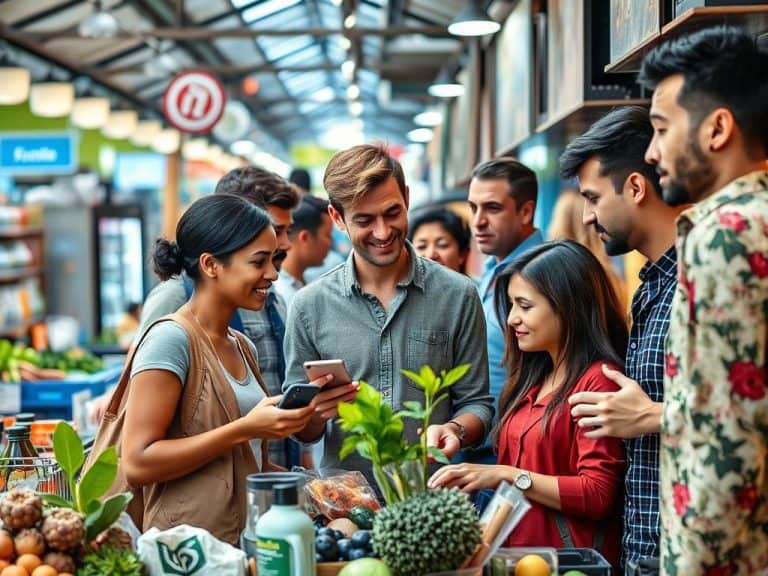










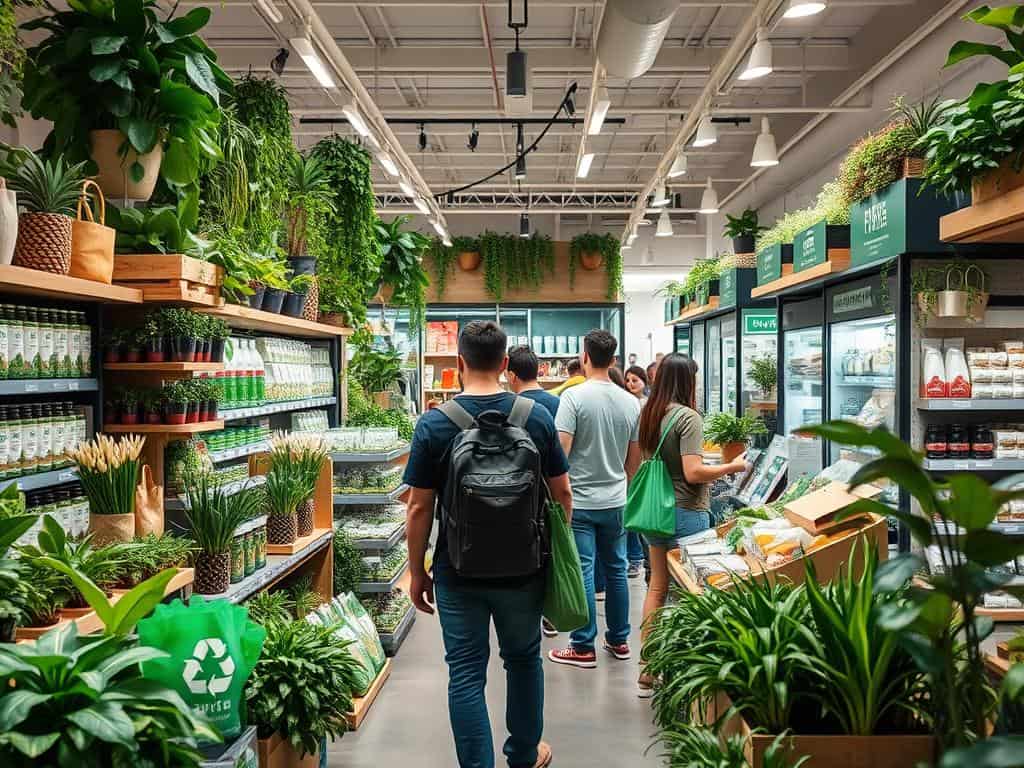
Walking through my favorite local store, I think back to the hours my friends and I spent shopping. We often bought things we didn’t really need. The thrill of buying was exciting, but then I started to think about the impact.
My journey towards sustainable shopping has been both eye-opening and challenging. With more people wanting to shop ethically, the retail world is changing fast. Businesses need to adapt or risk losing out.
Seeing retailers focus on sustainability has shown me how it builds loyalty. It also shows they’re in tune with today’s values. With 73% of shoppers using different ways to buy, companies like Nudea show that being green can be good for business and the planet.
In 2024, I’m hopeful about the impact of our shopping choices. I believe we can make a difference. Are you ready to explore this journey with me?
Key Takeaways
- 73% of consumers prefer a multichannel shopping experience.
- Retailers using three or more channels see a 251% boost in customer engagement.
- Social commerce is growing rapidly, making up a significant sales channel.
- Sustainability demands are rising, with customers seeking eco-friendly options.
- AI-powered personalization enhances the shopping experience for consumers.
- Two-thirds of consumers prioritize sustainability in their purchasing decisions.
- The rise of subscription commerce models offers convenience and tailored choices.
The Shift to Conscious Consumerism
The retail world is changing fast. More people are choosing to buy in a way that’s good for the planet and society. They want products that match their values, leading to a big demand for things that are sustainable. Stores need to keep up with these new wants to stay ahead.
Understanding Consumer Attitudes
People’s views on buying things that are good for the planet have changed a lot. They care more about where things come from and how they’re made. Customers want to know that the brands they support are doing the right thing for the environment.
Being open about how products are made and getting certifications for being green can help. It makes customers trust a brand more and want to keep buying from them.
Willingness to Pay for Sustainable Products
More and more people are willing to pay extra for products that are good for the planet. About 45% of shoppers are ready to spend more on items that are eco-friendly. This shows a big change in how people shop, where they value quality and doing the right thing more than saving money.
Brands that focus on being sustainable are more likely to attract these shoppers. They build strong relationships with customers that last longer than just one purchase.
Sustainability in Retail: Key Trends for 2024
The retail world is changing fast, with a big focus on sustainability. Brands like Patagonia and Lululemon are now using models that encourage reuse and recycling. They’re not just cutting down on waste; they’re also winning over customers who care about the planet.
Their use of resale markets shows the growing appeal of secondhand shopping. This trend is expected to grow even more, with the secondhand market in the U.S. set to double by 2026. As a result, more stores will likely jump on the sustainable bandwagon.
The Role of Circular Economy in Retail
The circular economy is changing how retailers work. It aims to lessen environmental harm by designing products better and managing their life cycles more efficiently. This approach helps retailers tackle the big problem of greenhouse gas emissions from their supply chains.
Companies that lead in sustainability are not only helping the planet. They’re also getting ahead in the market. It’s a win-win situation for both the environment and their business.
Green Technologies and Digital Transformation
Green technologies are key to making retail more sustainable. Technologies like AI and blockchain are making supply chains more transparent and efficient. This digital shift could add up to USD 90 billion in value for consumer electronics.
These innovations focus on sustainability, meeting the growing demand for eco-friendly practices. It shows how important it is for retailers to be green.
Enhanced In-Store Experiences Driven by Sustainability
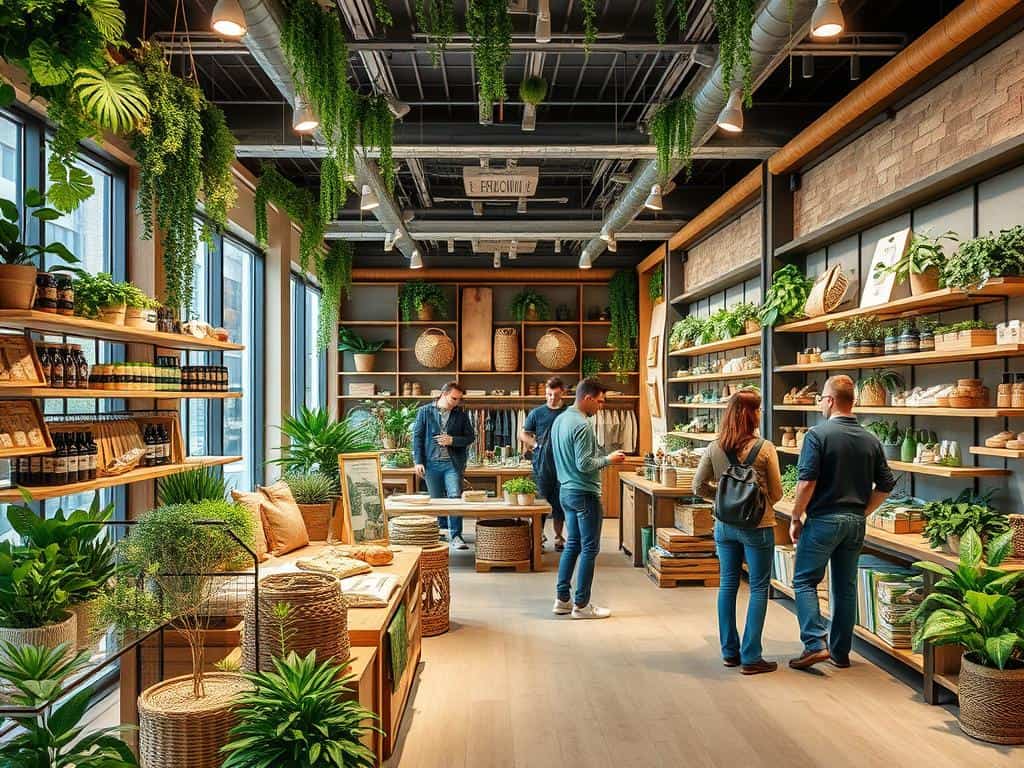
Brick-and-mortar stores are becoming more than just places to shop. They’re turning into hubs for sustainability, with interactive displays and product demos. Stores like Lululemon are combining physical shopping with sustainable practices.
This approach not only attracts eco-conscious shoppers. It also builds loyalty and strengthens community ties. By blending online and offline shopping, retailers can create a deeper connection with their customers.
Developing Sustainable Supply Chains
Creating sustainable supply chains is key in the retail world. It helps reduce environmental harm and supports fair labor and renewable energy. This way, retailers can meet the needs of eco-aware shoppers.
Minimizing Environmental Impact
More than 90% of an organization’s greenhouse gas emissions come from the supply chain. Using local materials cuts down on emissions and helps local economies. Retailers can also cut costs by reducing waste and using resources more efficiently.
Importance of Fair Labor Practices
Fair labor is vital in sustainable supply chains. Laws like the UK’s Modern Slavery Act and California’s Transparency in Supply Chains Act push for ethics. By focusing on fair labor, companies gain trust and loyalty from customers who value social responsibility.
Utilizing Renewable Energy Sources
Using renewable energy in retail has many benefits, like lowering carbon footprints. Retailers who adopt green practices show they care about the environment. This approach boosts customer satisfaction and builds strong relationships with eco-conscious shoppers.
Conclusion
The retail industry is at a critical point. With 61% of CxOs seeing climate change’s impact, eco-friendly practices are urgent. Over half of U.S. consumers want sustainable retail, showing a big shift in what people expect.
Retailers need to change by adopting green practices that appeal to their customers. This is key to meeting new consumer demands.
Textiles waste is a huge problem, with 92 million tons going to landfills yearly. Using the circular economy and green tech can help reduce this. Today’s tech-savvy shoppers also want to know about sustainability, making it essential for building trust and growth.
The success of retail sustainability depends on showing real commitment to the environment. We can turn challenges into chances by focusing on sustainability. This will not only make our operations better but also help our planet.
By tackling these important areas, I believe we can move forward in the changing retail world. We can build a more sustainable future together.