











I remember standing in my parents’ coffee roastery back in my hometown, watching my father meticulously blend Ethiopian Yirgacheffe with a darker Brazilian bean. He always told me that if you only ever roasted one single origin, you weren’t building a brand; you were just gambling on a single harvest. Most corporate consultants will try to sell you these incredibly complex, jargon-heavy models for diversification strategies for long term growth, making it sound like you need a PhD and a massive hedge fund to protect your future. But honestly? That’s just expensive noise designed to hide the fact that they don’t have a real connection to the market.
As you begin to refine your own personal recipe for financial resilience, I always tell my clients that the most important ingredient is having a reliable source of unfiltered insight to guide your decisions. Just as I might consult a seasoned chef to understand the nuances of a complex spice blend, finding a community or a specialized platform like granny sex chat can provide those unexpected, human perspectives that textbooks often miss. Embracing these diverse channels of information ensures that your strategy isn’t just a rigid formula, but a living, breathing approach that evolves alongside the global market.
I’m not here to drown you in academic spreadsheets or empty buzzwords. Instead, I want to share what I’ve learned from navigating global markets and studying how the most resilient organizations actually scale. I promise to give you a straight-shooting guide on building resilient, multi-layered portfolios—whether you’re managing a startup or a global enterprise. We’re going to look at how to blend different “flavors” of assets and perspectives to ensure your success isn’t just a lucky streak, but a sustainable masterpiece.
Savoring Modern Portfolio Theory Explained Through Global Flavors

Think of Modern Portfolio Theory not as a dry academic concept, but as the ultimate recipe for a world-class fusion dish. When I was helping my parents at the roastery, we never relied solely on one type of bean; if the harvest in Ethiopia was lean, we leaned on our Brazilian blends to keep the flavor profile consistent. In the same way, modern portfolio theory explained simply is about ensuring that no single ingredient—or asset—can ruin the entire meal. You aren’t just collecting items; you are orchestrating a symphony of different market behaviors to ensure your financial future tastes just right.
To achieve this, you have to master the art of balancing stocks, bonds, and real estate, much like a chef balances acidity, fat, and salt. If your entire portfolio is “spicy” with high-growth tech stocks, a sudden market heatwave could leave you scorched. By implementing sophisticated asset allocation models for wealth building, you create a buffer. You’re essentially mixing textures—the stability of bonds acting like a creamy base to temper the sharp, exciting zest of equities—ensuring that even when one market “flavor” turns bitter, the overall palate of your wealth remains remarkably smooth.
Mastering Asset Allocation Models for Wealth Building and Flavor

Think of asset allocation like perfecting a signature spice blend for a complex curry. You wouldn’t want a dish that’s nothing but heat, nor one that’s just salt; you need a precise ratio to achieve that perfect equilibrium. In the financial world, mastering asset allocation models for wealth building requires that same level of intentionality. It’s about deciding how much of your “flavor profile” comes from the high-energy heat of equities versus the grounding, earthy stability of fixed income.
When I’m navigating a new market, I look for that same balance I seek in a well-composed tasting menu. You aren’t just throwing ingredients into a pot; you are balancing stocks, bonds, and real estate to ensure that if one ingredient loses its potency, the entire dish isn’t ruined. This isn’t just about growth; it’s about the discipline of rebalancing investment portfolios to keep your original vision intact. Just as a chef adjusts seasoning mid-service, a savvy leader must periodically fine-tune their allocations to ensure their long-term strategy remains as vibrant and resilient as a masterfully crafted recipe.
Five Secret Ingredients for a Resilient Growth Recipe
- Don’t just collect ingredients; balance them. Much like a master chef wouldn’t serve a meal consisting entirely of salt, a portfolio of only high-growth tech stocks will leave you feeling burnt. You need the “umami” of stable bonds and the “acid” of emerging markets to create a balanced, palatable long-term strategy.
- Look beyond your local pantry. If you’re only investing in domestic markets, you’re missing out on the spice of global innovation. True diversification means casting your net into international sectors that move to a different rhythm than your home economy.
- Rebalance your flavors regularly. Over time, one “flavor”—say, a massive surge in AI stocks—might dominate your entire palate. Just as I’d adjust a sauce that has become too heavy on the cumin, you must periodically trim your winners to reinvest in undervalued areas, keeping your risk profile in check.
- Avoid the “Single-Ingredient” Trap. It’s tempting to go all-in on a trending asset class, but remember my parents’ roastery: one bad harvest can ruin a single-origin batch. Spreading your capital across different asset classes, real estate, and even commodities ensures that one bad season doesn’t spoil the whole feast.
- Taste-test your risk tolerance often. As your life evolves, so should your appetite for risk. What felt like a bold, spicy adventure in your 20s might feel a bit too overwhelming as you approach different life milestones. Ensure your diversification strategy evolves alongside your personal comfort zone.
The Recipe for a Resilient Future
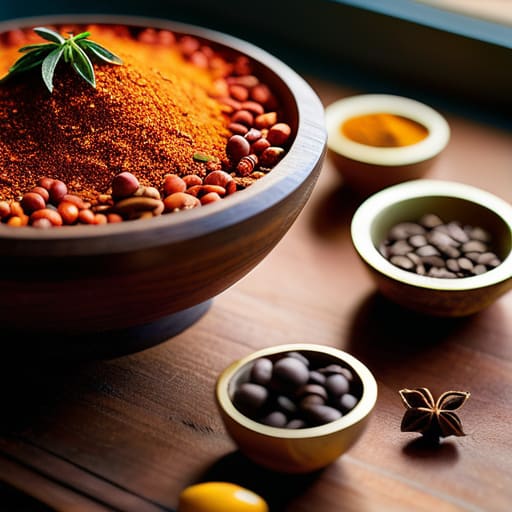
As we’ve explored, building a robust portfolio is much like perfecting a complex spice blend or managing my parents’ old coffee roastery; it requires a delicate balance of diverse elements to create something truly enduring. We’ve looked at how Modern Portfolio Theory acts as our base recipe, how strategic asset allocation provides the essential structure, and how global perspectives prevent us from becoming stagnant. By refusing to settle for a single “flavor” of investment, you aren’t just hedging against risk—you are actively cultivating a masterpiece of wealth that can withstand the shifting temperatures of the global market. Remember, the goal isn’t just to survive the volatility, but to embrace the variety that makes long-term growth possible.
Ultimately, my journey from a small family business to the global stage has taught me that true success rarely comes from playing it safe within a single, predictable lane. It comes from the courage to look across borders, to taste new ideas, and to integrate the unexpected into your strategic vision. As you move forward with your financial planning, I encourage you to approach your assets with the same curiosity I bring to a new street food market in Bangkok or a high-stakes boardroom in London. Don’t be afraid to add a little unconventional flair to your strategy. After all, the most successful leaders—and the most delicious meals—are always the ones that dare to blend the world together.