









Reflecting on my journey with luxury brands, I see how our tastes change. Today, luxury is more than just being rare or expensive. It’s about feeling a real connection with the brands we choose.
In 2024, we want more than just to own things. We seek experiences that match our values and who we are. With US luxury retail sales expected to hit $136 billion by 2027, it’s key to understand what drives our buying habits.
For instance, 68% of us now look for eco-friendly options when shopping. We’re aware of how our choices affect the planet. Also, 87% of us want brands to offer personalized experiences, showing that luxury is about the feeling, not just the product.
This change in how we shop shows that luxury brands need to evolve. They must find new ways to connect with us and meet our growing expectations.
Key Takeaways
- 68% of luxury consumers value sustainability in brands.
- 87% appreciate hyper-personalized experiences.
- 45% of luxury brands have integrated AR and VR technologies.
- 42% demand authenticity and purpose from luxury brands.
- 63% of luxury brands are now present in the metaverse.
The Impact of Digital Transformation on Luxury Market Trends
The world of luxury shopping is changing fast thanks to digital transformation. Brands are now using new ways to connect with customers. They aim to make online shopping feel as special as visiting a store.
Creating Digital Elegance
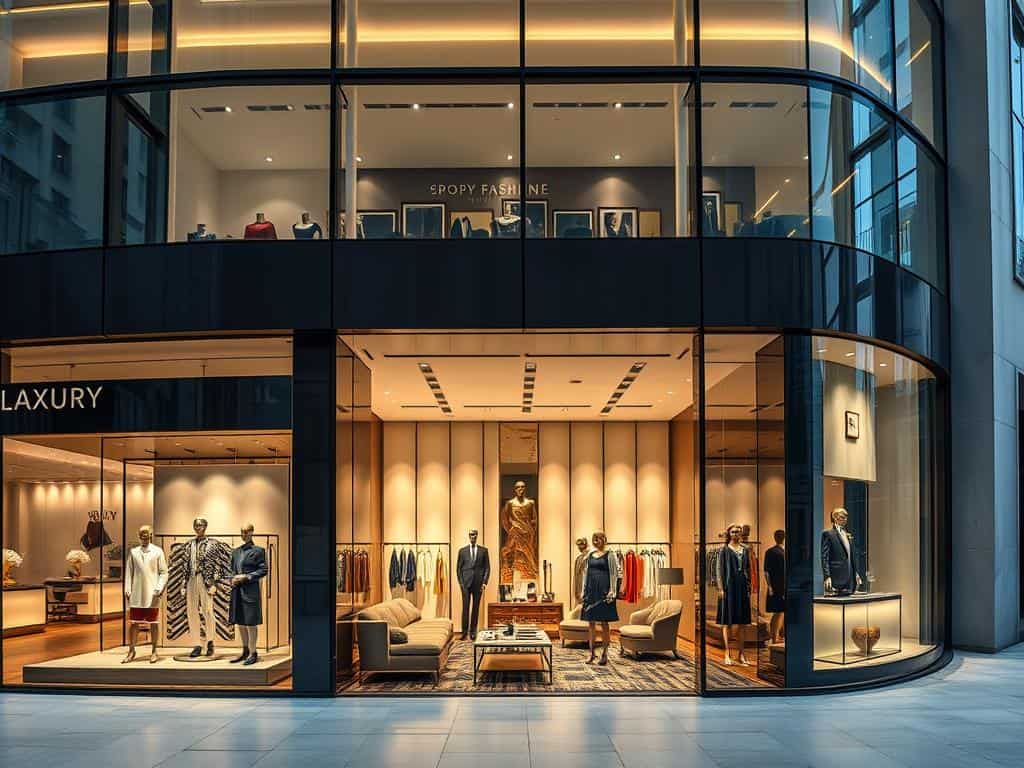
Digital elegance means making luxury brands shine online. For example, Dior has created a stunning online space. It shows off beautiful visuals and content, just like their fancy boutiques. This shows how important a classy online look is for keeping customers interested and loyal.
The Role of Technology in Retail Experiences
Technology is key in selling luxury items. Tools like augmented reality (AR) and virtual showrooms let customers see products in new ways. Ralph Lauren has even added smart mirrors to their stores for a better shopping experience. This tech makes shopping more than just buying something; it’s an adventure.
The Importance of Online Presence
Having a strong online presence is vital today. Connecting with wealthy customers through social media and websites is more important than ever. Bain & Co. says e-commerce could be 32% to 34% of luxury sales by 2030. This shows how much people rely on digital for luxury shopping, making online strategies a must for brands.
Luxury Market Trends Shaping Consumer Preferences
The luxury market is changing fast, thanks to what people want. Now, more than ever, people care about the planet and fair practices. They look for brands that use eco-friendly stuff and make things responsibly.
Companies are starting to go green, showing it’s not just a trend. It’s a must in the world of luxury.
Sustainability and Ethical Practices
Brands like Gucci are using sustainable materials. This makes them popular with people who want to buy wisely. Adding ethical practices makes brands more loyal and appealing to those who care about their money’s impact.
The Rise of Personalization
Personalization is big in luxury now. Brands use data and AI to give customers what they want. Burberry’s Personalization Hub is a great example, giving tailored advice based on what you like.
This makes customers happier and more connected to the brand. It’s all about feeling special.
Experiential Luxury Over Material Possessions
Experiences are more important than stuff, now. Gen Z and others want to feel something real. Brands are making moments that mix online and offline, appealing to the young.
This shift shows luxury is now about feeling, not just owning. It’s a big change in how we see luxury.
Conclusion
The luxury market is changing a lot, thanks to digital transformation, sustainability, and personalization. Rich people now want experiences and brands that match their values. They look for authenticity and transparency.
Brands like Louis Vuitton and Cartier are leading the way. They use blockchain to improve their digital presence. They also focus on being sustainable and socially responsible.
Shopping for local luxury goods is becoming more popular, in places like mainland China and the Americas. This shows a move towards more personal shopping experiences. These experiences are key to staying relevant in the fast-changing luxury industry.
Millennials and Gen Z are becoming the main players in the luxury market. They could make up to 70% of it by 2025. With 64% of luxury buyers caring about sustainability, brands must act fast.
Brands that mix old charm with new ideas will do well. They will thrive in the changing world of luxury retail.