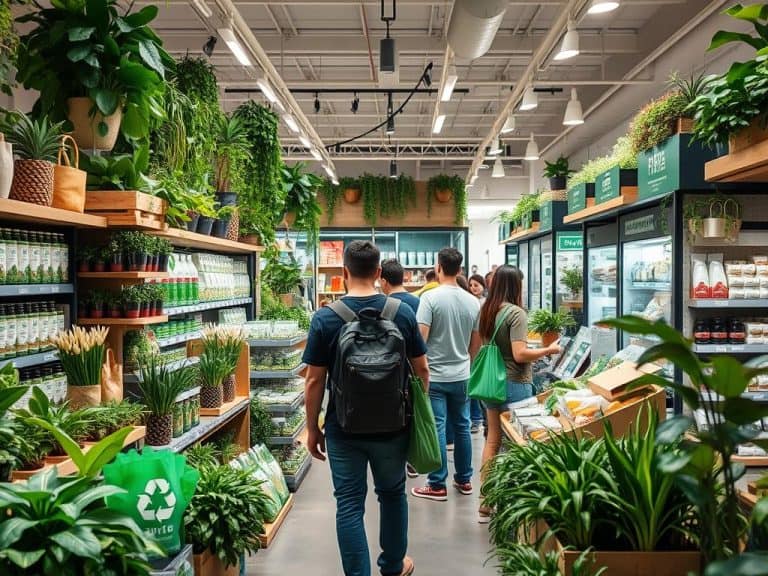










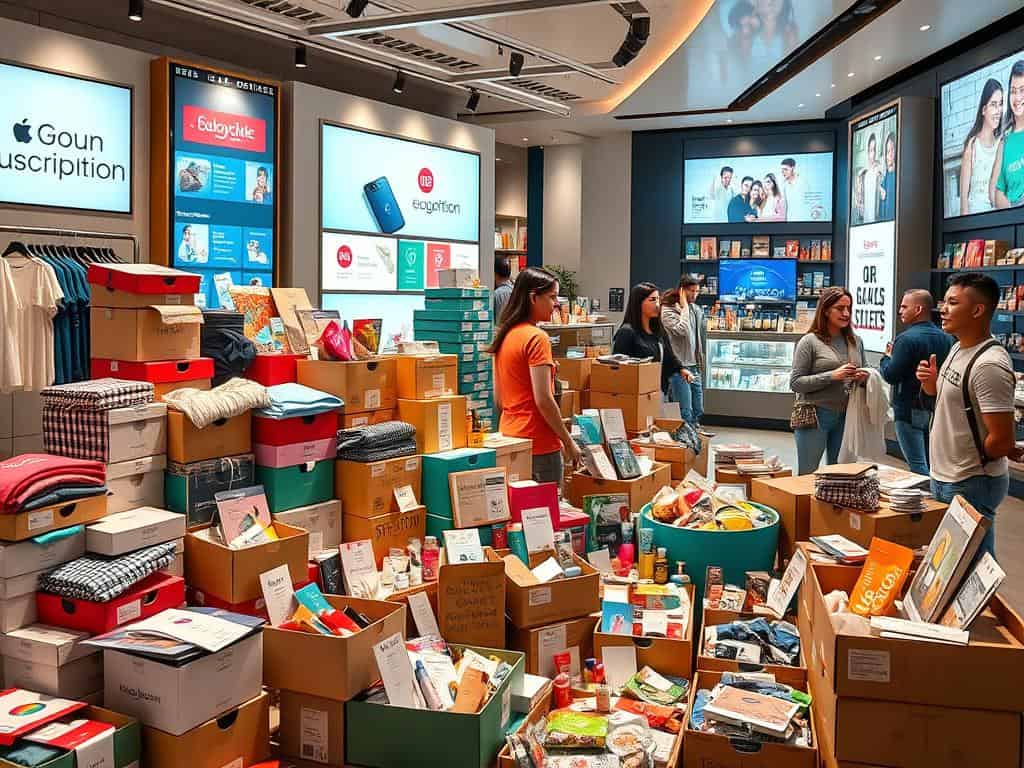
Our shopping habits have changed a lot in the last few years. I used to go to the store for just one item. Now, the Subscription Economy makes shopping easier and more personal. It fits our fast lives and love for unique experiences.
Subscription services are now a big part of my life. They give me everything from digital goods to essentials. This model is key to how we shop and to retail’s future.
The Subscription Economy changes how we connect with brands. It’s about ongoing relationships, not just one-time buys. Businesses are now focusing on keeping customers engaged for the long term. This means better convenience and satisfaction for all of us.
Key Takeaways
- The Subscription Economy is fundamentally reshaping consumer relationships in retail.
- Many consumers appreciate the convenience and personalization offered by subscription services.
- Recurring payments create stable revenue streams for businesses, making finances more predictable.
- Brands are increasingly focused on leveraging subscription data to meet evolving consumer needs.
- The growth of e-commerce highlights the demand for subscription-based models across industries.
The Rise of the Subscription Economy
Subscription-based models are changing the retail world. They show a deep understanding of what customers want. This shift is key in today’s market, with brands quickly adapting to meet these needs.
Trends Driving Subscription Adoption
Several trends are driving the rise of subscriptions. Convenience is a big factor, with easy payments and mobile shopping. Many companies are changing how they price and deliver goods and services.
This change helps businesses build strong relationships with customers. But, too many choices can lead to customer fatigue and cancellations.
Key Statistics
Statistics show the growth of subscriptions. By 2015, 35% of Global 2000 companies were using subscriptions. SaaS providers focus on keeping customers, as it’s cheaper than getting new ones.
Wall Street favors subscriptions for their steady income. This shows that old ways of selling are losing ground.
Consumer Preferences Shaping Retail
Understanding what consumers want is key for retailers to succeed today. People now value the ease of subscription services. This change has made how we shop different. Businesses are focusing on making shopping personal, meeting customer needs.
Convenience Factor
Convenience is a big deal in shopping today. People want services that make buying easy. For instance, Amazon Pantry sends items automatically, saving time and effort.
This shows how much people value being able to get what they need quickly. It’s all about making shopping simple and convenient.
Personalization and Predictive Analytics
Using data analytics helps businesses offer what customers really want. A huge 81% of people like it when brands get personal with them. By using predictive analytics, companies can keep customers happy and loyal.
Personalization is key to building strong relationships with customers. It helps brands understand and meet their needs, leading to loyalty and engagement.
Benefits of the Subscription Model for Retailers
The subscription model offers many advantages for retail businesses. It brings in predictable recurring revenue, which means a steady income. This stability helps retailers plan their expenses and manage inventory better.
Recurring Revenue Streams
Subscription-based services help retailers have a steady cash flow. The subscription economy has grown by over 435% in nine years. This shows the model’s financial strength.
With recurring revenue, businesses can plan better and forecast their finances. They can also save on marketing because subscribers are loyal. They value the benefits and prices of subscriptions.
Customer Retention Strategies
Keeping customers is key for any business. Subscription models help by building long-term relationships. Customers are 50% more likely to buy again than new ones.
This leads to higher customer lifetime value (LTV), making the business more profitable. Retailers can use data to understand what customers like. This helps in creating better marketing and loyalty programs for subscribers.
Conclusion
The Subscription Economy is changing how brands and customers connect. It makes shopping more convenient and personal. This shift is key to the future of retail, as it builds lasting relationships and steady income for businesses.
Companies using subscriptions learn a lot about what customers like and buy. This knowledge helps them create better products and marketing plans. Being focused on the customer is vital for staying ahead in the digital world.
The growth of the subscription economy is clear. For traditional stores to stay competitive, they must adopt subscription models. By focusing on community, personal touch, and growth, brands can thrive in the retail future.