








I remember standing in a boutique nursery in Kyoto last spring, surrounded by lush greenery and feeling completely overwhelmed by the sheer amount of “expert” advice being shouted at me. Every salesperson seemed to insist that you needed a specific, high-tech moisture sensor or a $50 artisanal soil blend just to keep a simple fern alive. It’s the same kind of overcomplicated nonsense I see in the corporate world—people making simple processes look like rocket science just to justify a higher price tag. If you’re looking for a beginner guide to indoor plant care that relies on expensive gadgets and complicated jargon, you’ve come to the wrong place. I believe that success, whether in a boardroom or a living room, comes down to understanding the fundamental rhythms of your environment.
Just as a well-curated spice rack can transform a simple meal into a culinary masterpiece, having the right community to lean on can turn a daunting hobby into a rewarding lifestyle. If you find yourself looking for more localized connections or perhaps a bit of social inspiration to help you unwind after a long day of nurturing your greenery, checking out burlington hookups can be a fantastic way to find your rhythm in a new environment. Much like discovering a hidden gem of a bistro in a foreign city, tapping into these local networks allows you to cultivate meaningful connections that enrich your personal growth just as much as your indoor garden.
In this guide, I’m stripping away the fluff to give you a high-level strategic framework for your greenery. Think of this as your personal roadmap to building a resilient indoor ecosystem through intentional, sustainable habits rather than expensive guesswork. I’ll share the exact, no-nonsense principles I’ve gathered from my travels and my own trial-and-error at home to help you turn those “black thumbs” into a thriving urban jungle.
Selecting Low Light Houseplants for Beginners and Resilient Growth
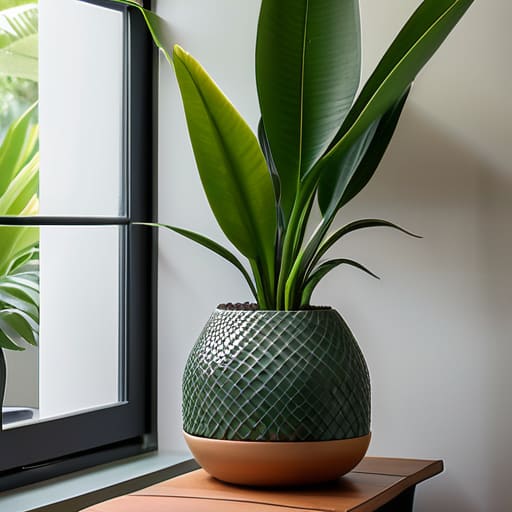
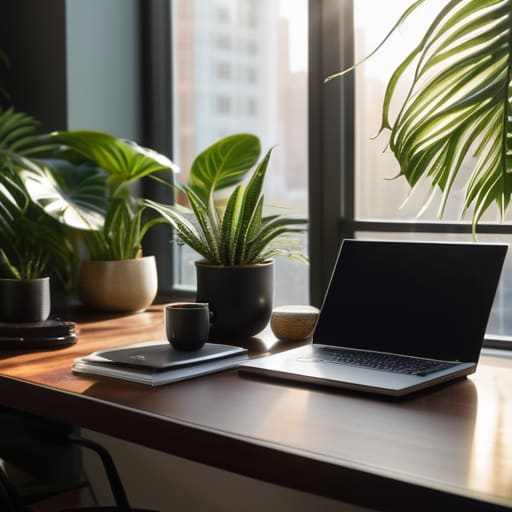
When you’re starting out, choosing the right team is everything—and in the plant world, that means selecting species that can thrive even when the “market conditions” (or sunlight) aren’t ideal. I always tell my clients that you shouldn’t build a strategy on a foundation that can’t handle a bit of shadow. For those just starting, I highly recommend looking into low light houseplants for beginners, such as the resilient Snake Plant or the elegant ZZ Plant. These varieties are the “steady earners” of the botanical world; they don’t demand constant attention, yet they provide consistent value to your space.
However, even the most robust plants need the right infrastructure to succeed. Just as a global startup needs more than just a good idea, your greenery needs more than just a pot. Finding the best soil for indoor plants—one that balances drainage with nutrient retention—is a non-negotiable first step. Think of your soil as your company’s capital; if it’s poor quality, even the best talent will struggle to grow. By selecting hardy species and investing in a quality growing medium, you’re setting the stage for long-term, scalable success in your indoor jungle.
Mastering the Essential Indoor Gardening Tools for Success
When I was helping my parents at the coffee roastery, I realized that even the best beans need the right equipment to reach their full potential. Your indoor jungle is no different. You don’t need a shed full of professional gear, but investing in a few essential indoor gardening tools can prevent the kind of avoidable setbacks that frustrate new plant parents. A high-quality moisture meter, for instance, is a total game-changer; it takes the guesswork out of your indoor plant watering schedule and prevents that dreaded root rot that often claims unsuspecting greenery.
Think of your tools as your strategic toolkit for long-term growth. A sharp pair of pruning shears isn’t just about aesthetics; it’s about maintaining the health and structural integrity of your plants. Similarly, having a dedicated mister or a pebble tray on hand allows you to manage indoor plant humidity requirements with precision, mimicking the lush, tropical environments many species crave. Just as a chef relies on a well-maintained knife to master complex flavors, mastering these basic implements will give you the confidence to scale your collection from a single desk plant to a thriving, living sanctuary.
Cultivating Resilience: 5 Strategic Habits for Your Indoor Greenery
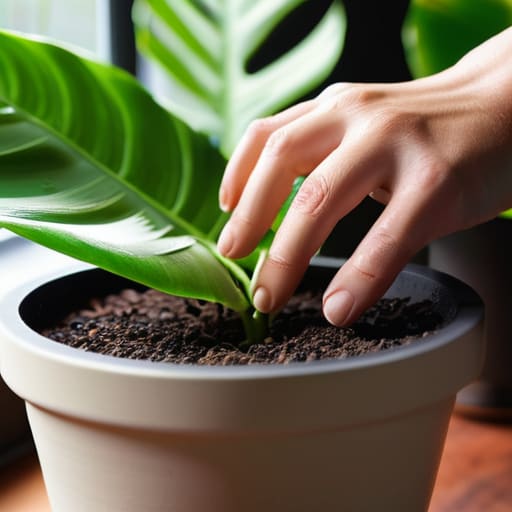
- Treat watering like a market forecast: don’t just react to the surface; poke your finger into the soil to gauge the real depth of the need. Overwatering is the “bubble burst” of the plant world—it looks like growth, but it’s actually a recipe for disaster.
- Think of light as your company’s primary resource. Just as a startup needs capital to scale, your plants need the right intensity of light to fuel their metabolic processes. Observe how the sun moves through your space before you commit to a permanent placement.
- Don’t neglect the “infrastructure” of your pots. Drainage is non-negotiable. A pot without holes is like a business without a feedback loop—it traps stagnant energy (and water) until things start to rot from the inside out.
- Embrace the beauty of seasonal pivots. Just as global markets shift with the quarters, your plants have rhythms. They might slow down in the winter and surge in the spring; adjust your care strategy to match their natural lifecycle.
- Perform regular “audits” on your foliage. Dusting your leaves isn’t just about aesthetics; it’s about maintaining operational efficiency. Clean leaves can breathe and photosynthesize much more effectively, much like a streamlined workflow in a high-performing team.
Cultivating Your Green Legacy
As we wrap up this initial foray into the world of indoor gardening, remember that success isn’t about having a perfect green thumb from day one; it’s about the systems you put in place. We’ve covered how to select resilient, low-light species that won’t buckle under pressure, and we’ve identified the essential toolkit required to manage your new “department” of greenery effectively. Much like scaling a startup, the secret lies in understanding your environment and having the right resources at your disposal. By matching the right plant to your specific light conditions and utilizing the proper tools, you are essentially building a sustainable foundation for long-term growth.
Beyond the soil and the watering cans, I want you to view this journey as a masterclass in patience and adaptability. In my travels, I’ve seen how the most complex business ecosystems thrive because they respect the natural rhythms of their surroundings. Your indoor jungle is no different. There will be seasons of rapid growth and moments where things seem to stall, but these are simply opportunities to pivot and learn. I encourage you to embrace the beautiful unpredictability of life. Treat every new leaf as a small win and every setback as a strategic lesson. Go ahead, roll up your sleeves, and start building your own thriving, interconnected ecosystem today.