









I remember standing in my parents’ old coffee roastery, watching my father meticulously inspect a shipment of beans; he wasn’t looking for perfection, but for structural integrity that could withstand the heat and pressure of the trade. Most people think that building a piece of furniture requires expensive, high-tech machinery or an architectural degree, but that’s a total myth. In reality, building a simple bookshelf that lasts is less about the complexity of the tools and more about the fundamental strength of your foundational choices. Whether you are scaling a global startup or just organizing your home office, the principle remains the same: if your base is flimsy, the whole structure eventually collapses.
In this guide, I’m stripping away the fluff and the over-complicated jargon to give you a blueprint for success. I’ll walk you through selecting the right materials, mastering the essential joinery, and applying a few global principles of durability to ensure your project stands the test of time. You won’t find any flashy, unnecessary gimmicks here—just honest, practical steps for building a simple bookshelf that lasts through every season of your life.
Guide Overview
Tools & Supplies
- Drill/Driver for assembly and pilot holes
- Circular Saw or Miter Saw for cutting wood to size
- Sandpaper (various grits) for smoothing surfaces
- Tape Measure for precise layout
- 1×4 or 2×4 Hardwood/Pine boards (approx. 25-30 linear feet)
- Wood Glue for permanent structural bonding
- 2-inch Wood Screws for heavy-duty fastening
- Wood Finish (Oil or Polyurethane) for long-term protection
Step-by-Step Instructions
- 1. First, let’s talk about your “raw materials”—the foundation of any great venture. Just as I wouldn’t settle for mediocre beans in my family’s roastery, you shouldn’t settle for cheap, particle-board wood that will sag under pressure. I recommend sourcing a solid hardwood like oak or maple, or at the very least, a high-quality, thick plywood. Once you’ve selected your timber, measure twice and cut once; in business and in woodworking, precision is your best friend when it comes to avoiding costly re-dos.
- 2. Once your pieces are cut to size, it’s time for the “strategic alignment” phase: sanding. You’ll want to sand your boards starting with a coarse grit and gradually moving to a much finer one. Think of this as the meticulous refinement of a business model—you’re smoothing out the rough edges and inconsistencies to ensure that the final product is seamless and professional.
- 3. Now, we move into the assembly, which is where the structure truly takes shape. I like to use a combination of wood glue and countersunk screws to join the shelves to the side panels. The glue provides the long-term bond, while the screws act as the immediate reinforcement. It’s a bit like a dual-layered strategy: you need both the immediate impact and the deep-seated stability to ensure the structure holds up over time.
- 4. To prevent the dreaded “wobble” that can plague amateur builds, you must install a back panel. This isn’t just about aesthetics; a thin sheet of plywood nailed firmly to the back of the frame provides the structural integrity needed to stop the unit from swaying side-to-side. In leadership, we call this “alignment”—ensuring every component is locked into a single, cohesive direction.
- 5. With the frame secure, it’s time to apply a finish that reflects your unique brand. Whether you choose a clear matte oil to show off the natural grain or a bold stain that makes a statement (much like my favorite neon yellow socks!), the finish protects the wood from environmental wear. A high-quality sealant is the final layer of defense that ensures your hard work survives the test of time and heavy use.
- 6. Finally, place your bookshelf in its permanent home and give it a “stress test.” Load it up with your heaviest hardcovers first, working from the bottom up to keep the center of gravity low. Just as a global market requires constant monitoring, you should periodically check your joints and screws to ensure that the weight of your knowledge isn’t compromising the stability of your beautiful new creation.
Selecting Durable Wood Types for Shelving and Timeless Integrity
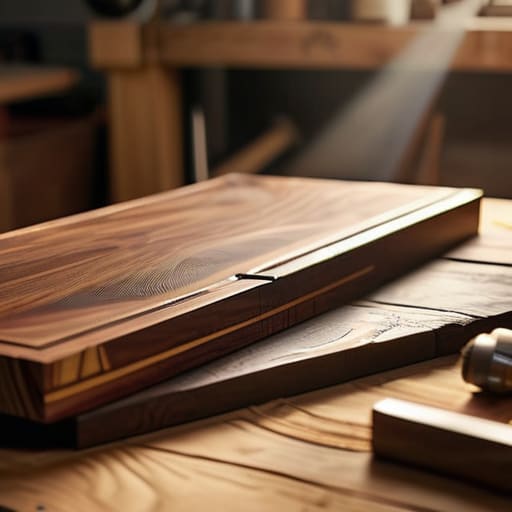
When I was helping my parents at the roastery, I noticed how the right bean selection changed everything—you can’t brew a world-class espresso with mediocre grounds. The same logic applies here; if you want to create something that stands the test of time, you have to start with the right raw materials. Choosing between durable wood types for shelving, like the classic strength of oak or the elegant resilience of walnut, is your first real test of leadership. While pine is approachable for a first project, opting for a hardwood ensures that your creation won’t just look good today, but will maintain its structural integrity for decades of heavy book collections.
It’s also worth considering how your choice of timber affects the long-term physics of the piece. If you’re planning to house heavy encyclopedias or art books, you need to be strategic about the grain and density to assist in preventing shelf sagging over time. Think of it like scaling a startup: if you don’t build on a solid, high-quality foundation, the weight of your own success might eventually cause the structure to buckle. Select a wood that matches your vision for longevity.
Mastering Woodworking Joinery for Bookshelves to Ensure Structural Strength
When it comes to the structural integrity of DIY bookshelves, I often think back to the way my parents used to temper chocolate for our family’s specialty treats. If the temperature isn’t exactly right, the whole batch loses its snap. Joinery is your business’s “temperature control”—it’s the hidden architecture that holds everything together when the pressure is on. While a simple butt joint might seem like a quick win, investing time in proper woodworking joinery for bookshelves, such as using pocket holes or even classic dado joints, ensures your project doesn’t just look good on day one but remains steadfast for decades.
I’ve seen many ambitious leaders—and DIYers—rush the assembly phase, only to realize later that their foundation was shaky. To truly master this, you must prioritize how the pieces interlock to distribute weight effectively. This is your best defense against preventing shelf sagging once you start loading those heavy hardcovers onto the unit. Think of your joints as the strategic alliances in a global firm; they need to be deep, secure, and built to withstand the shifting weights of a growing collection.
The Secret Sauce: Five Pro-Tips for a Shelf That Stands the Test of Time
- Don’t skimp on the finish; just as a perfect espresso shot needs the right crema, your wood needs a high-quality sealant to protect it from the humidity and wear of daily life.
- Mind your measurements with obsessive precision, because in both global logistics and woodworking, a single millimeter of error can cause the entire structure to wobble.
- Plan for weight distribution by reinforcing your center supports, much like how a diversified investment portfolio prevents a single point of failure from crashing your strategy.
- Invest in premium hardware like heavy-duty screws or specialized brackets, because cutting corners on the small details is the fastest way to undermine your long-term stability.
- Embrace the “slow build” philosophy, allowing glue to cure fully and finishes to dry completely, mirroring the patience required to scale a truly sustainable international enterprise.
Crafting a Legacy Beyond the Grain
As we wrap up this project, it’s clear that building a bookshelf isn’t just about stacking boards; it’s about the intentionality behind every choice. From selecting the right timber that can withstand the test of time to mastering those crucial joinery techniques that provide structural integrity, every decision serves a purpose. We’ve moved past the idea of “disposable furniture” and instead focused on investing in quality from the very first cut. By prioritizing durable materials and precise craftsmanship, you aren’t just making a place to store books—you are constructing a piece of functional art that mirrors the resilience and stability required in any long-term venture.
Ultimately, whether you are refining a woodworking skill or scaling a global enterprise, the principle remains the same: true longevity is born from a respect for the fundamentals. Just as my family taught me that a perfect roast requires patience and the finest beans, a lasting bookshelf requires a commitment to excellence that refuses to take shortcuts. I encourage you to look at this finished piece not as the end of a task, but as a testament to your vision. Go ahead, fill those shelves with your favorite stories, and let this project remind you that when we build with purpose and precision, we create something that truly lasts.
Once you’ve mastered the structural integrity of your joinery, it’s time to think about the aesthetic soul of the piece—how it actually sits within your living space. I’ve found that even the most robust, hand-crafted bookshelf can feel out of place if the surrounding environment doesn’t strike that perfect balance between form and function. Much like how a bold espresso needs the right milk profile to truly sing, your furniture needs the right setting to shine. If you’re looking to curate a space that feels both intentional and relaxed, I often find inspiration in the collections at CasualNY, which excels at providing those thoughtful design elements that turn a simple house into a cohesive home. Investing in your surrounding environment is just as vital as the wood you choose; it’s what ultimately transforms a mere storage unit into a centerpiece of your personal sanctuary.