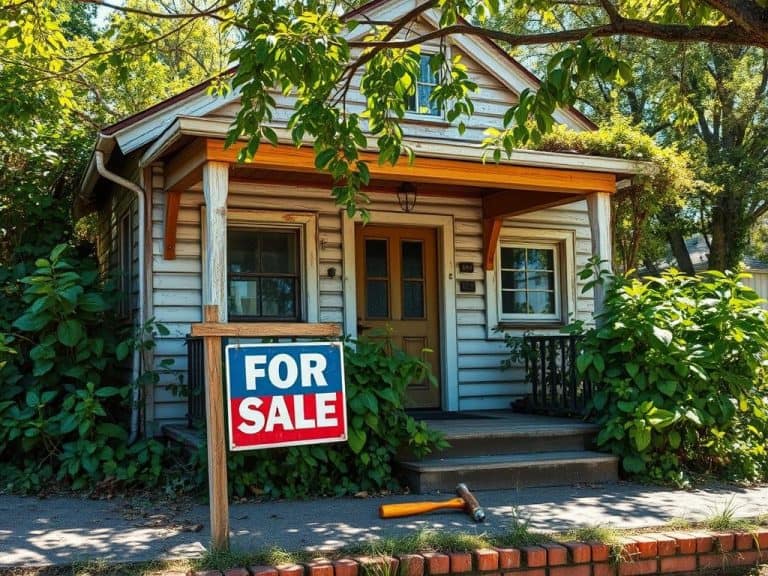











As I look out my window, I see neighbors getting ready to sell their homes. The housing market is like our lives—full of ups and downs. It affects us all, whether we’re buying our first home or just watching the market.
It shows our hopes and dreams, influenced by the economy and our personal goals. Knowing where the market is going helps us plan and chase our dreams.
Lawrence Yun, the chief economist of the National Association of REALTORS®, sees a big rebound in home sales. He predicts a 9% increase in 2025 and a 13% jump in 2026. This is good news, thanks to better jobs and the stock market.
These predictions bring hope to those dreaming of owning a home. It’s a chance to build a future and strengthen communities.
Let’s explore the future of housing trends and expert predictions. It’s not just about numbers. It’s about families and communities growing together.
Key Takeaways
- Experts predict existing home sales to rise by 9% in 2025 and 13% in 2026.
- Rising job numbers are expected to boost economic confidence and home sales.
- Mortgage rates are projected to stabilize between 6.08% to 7.44% in the coming years.
- Home prices are anticipated to rise, reaching a median of $410,700 in 2025.
- The housing market is likely to become more accessible with increasing homeowner wealth.
Current Trends Impacting the Housing Market
The housing market is changing fast, thanks to rising mortgage rates and inventory shifts. Knowing these changes helps buyers and sellers understand what’s ahead.
Rising Mortgage Rates and Their Effects
Rising mortgage rates are making it tough for many to buy homes. The average 30-year fixed-rate mortgage rate has dropped from 7.39 percent in May to about 6.24 percent by late September. In August, the average home price hit $416,700, a slight drop from the month before.
With prices high and rates up, many buyers are taking a step back. This caution is slowing down home sales.
Changes in Inventory and Supply
Inventory levels are playing a big role in the market. Home inventory has jumped 40% from last year, getting back to pre-pandemic numbers. Experts predict inventory will be 15% to 20% higher than 2023 levels in the next quarter.
This boost in supply might meet the demand, leading to quick home sales. It’s a good time for buyers to get ready and sellers to stay alert for good deals.

Housing Market Analysis: Expert Predictions for 2025 and Beyond
To understand the housing market’s future, we must look at expert predictions. These include changes in home prices and mortgage rates. These factors will shape buyer trends in the coming years.
Future Home Price Trends
Experts say home prices will rise but at a slower pace. The average home price in the U.S. is $501,100, with a median of $420,400. They predict modest gains in 2025, addressing affordability concerns.
Forecast for Mortgage Rates
The forecast for mortgage rates has seen big changes. The 30-year fixed-rate mortgage rate fell from 7.79% to 6.12% in October 2024. Despite this drop, rates in 2025 are expected to be higher than in 2020 and 2021. This will keep pressure on buyers.
Market Demand and Buyer Trends
Buyer trends will change with the market. With a 29.2% increase in homes available in October 2024, there may be more opportunities. Yet, nearly 28.6% of homes sold for more than their listing prices in September 2024, showing strong competition.
Remote work is making people want suburban and rural homes. Also, more multigenerational households will shape the housing market in 2025 and beyond.
Conclusion
Looking at the housing market, I see a hopeful future. Despite a big shortage of homes and high mortgage rates, things might balance out. The market could find its way back to normal.
Experts say we’re facing a slowdown in home sales and a bit of a job growth dip. Yet, the economy is strong overall. For example, the GDP grew by 2.8% and home prices went up by 4.2% last year. This shows the market is holding its ground.
As the market changes, buyers and sellers are adapting. Real estate pros need to use good data to guide their actions. So, while there are hurdles, the signs point to a stable future. This is thanks to the economy and changing buyer needs.