









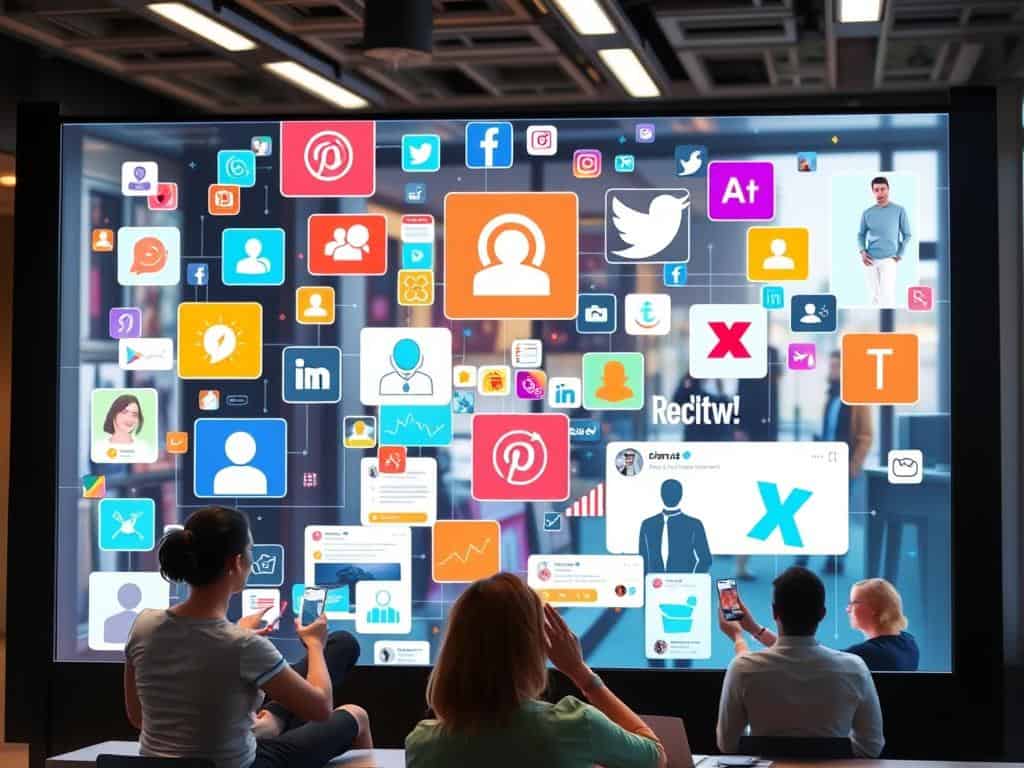
As I scroll through my social media, I feel a deep connection to influencers. They shape my online world with their curated lives and real voices. They don’t just sell products; they inspire and build communities.
In a world where Gen Z values authenticity, influencer marketing is key. It’s not just a trend; it’s essential for brands to connect with audiences. The field is constantly changing, introducing new ways to see advertising and consumer relationships.
Key Takeaways
- Authenticity is increasingly important, with Gen Z valuing it highly.
- Influencers play a big role in what we buy, with nearly half of consumers influenced by them each month.
- Brands are now looking for long-term partnerships with influencers, not just one-time deals.
- Micro and nano-influencers are popular with 40% of consumers for their relatable content.
- AI tools are becoming vital for measuring the return on investment in influencer marketing.
Emergence of Authenticity in Influencer Marketing
In the world of influencer marketing, being real is key. People want to connect with brands in a genuine way. This means brands must change how they market to fit what influencers and their followers value.
The Shifting Importance of Authenticity
More than 60% of people prefer buying from brands they trust. Millennials, in particular, trust their friends’ opinions over ads. This shows how important being real is in today’s market.
Marketers know this too. They see influencers as vital for making their brands seem authentic. This helps build trust with consumers.
Long-Term Partnerships Over One-Off Collaborations
Nowadays, brands are focusing on lasting partnerships with influencers. These partnerships are built on shared values. This approach helps build trust with consumers.
Research shows that 67% of people value authenticity when choosing brands. Brands that stick to long-term partnerships are seen as more original and creative. This is key in a world where people crave real content on social media.
Innovation in Social Commerce
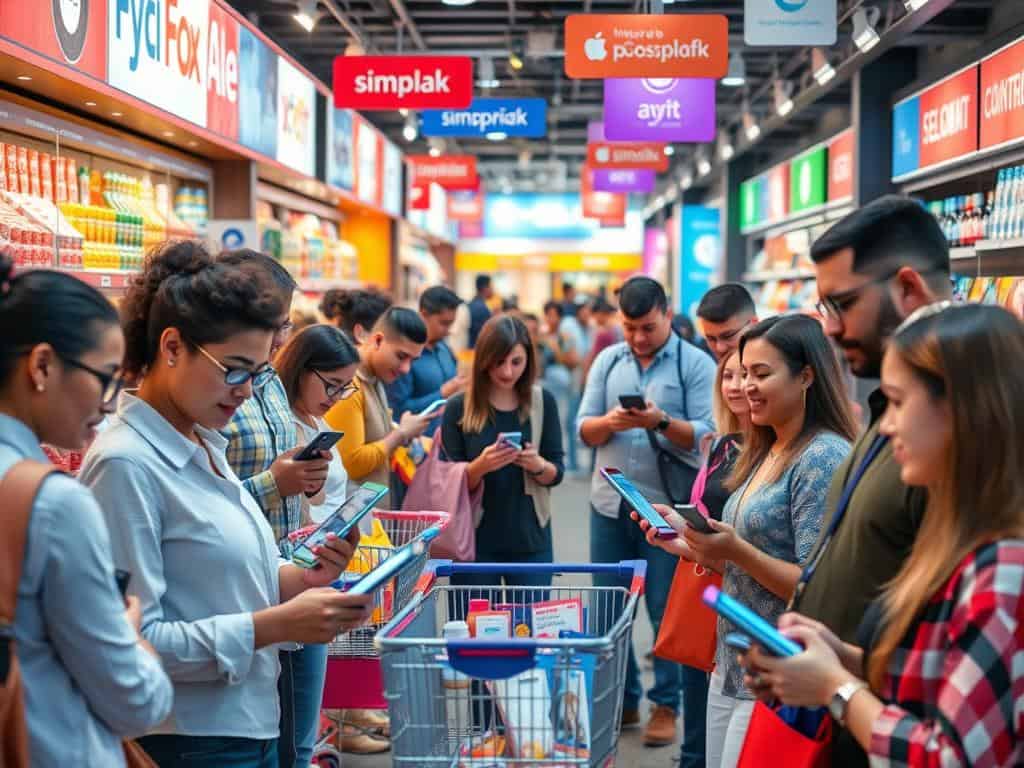
Social commerce is changing how brands talk to customers. It’s making shopping more fun and interactive. Now, people are shopping more on social media, and platforms are adding new features to help.
In-app shopping is key in marketing. It brings more people to websites and helps sell more. This is a big win for brands.
The Power of In-App Shopping Experiences
Social commerce is set to hit $1.7 trillion by 2024. In-app shopping is a big part of this. About 30% of U.S. social media users buy things because of influencers.
This shows that content made just for one place works better than the same thing everywhere. Brands that use new features like shoppable posts and ads do better. They make shopping a better experience for everyone.
Live Shopping as a Trendsetter
Live shopping is a big deal in social commerce. It offers a special way to shop that lets people talk to influencers in real time. This makes shopping more fun and personal.
Using live streams helps brands show off products and answer questions right away. It makes shopping feel more real and personal. With new tech like AI and augmented reality, live shopping is getting even better.
Influencer Marketing Trends Across Industries
Influencer marketing is changing in many fields, each with its own needs and plans. The food and drink world loves to tell stories with pictures. Niche influencers are also becoming key in making personal connections with people.
Trends in Food and Beverage Influencer Marketing
In the food and drink world, pictures are very important for getting people’s attention. This area has a high engagement rate of 1.19% with food influencers. Brands like Nutella use influencers to share yummy recipes, making real connections with their fans.
This approach fits with bigger trends in influencer marketing. Marketers focus on making content that looks good to grab followers’ interest.
Growing Popularity of Niche Influencer Marketing
Niche influencers are becoming more popular for reaching specific groups of people. A survey showed 40% of people like talking to micro and nano-influencers, showing they’re good at building loyalty. This trend shows how important it is to match influencer partnerships with industry standards.
By focusing on building a community, not just reaching many people, brands can get more involved audiences. This leads to more sales because of shared values and connections. With influencer marketing expected to hit $24 billion by 2024, using niche influencers is a smart move for brands wanting to connect deeply with certain markets.
Conclusion
Looking back at influencer marketing trends, authenticity stands out. Today’s young people want real connections with brands. This shows they value lasting partnerships over quick collaborations.
By building strong relationships with influencers, brands can connect deeply with their audience. This approach creates meaningful interactions that people remember.
The growth of social commerce and niche influencers offers new chances for brands. They must keep innovating to use these trends well. Influencers are key, boosting brand visibility and building trust with consumers.
It’s clear that marketers must adapt to stay relevant. They need to focus on authenticity, lasting partnerships, and social commerce. Brands that succeed will keep working with influencers and update their strategies for the digital world.