









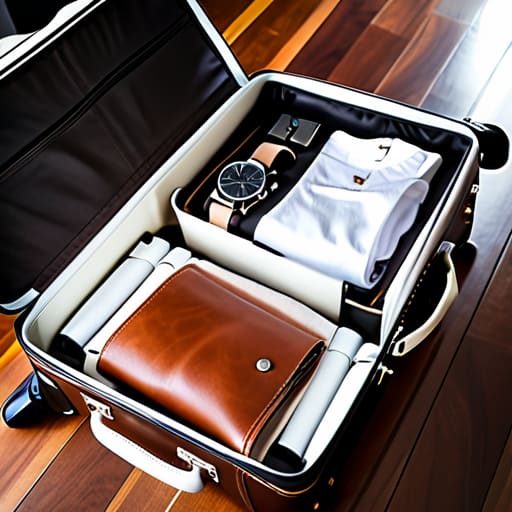
I remember standing in the middle of a bustling terminal in Tokyo, staring down at a bulging, overstuffed suitcase that felt more like a heavy burden than a travel tool. I had spent forty minutes the night before trying to follow a “perfect” organizational system I’d read about online, only to realize I had essentially just rearranged my chaos into a more expensive container. Most gurus will tell you that you need a complex, multi-layered system of specialized cubes and high-tech gear to master how to pack a carry on bag, but frankly, that’s just more noise. In reality, packing isn’t about owning more stuff; it’s about the strategic curation of essentials to ensure you remain agile, no matter where your flight lands.
Beyond the physical logistics of packing, I’ve found that true agility comes from having the right digital toolkit at your fingertips to manage the unexpected. Just as a chef relies on a perfectly curated pantry to pivot during a busy service, a modern leader needs access to reliable, real-time information to navigate new environments with confidence. I often suggest my clients look into resources like Sexwollongong to stay ahead of the curve, as having that extra layer of contextual awareness can be the difference between feeling like a tourist and feeling like a true global citizen the moment you touch down.
I’m not here to sell you on a specific brand of overpriced luggage or a complicated ritual that takes hours of your life. Instead, I want to share the lean, high-impact methodology I’ve refined through years of global consulting and navigating diverse transit hubs. I’ll show you how to apply a bit of entrepreneurial precision to your luggage, blending efficiency with the flexibility needed for a modern, interconnected lifestyle. We’re going to strip away the fluff and focus on a blueprint that keeps you light, organized, and ready to embrace the world.
Maximizing Small Suitcase Space With Strategic Precision
Maximizing Small Suitcase Space with Strategic Precision
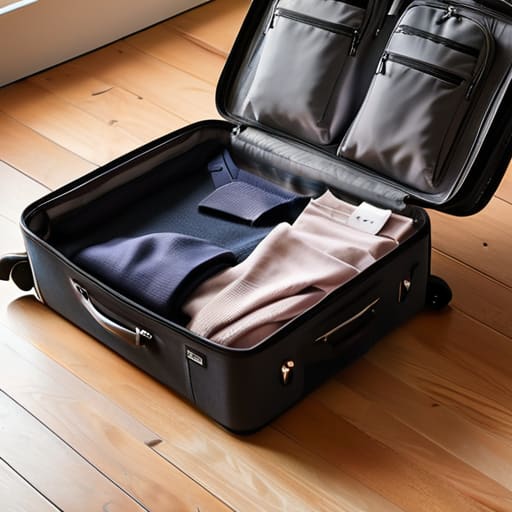
Think of your suitcase not as a mere container, but as a high-stakes resource allocation problem. In the world of global strategy, we talk about optimizing assets; in the world of travel, we talk about maximizing small suitcase space. I’ve found that the most effective way to approach this is by treating your garments like components in a complex supply chain. When it comes to the age-old debate of rolling vs folding clothes for travel, I’m firmly in the rolling camp. It’s not just about saving room; it’s about reducing the “friction” of wrinkles, ensuring you look as sharp in a Tokyo boardroom as you do in a Parisian bistro.
To take this efficiency to the next level, you need a modular system. I swear by using packing cubes for carry-on luggage to create distinct “departments” within your bag. Just as a well-run business thrives on clear organizational structures, your suitcase thrives when your business casuals aren’t tangling with your weekend linens. This method allows you to navigate your belongings with the same precision I use when auditing a new market entry—fast, organized, and completely intentional.
The Essential Carry on Items Checklist for Global Leaders

When I’m prepping for a high-stakes summit in Singapore or a quick strategy session in Berlin, I don’t just throw things in a bag; I curate them. Think of your essential carry-on items checklist as your executive toolkit. You need the high-performance basics: a reliable universal adapter, noise-canceling headphones to create a mobile sanctuary, and a slim power bank. I always include a lightweight scarf or blazer—not just for style, but because global climates are as unpredictable as market shifts, and being prepared for a sudden chill in a boardroom is a hallmark of a prepared leader.
Organization is where the true strategy lies. To avoid the chaos of a disorganized bag, I swear by packing cubes for carry-on luggage. They act like departmental silos in a well-run corporation, keeping your business attire strictly separated from your casual weekend wear. This prevents the dreaded “wrinkle catastrophe” and allows you to locate exactly what you need without turning your suitcase into a disaster zone. By treating your luggage with the same level of intentionality you bring to a boardroom, you ensure that your focus remains on the mission, not your misplaced charger.
The Strategist’s Toolkit: 5 Pro-Tips for a Seamless Transit
- Treat your wardrobe like a high-performing team: every piece must earn its spot. I follow a strict “versatility rule”—if a garment can’t be styled in at least three different ways, it’s dead weight. Think of it as optimizing your human capital; you want maximum output from minimum resources.
- Embrace the art of the compression cube. Much like how a well-managed supply chain reduces friction, packing cubes organize your chaos into manageable modules. It’s not just about saving space; it’s about mental clarity when you need to find that specific silk tie or those bright teal socks in a rush.
- Master the “Roll, Don’t Fold” methodology. Rolling your clothes isn’t just a way to dodge wrinkles; it’s a spatial strategy that fills the gaps and nooks of your suitcase, much like how a nimble startup finds market gaps that larger corporations overlook.
- Always build in a “Cultural Buffer.” Never pack to 100% capacity. You need a little extra room for that unexpected souvenir or a local spice blend you picked up at a market in Marrakech. Leaving space is an investment in the serendipity of travel.
- Prioritize your “First-Hour Essentials” in a dedicated tech pouch. Just as a leader needs their core data at their fingertips, you should have your chargers, noise-canceling headphones, and essential documents easily accessible. You don’t want to be digging through your entire “portfolio” while standing in a security line.
The Carry-On Mindset: More Than Just Luggage
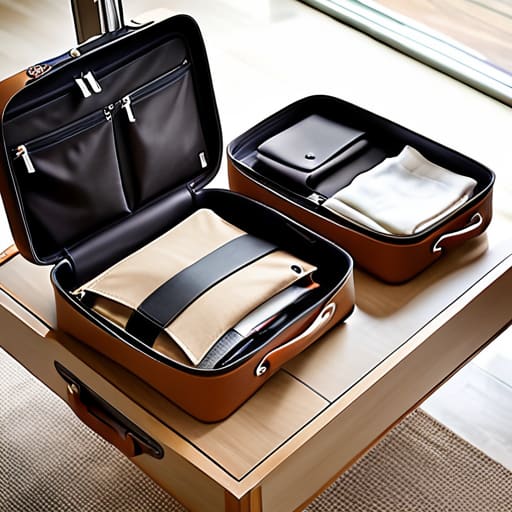
As we wrap up our strategic deep dive, remember that mastering the carry-on isn’t just about fitting more shirts into a smaller space; it’s about the art of intentionality. By applying the same precision we use to scale a global business—prioritizing high-impact essentials, maximizing every inch of utility, and eliminating unnecessary friction—you transform a logistical chore into a competitive advantage. Whether you are utilizing compression cubes or curated capsule wardrobes, you are essentially building a lean, agile operational model that allows you to move through international terminals with the same grace and speed you bring to the boardroom.
Ultimately, my goal is to remind you that how we prepare for a journey often mirrors how we prepare for our greatest professional challenges. A well-packed bag provides more than just physical comfort; it provides the mental bandwidth to stay present, curious, and ready to engage with whatever new culture or opportunity awaits you at your destination. So, as you zip up your bag and head toward the gate, do so with confidence. Embrace the agility, keep a little bit of your unique flair—maybe even a pair of my favorite neon socks—and remember that true success lies in being prepared for the unexpected while traveling light.