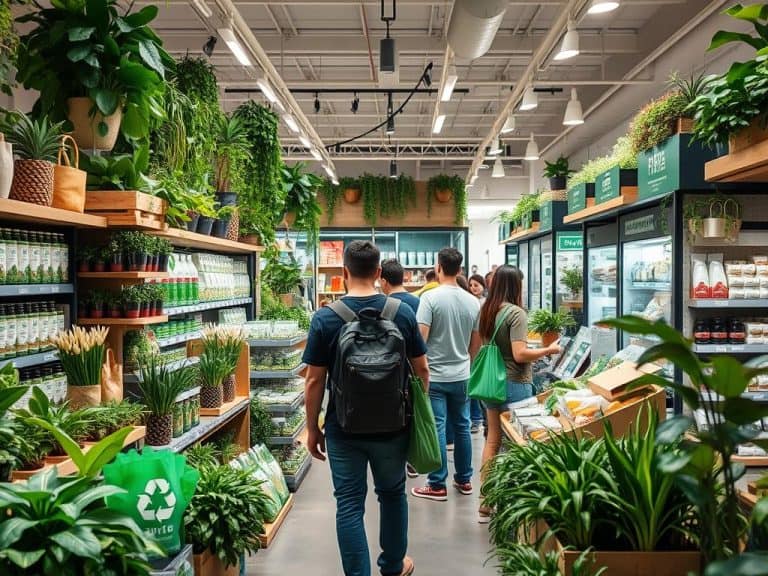











I’ve seen a big change in how businesses work. Sustainability is now key for success, not just a trend. The year 2023 was the warmest ever, showing we need to act fast.
Companies are now seeing that being green is important. It affects how profitable they are and how people see their brand. This change is because more people want eco-friendly products and investors want companies to be responsible.
There are more rules now to make companies be open about their impact. This means they have to show how they affect the planet and people. Being green is not just about following rules; it opens up new chances and saves money.
The EU’s new rules on sustainability start in 2024. Many board members think ESG is key for a sustainable future. This shows a big change in how business works.
This change is good for the planet and for business. How we handle this change will shape our future. It will affect our companies, economies, and communities.
Key Takeaways
- The year 2023 was the warmest on record, intensifying demands for decarbonization.
- Companies face low worker engagement post-COVID-19, necessitating sustainable human capital strategies.
- Most investors are integrating ESG practices despite challenges, seeing sustainability as vital to success.
- About 64% of consumers express significant concern over sustainability, influencing market expectations.
- Compliance is evolving into a holistic commitment to sustainability across corporate strategies.
- Technological advancements are helping businesses manage ESG data effectively and increase sustainable performance.
Understanding the Importance of Sustainability in Business
The focus on sustainability in business has grown a lot in recent years. This change comes from more people wanting eco-friendly options. As people care more about the planet, companies must change to meet these needs.
It’s key for businesses to understand how consumer wants and corporate duties work together. This helps them succeed in today’s market.
Rising Consumer Demand for Eco-Friendly Practices
Studies show a big change in how people shop. For example, 62% of shoppers are ready to buy differently to help the environment. This shows a clear need for companies to go green.
About 73% of global buyers want to buy less harmfully to the planet. The rise in sales of green products, up by nearly 20% from 2014, highlights the importance of sustainability. Businesses must focus on green marketing and product development.
Corporate Responsibility and Investor Pressure
Corporate responsibility is more important now, with investors also playing a big role. Investors want to know how companies affect the environment. Companies with good ESG ratings often do better over time.
Knowing that being green boosts customer loyalty is key. 77% of retail and consumer product executives see sustainability’s role in keeping customers happy. This pushes companies to make green practices a core part of their business. They must meet both consumer and investor demands.
Sustainability in Business: Key Trends for 2024
As we step into 2024, the world of business sustainability is changing. I’ve seen important trends that affect how companies work. These trends are about climate change, biodiversity, and making supply chains more sustainable. Companies are now trying new ways to be green, aiming to lead in sustainability.
Climate Change and Decarbonization Efforts
Businesses are focusing on climate change more than ever. They’re working hard to cut down on carbon emissions. This includes looking at indirect emissions in their supply chains.
This approach helps the planet and makes businesses more efficient. It’s a big step towards a greener future.
Increasing Importance of Biodiversity and Natural Systems
Biodiversity is becoming a key part of business plans. Companies see how important healthy ecosystems are for their success. They’re starting to use regenerative agriculture to improve soil and support biodiversity.
This shows their dedication to being sustainable. It’s good for the environment and the communities they serve.
Sustainable Supply Chains and Circular Economy Approaches
The demand for sustainable supply chains is changing how businesses operate. Companies are moving towards circular economy models. These models aim to reduce waste and make products last longer.
By adopting sustainable practices, businesses can offer eco-friendly products. This gives them an edge in the market.
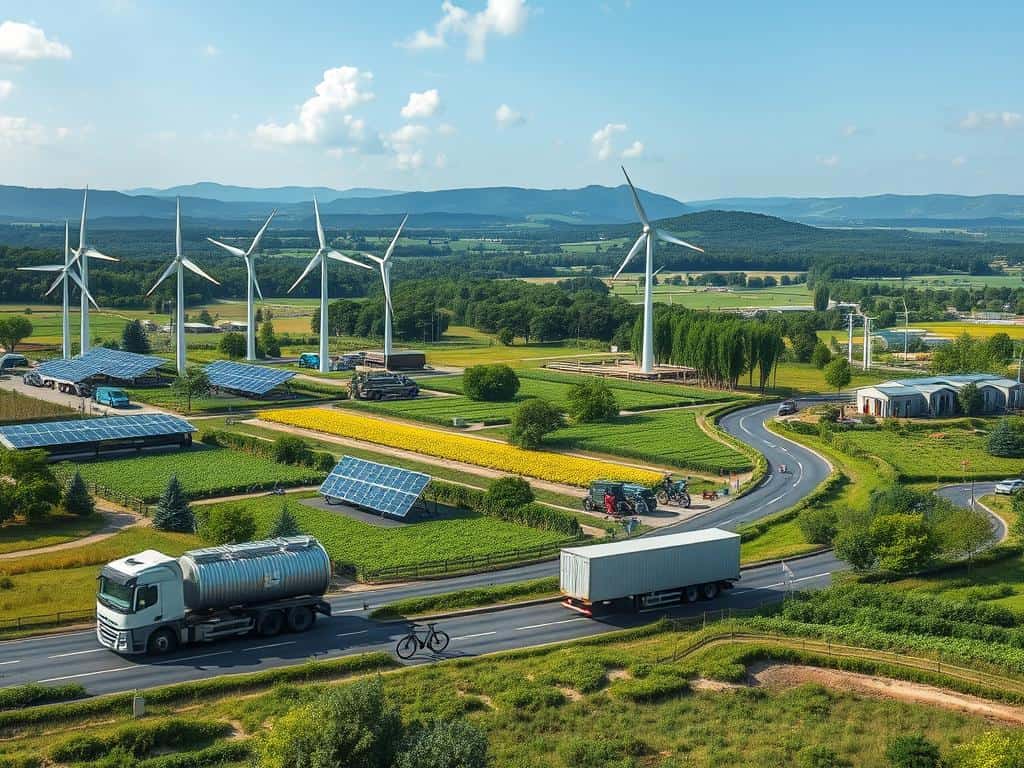
Challenges and Opportunities for Organizations
Organizations face both challenges and opportunities as they aim for true sustainability. Many see ESG as key to long-term success, with 85% of businesses valuing it highly. Yet, barriers like compliance and financial costs are common. For example, 70% find high investment levels a big obstacle.
Integrating ESG Into Business Strategies
Integrating ESG into business strategies is more than just following rules. It’s about real sustainability. While 55% of companies make sustainability a part of their decisions, many lack board-level expertise. Only 37% of boards understand sustainability well.
Strong leadership and employee engagement are vital. They help create a culture that values sustainability in all operations.
Compliance vs. Genuine Sustainability
Companies often struggle to balance compliance with real sustainability goals. While following global rules is important, just focusing on them can harm future success. Companies that only report ESG to meet minimum standards risk losing US$178 trillion by 2070.
Being proactive and transparent, like in supply chains, is key. It helps avoid being accused of greenwashing.
Technological Innovations to Support Sustainability Goals
New technologies can greatly help in achieving sustainability. Investing in better data tools lets companies track progress and risks. Sharing data with suppliers boosts transparency and ensures eco-friendly practices.
Adopting clean energy and circular economy models is essential. Technology helps in being more efficient and reducing waste. It’s a big step towards achieving sustainability goals.
Conclusion
The focus on sustainability trends is changing how I run my business. As we move into 2024, making eco-friendly choices will be more important than ever. Consumers want more from brands, and companies face pressure from investors, regulators, and society to go green.
Those who meet these expectations will lead the way. It’s clear that companies that focus on sustainability will thrive.
In the U.S., many consumers are willing to pay more for sustainable products. This shows that being green can also be profitable. Plus, companies that focus on sustainability see better employee productivity and happiness.
This leads to a more engaged team. Companies that care about the planet not only do better but also create lasting value.
My organization will have to make eco-friendly choices because of laws and market needs. I see sustainability plans as key tools for a greener future. The future holds financial gains and a positive impact on society and the planet.