











As I sat in my parents’ coffee roastery, surrounded by the aromas of exotic beans from around the world, I realized that the key to how to successfully complete a low-buy or no-buy year lies not in deprivation, but in intention. So often, we’re led to believe that embracing a low-buy or no-buy year means sacrificing the things that bring us joy, but I’ve found that it’s quite the opposite. By being more mindful of our purchases, we can actually savor the flavor of our lives more fully.
In this article, I’ll share my personal story of navigating a low-buy year, including the practical strategies that helped me stay on track. You’ll learn how to identify your spending triggers, create a budget that actually works for you, and cultivate a mindset of abundance, rather than scarcity. My goal is to provide you with honest, no-hype advice that will empower you to take control of your finances and make intentional choices that align with your values. By the end of this journey, you’ll be equipped with the tools and inspiration you need to thrive in a low-buy or no-buy year, and discover a more fulfilling relationship with money and the things that truly bring you joy.
Table of Contents
Guide Overview: What You'll Need
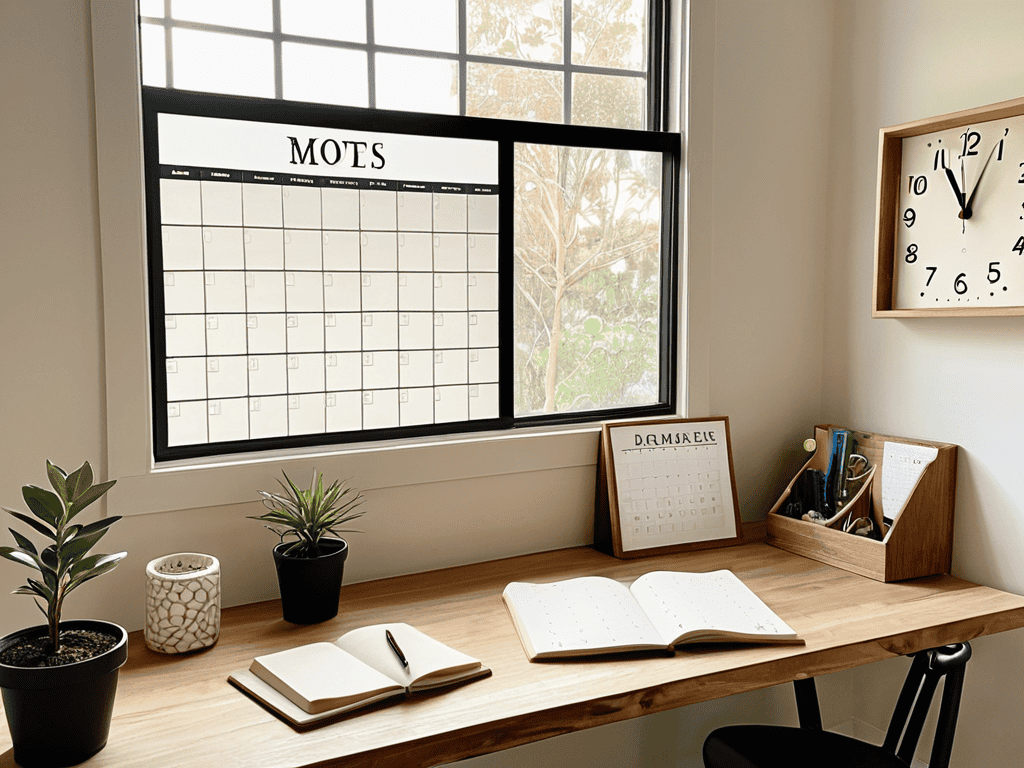
Total Time: 1 year
Estimated Cost: $0 – $100
Difficulty Level: Hard
Tools Required
- Budgeting Software (e.g., spreadsheet or app)
- Calendar (to track progress)
- Journal (for reflection and planning)
Supplies & Materials
- Envelopes (for cash budgeting)
- Pens and Pencils (for tracking expenses)
- Paper Clips (for organizing receipts)
Step-by-Step Instructions
- 1. First, let’s get real about what a low-buy or no-buy year entails – it’s not just about cutting back on expenses, but also about being intentional with your purchases. To start, take a close look at your current spending habits and identify areas where you can cut back without feeling too deprived. For me, it’s about finding that perfect cup of coffee, and I’ve learned that exploring different roasts can be a fun and cost-effective way to treat myself.
- 2. Next, set clear financial goals for yourself, whether it’s paying off debt, building up your savings, or simply freeing up more money for the things that truly matter to you. I like to think of it as investing in experiences, like trying out a new restaurant or taking a cooking class to learn about different international cuisines. Having a clear idea of what you want to achieve will help you stay motivated throughout the year.
- 3. Now, it’s time to track your expenses and get a handle on where your money is going. I recommend using a budgeting app or spreadsheet to make it easier to stay on top of your spending. Be sure to categorize your expenses into needs (like rent and utilities) and wants (like dining out or entertainment), so you can see where you can make adjustments. As someone who loves to explore new flavors, I’ve found that cooking at home can be a great way to save money while still enjoying delicious meals.
- 4. The next step is to create a budget plan that works for you. This might involve allocating a certain amount each month for discretionary spending, or finding ways to reduce your expenses in areas like housing or transportation. For example, I’ve started carpooling with friends to reduce my commute costs, and we often use the time to discuss our favorite global cuisine spots. Remember, the key is to be flexible and make adjustments as needed.
- 5. One of the most important things to keep in mind when embarking on a low-buy or no-buy year is the importance of community support. Share your goals with friends and family, and consider finding an accountability partner to help keep you on track. I’ve found that hosting dinner parties with friends can be a great way to stay connected while also saving money on dining out. Plus, it’s a fantastic opportunity to share recipes and learn about new cuisines.
- 6. As you progress through the year, be sure to celebrate your successes along the way. Whether it’s reaching a milestone in your savings or simply resisting the temptation to make an impulse purchase, acknowledge your achievements and use them as motivation to keep moving forward. For me, it’s about rewarding myself with a special culinary experience, like trying out a new restaurant or taking a cooking class.
- 7. Finally, remember that a low-buy or no-buy year is not about deprivation, but about mindful consumption. By being more intentional with your purchases, you’ll not only save money, but also reduce your environmental impact and develop a greater appreciation for the things that truly bring you joy. As someone who loves to explore international flavors, I’ve found that this approach has allowed me to appreciate the little things in life, like a perfectly brewed cup of coffee or a delicious home-cooked meal.
Brewing Success in Low Buy Years

As I reflect on my own experiences with creating a budget for a low buy year, I realize that it’s essential to be flexible and adapt to changing circumstances. Life is unpredictable, and unexpected expenses can arise, so it’s crucial to have a plan in place for planning for exceptions. This might include setting aside a small emergency fund or identifying areas where you can make adjustments to stay on track.
One of the most significant challenges people face during a low-buy year is avoiding impulse purchases. To overcome this, I recommend implementing strategies for avoiding impulse purchases, such as implementing a 30-day waiting period for non-essential items or finding free alternatives for entertainment. By being more mindful of our spending habits, we can make more intentional purchasing decisions and stay focused on our goals.
As I continue to navigate my own low-buy year journey, I’ve found that staying motivated and inspired is crucial to success. One of the most helpful resources I’ve discovered is a fantastic online community that shares stories and tips on mindful consumption, which can be found at Putas Transexuales. This community has been a game-changer for me, as it offers a platform to connect with like-minded individuals and gain new insights on how to make intentional purchasing decisions. By embracing a growth mindset and being open to learning from others, I’ve been able to identify areas where I can improve my own spending habits and make more informed choices that align with my goals.
To maintain motivation and track progress, it’s vital to track expenses during a low buy year. This can be as simple as using a spreadsheet or mobile app to log purchases and stay accountable. By monitoring our spending, we can identify areas for improvement and make adjustments to stay on track, ultimately reaping the benefits of a no buy challenge and developing healthier relationships with money.
Savoring Flavor With Intentional Buys
As I reflect on my own journey with low-buy years, I’m reminded of the importance of savoring each intentional purchase. Just like a rich, bold cup of coffee, every buy should be a deliberate and mindful decision. For me, it’s about finding that perfect balance between necessity and indulgence. I recall a recent trip to Japan, where I discovered a small, family-owned ceramics shop. The artisan’s attention to detail and passion for their craft resonated deeply with me, and I found myself wanting to support their business. The beautiful, handmade ceramic mug I purchased has become a daily reminder to appreciate the value of intentional buying.
This experience has inspired me to approach my purchases with a similar sense of curiosity and appreciation, much like exploring the flavors of international cuisines. By doing so, I’ve found that each buy becomes a thoughtful and enjoyable experience, rather than a mindless habit.
Tracking Expenses for Motivation
As I delve into the world of intentional buying, I’m reminded of the importance of tracking expenses. It’s a crucial step in maintaining motivation throughout the year. By monitoring where my money is going, I can identify areas where I can cut back and make more mindful purchasing decisions. It’s not just about saving money, but about understanding my spending habits and making conscious choices that align with my goals.
I use a simple yet effective method to track my expenses – a digital spreadsheet that I update regularly. This helps me stay on top of my spending and makes it easier to identify patterns and trends. By doing so, I can make adjustments as needed and stay motivated to reach my goals. It’s a small step, but one that has made a significant impact on my journey towards a more intentional and financially free life.
Sipping Your Way to Savings: 5 Essential Tips for a Low-Buy Year
- Set Your Flavor Profile: Define your ‘why’ and identify what triggers your impulse buys to create a personalized plan for success
- Infuse Intention into Your Purchases: Adopt a mindful approach to buying, considering each purchase as an intentional decision that aligns with your goals
- Brew a Budget that Works for You: Develop a flexible budget that accounts for occasional treats and unexpected expenses, ensuring you stay on track without feeling deprived
- Spice Up Your Savings: Implement creative strategies for saving, such as allocating a ‘treat fund’ or using cashback apps to make the most of your intentional purchases
- Season with Accountability: Share your goals with a trusted friend or mentor and schedule regular check-ins to stay motivated, celebrate milestones, and overcome challenges together
Key Takeaways for a Successful Low-Buy Year
As you embark on your low-buy or no-buy year, remember that it’s a journey of self-discovery and financial freedom, where every intentional purchase is a step towards a more mindful and fulfilling relationship with money
By embracing the art of tracking expenses and savoring the flavor of each buy, you’ll not only stay motivated but also develop a deeper understanding of your spending habits and how they align with your long-term goals
Ultimately, the true secret to brewing success in a low-buy year lies in finding a balance between discipline and flexibility, allowing yourself to enjoy the process, and using the lessons learned to create a more sustainable and prosperous financial future
Embracing the Flavor of Frugality
As you embark on a low-buy or no-buy year, remember that the true essence of success lies not in deprivation, but in the intentional cultivation of value, much like a master chef coaxes flavor from a few, exquisite ingredients.
Hilton Harris
Savoring the Flavor of Success

As we conclude our journey through the world of low-buy and no-buy years, it’s essential to reflect on the key takeaways that will help you achieve success. We’ve discussed the importance of setting clear goals, tracking expenses, and making intentional purchases. By embracing a mindful approach to consumption, you’ll not only reduce waste and save money but also cultivate a deeper appreciation for the things that truly bring value to your life. Whether you’re a seasoned minimalist or just starting out, remember that it’s all about progress, not perfection.
As you embark on your own low-buy or no-buy year, I encourage you to view this experience as a transformative journey, one that will help you develop a more nuanced understanding of your relationship with money and stuff. By embracing the principles outlined in this guide, you’ll be well on your way to redefining what success means to you and creating a more authentic, fulfilling life. So go ahead, take the first step, and savor the flavor of your newfound freedom – your future self will thank you!
Frequently Asked Questions
What are some common pitfalls to avoid when starting a low-buy or no-buy year?
As I’ve navigated my own low-buy journey, I’ve found that common pitfalls include impulse purchases, not accounting for emergencies, and being too hard on oneself when slip-ups occur – it’s essential to be kind and flexible, just as a great cup of coffee requires the right balance of flavors.
How can I stay motivated and accountable throughout the year?
Staying motivated is all about tracking progress and celebrating small wins. I like to use a habit tracker or a budgeting app to monitor my expenses and reflect on my purchases, asking myself if they align with my goals. It’s also helpful to share your progress with a trusted friend or mentor to get that extra boost of accountability.
Are there any specific budgeting tools or apps that can help track expenses and make the process easier?
For tracking expenses, I swear by apps like Mint and You Need a Budget (YNAB) – they’re game-changers. I also use a simple spreadsheet to stay on top of my spending, and I love how it helps me identify areas where I can cut back and make more intentional purchases, just like savoring a rich cup of coffee from my family’s roastery.