









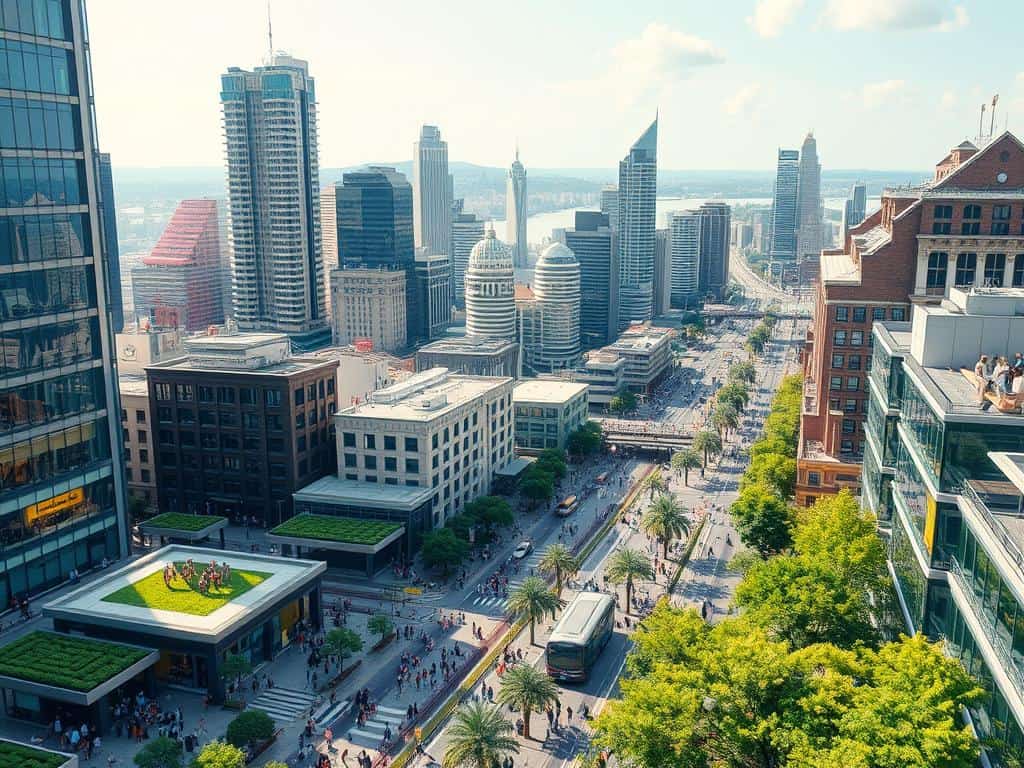
Walking through my city’s busy streets, I think about urbanization’s big impact. It’s more than just new buildings and roads. It changes how we live, work, and connect with each other.
In the last few decades, cities have become home to more people. Now, 39% of the world lives in cities, and by 2050, that number will jump to 2.5 billion. This change brings new stories of hope and struggle, of innovation and the need for better living conditions.
Urbanization is reshaping our cities and global economies. It brings big opportunities for growth but also big challenges. We need to pay close attention to these changes.
Today, cities are the heart of global wealth, creating over 80% of the world’s GDP. They are hubs for learning and health. But, they also face big challenges like pollution and overcrowding.
Understanding how cities grow and their impact on the economy is key. We need to build sustainable cities that support everyone’s well-being.
Key Takeaways
- Urbanization levels have risen dramatically, impacting population dynamics worldwide.
- Cities account for over 80% of global GDP, making them essential for economic development.
- The relationship between urbanization speed and economic growth is multifaceted and varies globally.
- Infrastructure must evolve to meet the needs of growing urban populations sustainably.
- Future urban development must address challenges like accessibility and greenhouse gas emissions.
- An interdisciplinary approach is vital for understanding urbanization’s impacts on economies.
- Innovative solutions are essential to transform urban areas into more equitable and livable spaces.
The Impact of Urbanization Trends on Economic Growth
Urbanization is key in shaping a nation’s economy. As people move to cities, these areas become centers of growth. They affect economic growth and how jobs are distributed. Knowing these links helps in making better plans for everyone’s benefit.
Understanding the Correlation Between Urbanization and GDP
Studies show a clear link between cities and economic growth. In rich countries, cities make up to 85% of the GDP. The impact changes based on how fast and well cities grow. Slow, planned growth is better for lasting economic gains.
By 2050, Africa’s cities will be home to 60% of its people. This could lead to more economic growth across the continent.
Urbanization and Labor Market Dynamics
People moving to cities changes the job market a lot. Cities offer more job types, encouraging skills and starting businesses. Cities are better for creating jobs because they are close to companies.
This closeness helps in sharing ideas, making work more productive. It improves lives and boosts the economy.
The Role of Infrastructure in Supporting Urban Growth
Good infrastructure is vital for city growth, handling more people. The World Bank invests billions in city improvements. It’s estimated that $4.5 trillion to $5.4 trillion is needed each year for this.
Good transport, water, and energy systems help cities grow. They make life better and help cities stay competitive.
Urbanization Trends and Their Effects on City Planning
Urbanization is changing cities all over the world. It’s important for city planners to understand these changes. They need to create sustainable places for growing populations.
Challenges Faced by Urban Planners
Urban planners face many challenges. One big issue is affordable housing. With more people moving to cities, housing prices keep going up. They must also make sure cities don’t harm the environment.
Another challenge is making sure everyone has access to basic services. Without good planning, some communities might miss out on things like clean water and healthcare. This shows the need for strong, fair systems to manage city growth.
Innovative Solutions for Sustainable Urbanization
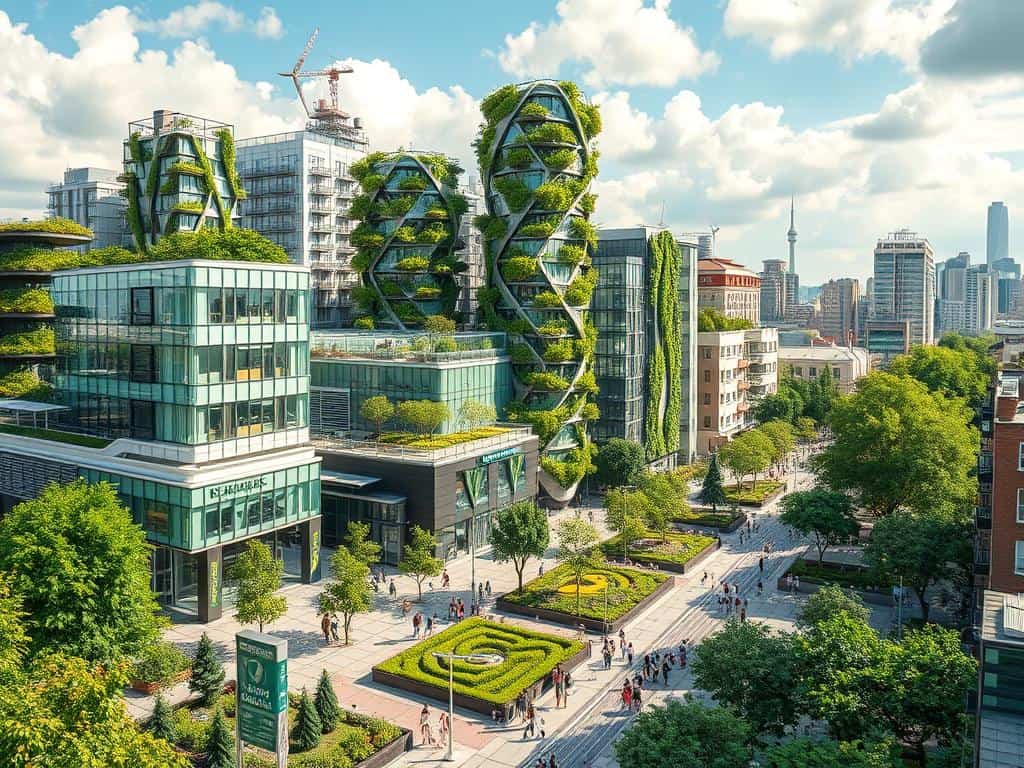
To solve these problems, new ideas are needed. Making cities more resilient to climate change is key. Planners can work with private companies to fund important projects. Using smart technology can also make cities more sustainable.
The World Bank suggests helping low-income areas grow. This helps everyone in the city. By involving people in planning, cities can do better. They need to think about the economy, environment, and people’s needs together.
Conclusion
Urbanization trends are changing the world’s economies in big ways. Over 4 billion people live in cities now. This changes how we think about economic growth and development.
Urban areas bring both chances for new ideas and challenges that need quick fixes. Knowing how cities grow helps us plan better for the future. This is key in places where cities are just starting to grow.
There’s a big need for better city planning and more homes. The World Bank is working on making cities sustainable. This is important for cities to grow without running out of space or resources.
Developing countries face huge financial hurdles. If they don’t plan cities well, millions could fall back into poverty. Climate change makes this problem even harder to solve.
In short, we need to make cities grow in a way that’s good for everyone. We should aim for cities that are both strong and fair. This way, cities can help society grow and thrive.
By using new ideas in city planning, we can build strong communities. These communities can handle tough times and opportunities. This leads to a better future for all of us in a world that’s more urban.