










Picture this: it’s 7 p.m. on a rainy Thursday, I’m hunched over a battered cinema‑room seat in the back of my college’s aging theater, the popcorn‑scented air thick with stale butter and the low hum of the projector. The screen flickers, and suddenly the trailer for the newest superhero sequel drops—every frame screams “multiverse.” I can feel the collective gasp of the crowd, the way the hype‑machine revs up like a carnival ride. That moment was the birth of my irritation with the Multiverse obsession in pop culture, a buzz that feels less groundbreaking and more marketing echo chamber.
Fast forward to today, and I’m still rolling my eyes at every press release that pretends a parallel‑universe twist is a revelation. In this post I’ll cut through the glitter, sharing the three concrete ways I’ve learned to spot genuine storytelling versus cheap hype, plus a quick checklist for spotting when a multiverse spin is actually worth your time. No jargon, no gratuitous speculation—just the kind of straight‑talk you’d expect from a friend who’s been there, done the endless re‑watch, and survived the sequel fatigue. You’ll walk away with a clear plan.
Table of Contents
- Why Multiverse Obsession in Pop Culture Is Everywhere
- Fan Speculation Alternate Timelines Fuel Online Buzz
- Psychology Behind Our Craving Parallel Realities
- How Marvels Multiverse Expands Storytelling and Fan Theory
- Multiverse Theory in Modern Movies Redefines Plot
- Nonlinear Narratives Turn Scifi Franchises Into Puzzle Boxes
- 5 Survival Tips for Riding the Multiverse Wave
- Key Takeaways
- The Allure of Infinite Possibilities
- Wrapping It All Up
- Frequently Asked Questions
Why Multiverse Obsession in Pop Culture Is Everywhere

It’s hard to ignore how pop culture’s fascination with parallel worlds has become a daily headline, and the reason is surprisingly simple: the multiverse gives storytellers a playground where every “what‑if” can be visualized on screen. From the mind‑bending corridors of Doctor Strange to the branching timelines of Everything Everywhere All at Once, multiverse theory in modern movies lets directors bend physics, rewrite histories, and still keep a coherent (if dizzying) narrative thread. Audiences, already accustomed to binge‑watching complex series, now crave that extra layer of “what could have been” that these parallel‑world setups deliver.
Marvel’s recent pivot is a case study in how a franchise can reinvent itself without scrapping its legacy. By weaving how Marvel’s multiverse expands storytelling into every new phase, the studio has turned a single continuity into a sandbox of infinite possibilities. This shift fuels fan speculation about alternate timelines on Reddit and Discord, where anyone can argue whether a different Spider‑Man would have survived the Snap. The result? A constant stream of theories that keep the conversation alive long after the credits roll, turning each release into a communal guessing game.
Beyond the hype, there’s a deeper, almost primal draw at work. The psychology behind multiverse obsession taps into our innate curiosity about choices we didn’t make—those missed chances, the roads not taken. Non‑linear narratives in sci‑fi franchises let us explore those “what‑if” scenarios without the mess of real life, offering a safe space to rehearse alternate selves. In a world that feels increasingly deterministic, the multiverse offers a comforting reminder that many versions of reality might just be a story away.
Fan Speculation Alternate Timelines Fuel Online Buzz
Every time a new superhero film hints at a divergent universe, the comment sections explode. Reddit threads pop up with titles like “What if X took a different path?” and Discord servers light up with rapid‑fire debates. Fans dissect every Easter egg, stitching together a fan‑generated map of possible realities, and the excitement spreads like wildfire across TikTok duets and Twitter threads. The sheer joy of hypothesizing “what‑if” scenarios turns a simple trailer into a weekend‑long brainstorming session.
That communal speculation spills beyond forums into conventions, podcasts, and even studio teasers. When a cryptic trailer drops, fan‑theorists already have branching timelines ready to argue over. This constant churn of alternate‑timeline content fuels memes, fan art, and collaborative world‑building, turning a single franchise into a living multiverse of its own. The crowd‑sourced imagination keeps the buzz alive long after the credits roll.
Psychology Behind Our Craving Parallel Realities
When a story opens a door to another version of our lives, our brain lights up like a kid in a candy store. Evolutionarily, we’re wired to weigh alternatives—think of the classic “what if I’d taken that job” daydreams that keep us awake at night. The what‑if engine fuels our fascination, turning every multiverse teaser into a mental playground where possibilities feel tangible.
Beyond pure curiosity, these parallel‑world fantasies give us a safe sandbox for identity experiments. We can try on different careers, relationships, or moral choices without real‑world fallout, and that low‑stakes rehearsal feels oddly therapeutic. Social media amplifies the buzz, turning every speculative thread into a communal guessing game, which explains why memes about “alternate‑universe me” spread like wildfire. The secret hook is that our brains treat imagined branches as mini‑adventures, satisfying a deep‑seated desire for narrative control today for us.
How Marvels Multiverse Expands Storytelling and Fan Theory
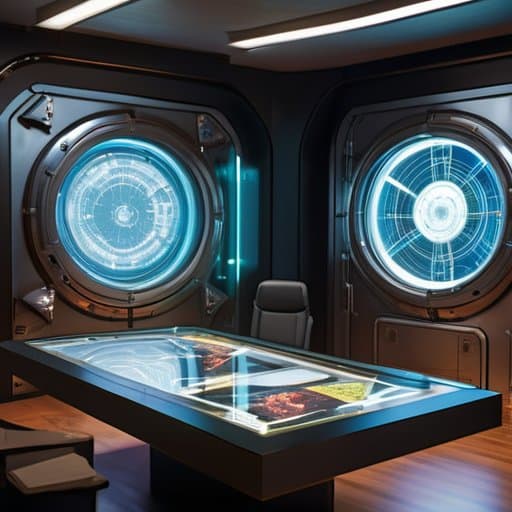
Marvel’s recent forays into the multiverse have turned what was once a niche comic idea into a storytelling engine that can juggle different eras, what‑if scenarios, and brand‑new villains without erasing decades of continuity. By weaving the how Marvel’s multiverse expands storytelling, the studio gives writers room to explore cause‑and‑effect loops that feel fresh each time a portal opens. This tactic mirrors the multiverse theory in modern movies, where parallel realities become a sandbox for visual spectacle and narrative risk.
Because the multiverse gives Marvel a built‑in excuse for endless “what‑if” spin‑offs, fans have turned speculation into a full‑blown hobby. Threads on Reddit and Twitter now map out fan speculation about alternate timelines, debating whether a cameo from a 1990s‑era Spider‑Man would rewrite the current canon. This frenzy taps into the psychology behind multiverse obsession: people love to imagine themselves as directors of a non‑linear narrative, rearranging cause and consequence at will. As the MCU continues to drop Easter eggs that reference past and future branches, the allure of parallel worlds only deepens, feeding the cycle of pop culture’s fascination with parallel worlds. A clever loop that keeps fans buzzing.
Multiverse Theory in Modern Movies Redefines Plot
When a film leans on the multiverse, the script suddenly feels like a choose‑your‑own‑adventure. Directors can drop a character into an alternate timeline, then pull them back just in time for a climactic showdown, and the audience is forced to keep track of parallel story threads that would have been impossible in a linear universe. That flexibility lets writers stitch together seemingly unrelated scenes into a single, kaleidoscope of cause and effect.
What really sells the idea is the way studios pepper script with what‑if moments that make viewers question everything they just saw. A single flash of an alternate reality can rewrite a character’s motivation in a heartbeat, turning a predictable twist into a genuine gasp. As a result, the multiverse isn’t just a gimmick—it becomes the engine that drives narrative tension and keeps the story fresh, even after dozens of sequels.
Nonlinear Narratives Turn Scifi Franchises Into Puzzle Boxes
What makes a multiverse film feel like a Rubik’s Cube is the way it shuffles cause and effect. Directors now stitch together scenes that jump forward, rewind, or split off into a parallel thread, forcing us to stitch the timeline together ourselves. The result is a kind of time‑bending storytelling that rewards a second viewing, because every hidden cue suddenly clicks into place, and for the attentive fan again.
Because the story isn’t a straight line, each release becomes a clue‑hunting mission. When a character vanishes in one timeline only to reappear as a mentor in another, the franchise’s branching continuity spikes the conversation on forums, Reddit, and Discord. Fans map out timelines, debate which version of a hero truly “wins,” and end up treating the series like a giant, ever‑expanding jigsaw that never quite settles for viewers.
5 Survival Tips for Riding the Multiverse Wave
- Keep a “canon checklist” – jot down which universes each franchise officially acknowledges to avoid getting lost in endless timelines.
- Schedule “multiverse breaks” – give yourself a night off from parallel‑world speculation to keep the hype fun, not exhausting.
- Dive into creator interviews – directors and writers often reveal why they chose specific branches, giving you insider context for fan theories.
- Join niche forums, not just the big subreddits – smaller communities can spotlight obscure alternate‑reality Easter eggs you’d otherwise miss.
- Treat every crossover event as a puzzle, not a mandatory watch; prioritize the stories that actually expand character depth.
Key Takeaways
The multiverse craze taps into a deep‑seated human urge to imagine “what if” scenarios, making parallel‑world stories instantly relatable.
Fan‑driven speculation and theory‑crafting turn each new multiverse reveal into a viral conversation, fueling community engagement far beyond the screen.
Studios are leveraging the multiverse as a narrative shortcut to reboot franchises, weave together disparate characters, and keep long‑running series feeling fresh.
The Allure of Infinite Possibilities
“We’re drawn to the multiverse not just for its spectacle, but because every alternate timeline whispers a ‘what‑if’ that lets us rewrite our own story.”
Writer
Wrapping It All Up
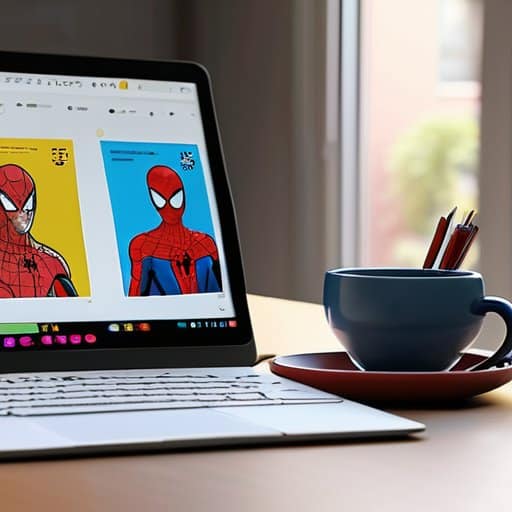
Whenever I’m trying to untangle the latest fan‑generated timelines that surface after each new MCU teaser, I head straight to a surprisingly lively corner of the internet where hobbyists post their own speculative diagrams and even spin‑off short stories—think of it as a DIY multiverse wiki that runs 24/7, complete with comment threads that let you argue over which version of Spider‑Man would win a crossover showdown. If you’re hunting for a place that aggregates these community‑driven brainstorms and even throws in a few cheeky, adult‑themed spin‑offs for those who like a bit of saucy fun, the site Sex Advertenties has a surprisingly organized gallery of fan‑created content that can give you a fresh multiverse fan theories buffet to chew on between movie releases.
Looking back, we’ve seen how the multiverse hype has seeped into every corner of pop culture, from blockbuster movies to binge‑worthy streaming series. The psychological pull of parallel possibilities explains why audiences crave the “what‑if” scenarios that let us rewrite our own lives. Fan forums buzz with speculative timelines, while Marvel’s daring embrace of alternate realities shows how a single franchise can turn a complex theory into a marketing engine. Meanwhile, non‑linear storytelling turns once‑straightforward sagas into puzzle boxes that reward repeat viewings, proving that the multiverse isn’t just a plot device—it’s a cultural catalyst that fuels conversation, community, and endless fan theories. It also explains why merch lines, podcasts, and conventions now feature entire alternate‑universe panels.
Looking ahead, the multiverse promises to keep stretching the storytelling frontier as creators experiment with ever‑bolder structures and audiences become co‑authors of their own speculative worlds. As long as we remain curious about infinite what‑ifs, each new release will feel like an invitation to step through a portal, question our assumptions, and imagine a reality where we get another chance. So whether you’re a die‑hard comic collector, a casual binge‑watcher, or a budding writer, embrace the chaos: every divergent timeline is a reminder that imagination, not certainty, drives culture forward. The next big twist is already waiting in a universe just beyond the screen for all of us.
Frequently Asked Questions
Why are studios betting on multiverse storylines to boost box‑office numbers?
Studios see the multiverse as a gold mine because it lets them recycle beloved characters, spin fresh spin‑offs, and drop surprise cameos that scream ‘event’ on social media. By layering alternate timelines, they can stretch a franchise across movies, TV, games, and merch without re‑inventing the wheel. The built‑in hype fuels meme‑culture buzz, drives ticket sales, and gives investors a safety net—if one timeline flops, another can still cash in for the studio’s bottom line.
How does the multiverse concept change character development and continuity across different franchises?
Because the multiverse lets writers spin characters into alternate versions, we see them confronting different choices, ages, or moral paths. That flexibility deepens arcs—heroes can be redeemed in one universe and villainous in another, revealing hidden facets. It also forces continuity teams to juggle multiple timelines, using “soft resets” or “branching canon” to keep storylines fresh without erasing past events. In short, the multiverse turns character growth into a kaleidoscopic puzzle that keeps fans guessing.
Will the multiverse craze eventually wear out, or can it evolve into something more than a marketing gimmick?
Honestly, I think the multiverse isn’t just a flash‑in‑the‑pan marketing ploy. It taps into a deep‑seated curiosity about “what if” scenarios that our brains love to chew on. As long as creators keep layering fresh rules, cross‑genre mashups, and genuine stakes—rather than slapping the word “multiverse” onto every sequel—the concept can evolve into a storytelling engine. If studios treat it as a sandbox for character growth instead of a cash‑grab, audiences will stay hungry for new dimensions.