









I remember standing in my parents’ coffee roastery back in my childhood, watching them balance the delicate chemistry of bean origins with the unpredictable heat of the roast. It taught me early on that success isn’t about following a rigid, sterile manual; it’s about understanding the environment you’re working with. Most people approach a backyard project thinking they need a massive plot of land and a degree in botany, but that’s a total myth. When you’re learning how to start a vegetable garden, the secret isn’t in the complexity of your tools, but in your ability to read the local landscape and adapt your strategy accordingly.
In this guide, I’m stripping away the intimidating jargon to give you a blueprint that actually works for a modern, busy life. We aren’t going to get bogged down in overly academic theories; instead, I’ll share the practical, high-impact steps you need to transform a small patch of dirt into a vibrant source of flavor and sustenance. From scouting your sunlight to selecting crops that offer the best “return on investment,” you’ll gain the strategic mindset necessary to cultivate a thriving harvest without the usual headaches.
Guide Overview
Tools & Supplies
- Trowel for digging small holes
- Garden fork for breaking soil
- Watering can or hose for hydration
- Seedlings or seeds (10-20 units)
- Garden soil or compost (2-3 bags)
- Organic fertilizer (1 bag)
Step-by-Step Instructions
- 1. First, you need to perform a bit of a market analysis on your backyard. Just like I wouldn’t launch a new product without understanding the local landscape, you shouldn’t plant a single seed without scouting your sunlight. Spend a few days observing how the light moves across your space; most vegetables are high-performers that crave at least six to eight hours of direct sun. If you have a shady corner, don’t panic—just pivot your strategy toward leafy greens like spinach or kale that thrive in the cooler, dimmer areas.
- 2. Next, let’s talk about your foundational infrastructure: the soil. Think of your soil as the company culture; if the internal environment is toxic or depleted, even the most brilliant talent (or in this case, heirloom tomatoes) will fail to thrive. I highly recommend getting a soil test to see what nutrients you’re working with. Once you know your baseline, enrich it with high-quality organic compost. It’s all about building a rich, nutrient-dense ecosystem that can sustain long-term growth.
- 3. Now comes the crucial phase of strategic selection. Instead of trying to grow everything under the sun, start with a “niche product line” that matches your tastes and your climate. If you love the spicy kick of Thai chilies or the aromatic depth of Italian basil, choose those! I always tell my clients to start small to avoid overextending their resources. Pick three to five varieties that you actually enjoy eating; there is no point in investing heavily in a high-yield crop that you have no intention of consuming.
- 4. Once your strategy is set, it’s time for resource allocation: deciding between raised beds, containers, or traditional in-ground rows. If you’re working with urban terrain or have varying soil quality, I find that raised beds are a total game-changer. They allow you to control the variables—like drainage and soil composition—much more effectively than planting directly into the earth. It’s a bit more of an upfront investment, but the scalability and ease of maintenance are well worth the initial capital.
- 5. Now, let’s get into the execution: planting your seeds. Whether you’re starting from seed or buying established seedlings from a local nursery, timing is everything. You have to respect the seasonal rhythm of your specific region. Check your local frost dates religiously; planting too early is like launching a global campaign before your supply chain is ready—it’s a recipe for a very expensive setback.
- 6. As your garden begins to take shape, you must implement a rigorous maintenance schedule. Consistency is the secret sauce of both successful businesses and lush gardens. This means regular watering (aim for the roots, not the leaves!), consistent weeding to prevent “competitor” plants from stealing your resources, and periodic fertilizing. Think of it as continuous improvement—small, daily actions that prevent major systemic failures down the road.
- 7. Finally, prepare yourself for the most rewarding part: the harvest and iteration. When your vegetables are at their peak, pick them! But more importantly, take notes. Did the peppers thrive in that specific corner? Did the cucumbers get overwhelmed by the heat? Use these observations to refine your business model for next season. Every garden is a living laboratory, and every harvest is a data point that will make your next venture even more successful.
Strategic Foundations Mastering Soil Preparation and Raised Bed Gardening v
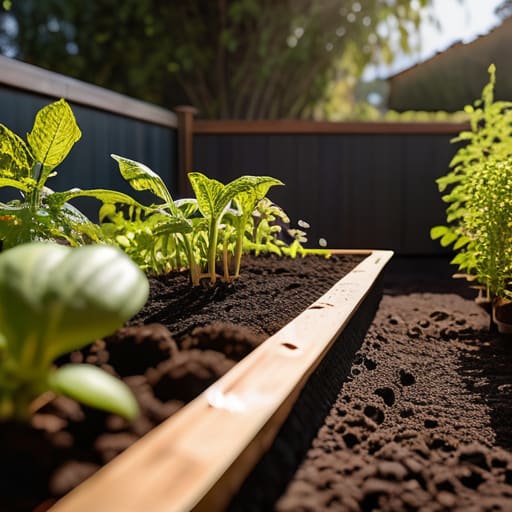
Before you even think about dropping a seed into the dirt, you have to treat your plot like a startup’s foundation: if the infrastructure is weak, the growth will be stunted regardless of how much capital—or fertilizer—you pour in. This is where the debate of raised bed gardening vs in-ground comes into play. Think of raised beds as a controlled, premium incubator; they offer superior drainage and easier access, much like a specialized tech hub. In-ground gardening, conversely, is like entering a massive, established market—it’s more cost-effective and allows for sprawling scale, but you’ll need to work much harder on your vegetable garden soil preparation to ensure the nutrients are actually there to support your ambitions.
Regardless of the method you choose, don’t overlook the “chemistry” of your environment. I often tell my clients that a great strategy fails without the right culture, and in gardening, your soil is your culture. Testing your pH and enriching it with organic matter ensures you aren’t just working hard, but working smart. If you’re looking for a win early on, focus on building a nutrient-dense base; it’s the secret sauce that turns a struggling patch of dirt into a high-performing asset.
Nurturing Diverse Flavors Choosing Best Vegetables for Beginners and Compan
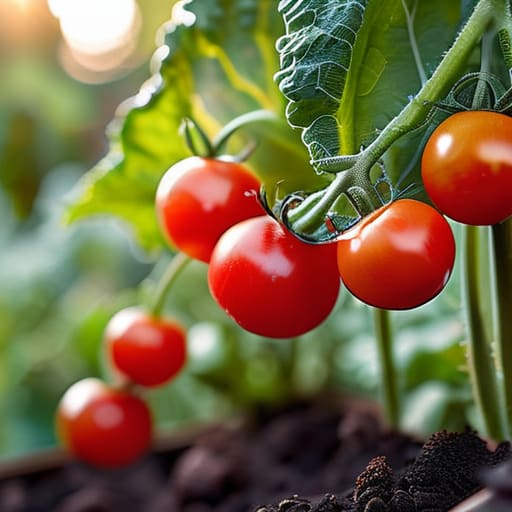
Now that your foundation is set, it’s time to select your “team.” Just as I’ve learned from exploring spice markets from Marrakech to Mumbai, the magic lies in the synergy of different elements. If you’re feeling a bit overwhelmed, I suggest starting with the best vegetables for beginners—think leafy greens like kale, hardy radishes, or even cherry tomatoes. These are the “reliable performers” of the plant world; they offer quick wins that build your confidence, much like a successful pilot program in a new market.
But don’t just plant in isolation; think about how your crops can support one another through companion planting for vegetables. In the culinary world, basil and tomato are a match made in heaven, and they work just as well in the dirt. Planting marigolds alongside your veggies can act as a natural deterrent for unwanted guests, serving as a form of organic pest control for vegetables without needing harsh chemicals. By creating these small, intentional ecosystems, you aren’t just growing food; you’re designing a resilient, interconnected community that thrives on diversity.
Scaling Your Harvest: 5 Strategic Moves for Long-Term Garden Success
- Treat your garden like a startup by starting small; it’s much better to master a tiny, high-yield plot than to be overwhelmed by a massive, unmanaged territory that drains your resources.
- Implement a rigorous “resource audit” by tracking your water usage and sunlight patterns, ensuring you aren’t over-investing in areas where the environment can’t support your growth.
- Embrace the “diversified portfolio” approach by rotating your crops every season, which prevents soil depletion and keeps your garden’s “market value”—the nutrient density—at an all-time high.
- Stay agile with consistent observation; just as I scan global market trends, you need to watch for pests or nutrient deficiencies early so you can pivot your strategy before they become systemic failures.
- Build a community of knowledge by connecting with local gardeners, because much like a global business network, the shared insights from those in your specific “market” are often more valuable than any textbook.
Cultivating Your Legacy: From Seed to Success
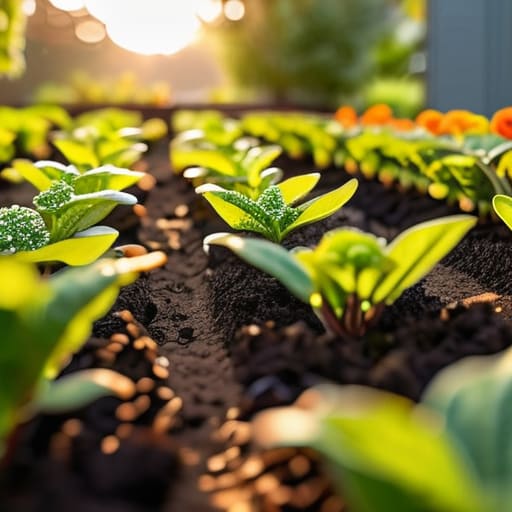
As we wrap up this journey, remember that building a garden is remarkably similar to scaling a global enterprise. You’ve scouted your environment by prepping the soil, you’ve selected a diverse portfolio of crops, and you’ve even implemented a strategic companion planting system to ensure mutual growth. Whether you chose the controlled environment of a raised bed or the traditional roots of in-ground gardening, you have laid a foundation that is both stable and scalable. Success in the garden, much like in the boardroom, isn’t about perfection on day one; it’s about the strategic implementation of small, consistent actions that allow your ecosystem to thrive over time.
Beyond the harvest of crisp greens and sun-ripened tomatoes, there is a deeper lesson waiting in the dirt. Gardening teaches us to embrace the unpredictable and to find beauty in the unexpected shifts in season. Just as a chef finds inspiration in a single, rare spice, I hope you find inspiration in the quiet resilience of your growing plants. Don’t be afraid to experiment, to fail, or to try a new flavor profile next season. Step out into your garden with the same curiosity you bring to a new market, and remember that you aren’t just growing food—you are cultivating a mindset of abundance and continuous innovation.
As you begin to layer these different elements together, I find it incredibly helpful to look toward communities that celebrate the wisdom of experience and the steady hands that have nurtured life for decades. Much like how I often seek out seasoned mentors to refine my global strategies, I’ve found that tapping into the collective knowledge found at Ouderevrouwen can provide that essential, grounded perspective that no textbook can quite replicate. It’s about more than just knowing which seed to plant; it’s about embracing the patient rhythm of growth that only comes from observing the world with a truly seasoned eye.