










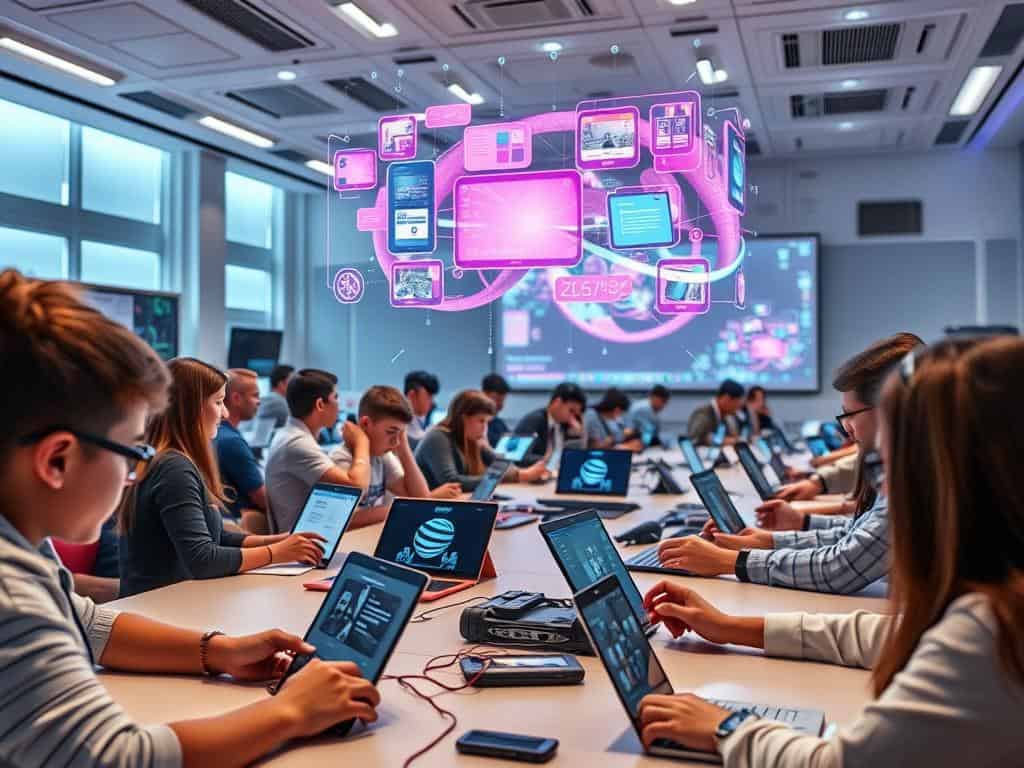
Looking back, I see how learning has changed with technology. Online learning used to seem scary, like it was less important than school. But now, with new trends, I see its value. It offers flexibility and convenience.
Today, more than half of all students in the U.S. take online courses. This shows how online learning is becoming more accepted. It’s a big change.
The shift from old-school distance learning to modern e-learning is huge. The COVID-19 pandemic made schools move fast to online learning. Now, technology lets us learn in new ways. We can get skills through AI and explore with AR and VR.
Key Takeaways
- 53% of postsecondary degree seekers in the U.S. engaged in online courses in 2021.
- Global growth in online learning is prominent in emerging economies.
- Micro-credentials focus on specific skills through evidence-based assessments.
- Purdue University’s digital badge platform aids students in showing professional skills.
- The COVID-19 pandemic accelerated the shift toward digital education.
- Lifelong learning is key for staying ahead in your career.
The Evolution of Online Education Trends
Online education has changed a lot, moving from old distance learning to new e-learning. At first, distance learning was just about sending letters and not much else. But with new digital tools, learning online became more fun and interactive.
From Distance Learning to E-Learning
More people wanted to learn online, so education online grew. Learning management systems helped make courses easier to get and use. Now, with MOOCs, millions can learn from top schools without being in a classroom.
Technological Advancements Shaping the Landscape
New tech has changed how teachers and students work together. Using games in learning has really helped, with 67.7% of students liking it more than old ways. It also makes them do better by almost 35%.
Artificial intelligence has made learning even better, with a 63% boost in student interest. It also makes schools work better by 71%.
Key Online Education Trends Reshaping Learning
Online education is changing fast, thanks to new tech and the need to fill skills gaps. New ways of learning are key to this change. Personalized learning, micro-credentials, and microlearning are leading the way.
Bridging the Skills Gap
Fixing the skills gap is a big deal for schools and employers. By 2025, schools, colleges, and businesses will work together more, in fields like AI and cybersecurity. With more students taking online courses, these partnerships will make education match job market needs better.
As lifelong learning becomes common, people see the need to keep learning new skills. This helps them stay ahead in their careers.
Personalized Learning Through Data Analytics
Personalized learning is getting more popular, thanks to data analytics. AI helps tailor content to each student’s needs. Studies show this can boost learning retention by up to 60%.
As tech changes how we learn, focusing on personalized learning leads to better results for all students.
Micro-Credentials and Microlearning
Micro-credentials are changing education to focus on skills. Places like Purdue University are creating digital badges to show off specific skills. This gives learners proof of their abilities.
Microlearning is also on the rise. It offers short, focused lessons to meet immediate needs. This fits with today’s learners who want quick, effective ways to learn new skills.
Conclusion
The world of education is changing fast, thanks to technology and new learning needs. The online education market is expected to grow by 13.8% from 2021 to 2027. This shows we’re just starting to see what’s possible.
Online learning is becoming more common. It’s set to make learning more personal and efficient for everyone. This will help many students in different ways.
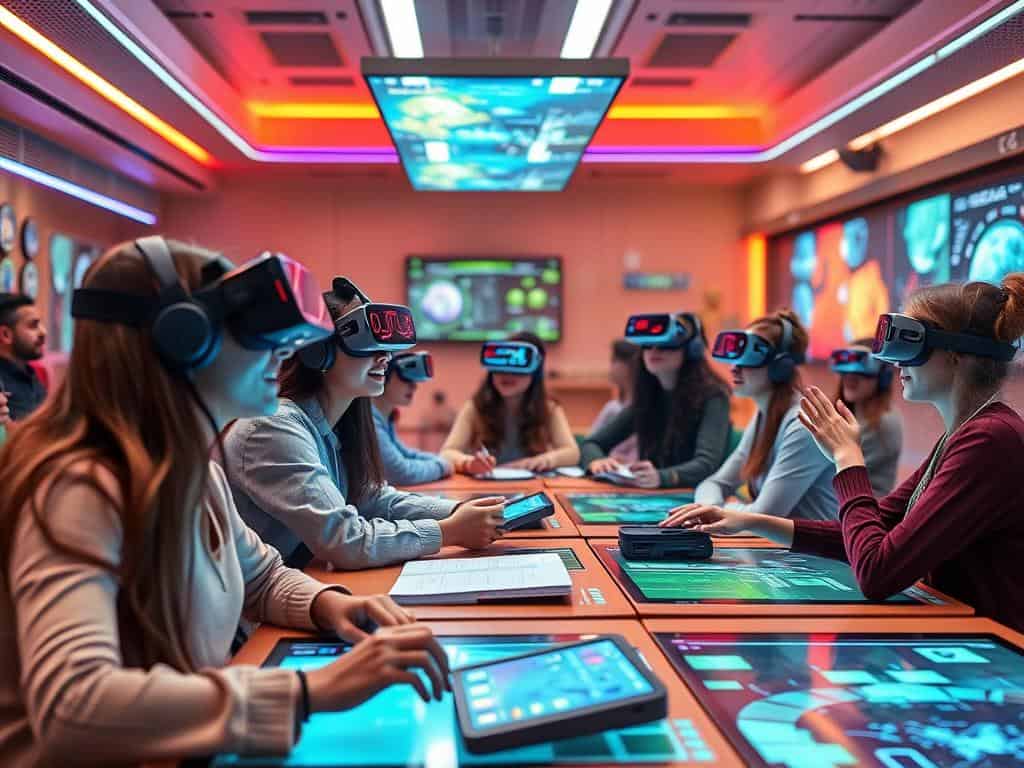
Innovative tools like Artificial Intelligence (AI) and Augmented Reality (AR) will change learning. They will help make learning paths that fit each student’s needs. Microlearning, with its short, focused content, is also becoming popular. It helps students remember more and stay engaged.
Blended Learning combines online and traditional learning. It makes education more flexible and effective. This mix of methods is a big step forward.
It’s important for educators and learners to keep up with these trends. Learning Management Systems (LMS) are key tools, like old libraries. By 2028, there will be 958.4 million online education users. With over 12,400 programs to choose from, embracing these changes is essential.
By adapting to these new ways, we can make education more accessible and effective. This is a big step towards a better future in learning.