










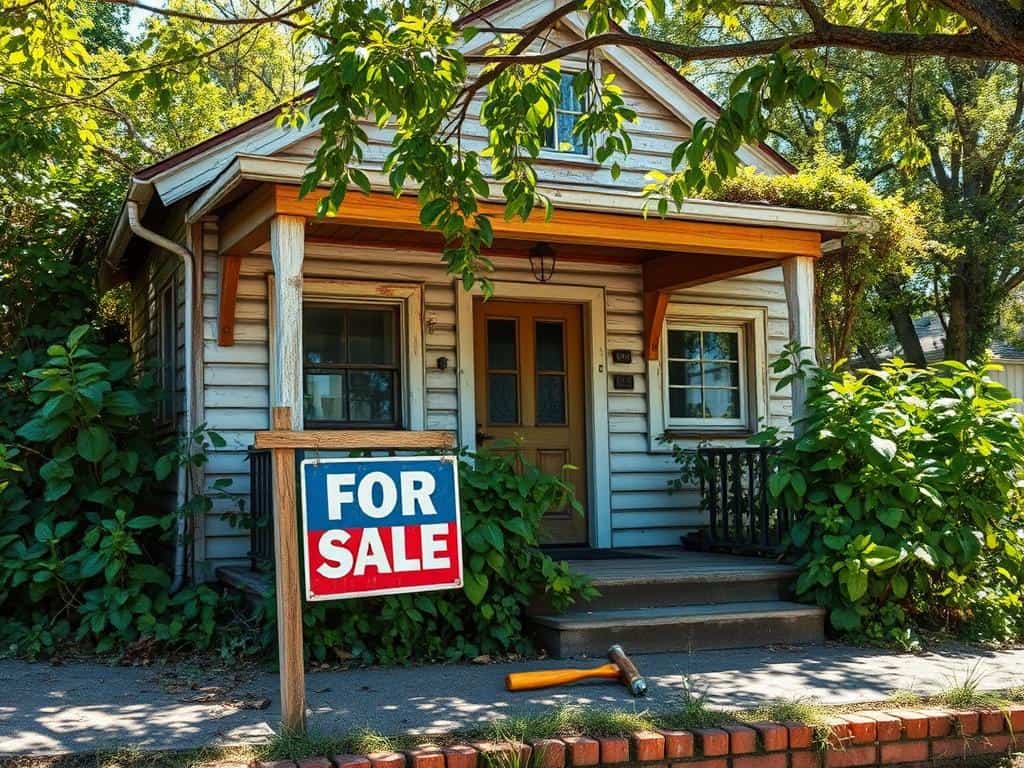
As I sat on my porch with morning coffee, I thought about fixer-upper homes. The excitement and challenge of making a neglected home yours is thrilling yet scary. I wanted a place that felt truly mine, a place to express myself.
But then, the reality hit me: Was this investment worth my time, effort, and money? Renovations offer great opportunities but also risks. It’s important to know what a fixer-upper is and the details of buying and renovating them.
Key Takeaways
- Fixer-upper homes often have a lower purchase price, saving buyers money for renovations.
- Investing in such properties can lead to significant home equity and customized living spaces.
- Understanding renovation challenges, like unexpected costs and structural issues, is key to success.
- Detailed cost analysis and a solid financial plan are essential before starting a fixer-upper project.
- Using renovation loans and seeking professional advice can greatly improve the fixer-upper transformation.
Understanding Fixer-Upper Homes
Fixer-upper homes need a lot of work before they’re ready to live in or sell for more. They appeal to first-time buyers in a pricey housing market. Their lower prices make them attractive for smart investments.
What Defines a Fixer-Upper?
Fixer-uppers vary from simple cosmetic updates to major repairs. They might need fixes for water damage, plumbing, or old electrical systems. For example, replacing old wiring can cost about $8,000.
Knowing these costs is key to understanding fixer-uppers. While they’re cheaper than similar homes, renovation costs can add up fast. Adding a bathroom can double the home’s resale value, making it a worthwhile investment.
Reasons to Consider Fixer-Upper Homes
Buying a fixer-upper can lead to big equity gains and personalization. You get to choose the improvements, focusing on what’s most important to you. In seller’s markets, they might be the only affordable option, attracting less competition.
Creating a home that reflects your style is a unique chance for creativity. Plus, financing options like Freddie Mac’s renovation loans make the process smoother. This makes fixer-uppers a great choice for serious investors.
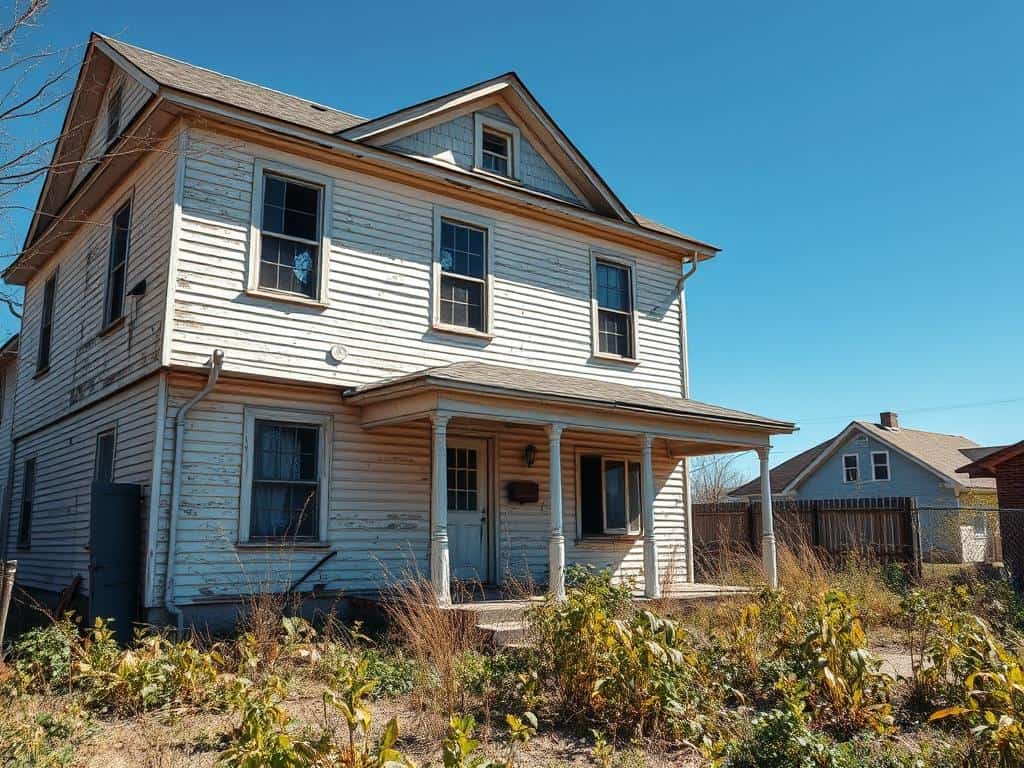
Pros and Cons of Investing in Fixer-Upper Homes
Fixer-upper homes are gaining popularity, attracting both new and experienced investors. Knowing the good and bad sides helps decide if this path fits your goals and situation.
Benefits of Purchasing a Fixer-Upper
Fixer-uppers often cost less, making them attractive. They need a lot of work, which means less competition and better negotiation chances. You can make them your own, fitting them perfectly to your taste.
Renovations can greatly increase a home’s value, boosting your equity. Certain updates, like new kitchens or bathrooms, can bring in more profit than others. Plus, special financing options make getting funds for repairs easier.
Challenges of Fixer-Upper Investments
While fixer-uppers offer many benefits, they also come with challenges. About 4 out of 5 projects go over budget, often due to surprise costs. Experts suggest adding 10-25% to your budget for unexpected expenses.
Getting a home inspection is key to spotting problems early. Issues like bad plumbing or foundation cracks can cause big delays. Living on-site during renovations can also extend the project, requiring careful planning.
Understanding these challenges helps make a smart choice when investing in fixer-uppers.
Conclusion
Investing in fixer-uppers can be rewarding but also comes with risks. The chance to increase property value through smart renovations is big. Yet, it often hides challenges.
For those thinking about this, getting thorough home inspections and knowing how to renovate are key. They help avoid unexpected costs and delays.
Setting aside 10%–20% of the budget for surprises can make a big difference. Whether using a cash-out refinance or an FHA 203(k) loan, a detailed budget is essential. Knowing local zoning laws also helps avoid future problems.
The path of investing in fixer-uppers needs dedication, smart planning, and flexibility. By carefully considering the pros and cons, I aim to make smart choices. These choices help improve my investment and turn these properties into lovely homes.