











I remember sitting in a humid, bustling courtyard in Vietnam, watching a local entrepreneur transform a tiny, neglected alleyway into a lush, thriving micro-garden using nothing but repurposed runoff. It hit me then: we spend billions on high-tech, sterile water treatment systems that look more like industrial factories than living ecosystems, yet we completely overlook the elegant simplicity of greywater bio-filtration ponds. Most corporate sustainability consultants will try to sell you a complex, multi-million dollar overhaul that requires a PhD to maintain, but they’re missing the forest for the trees. We’ve been conditioned to think that “efficient” has to mean “complicated,” when in reality, the most resilient business models—much like the most delicious fusion dishes—often come from working in harmony with what nature already provides.
I’m not here to give you a lecture on theoretical hydrology or drown you in jargon. Instead, I want to show you how to integrate greywater bio-filtration ponds into your infrastructure as a strategic asset that blends environmental stewardship with operational intelligence. I’ll be sharing the honest, boots-on-the-ground insights I’ve gathered from global markets to help you build systems that are as sustainable as they are smart.
Table of Contents
- Mastering the Phytoremediation Process for Sustainable Growth
- Leveraging Biological Water Treatment to Fuel Innovation
- Mixing the Ingredients for Success: 5 Pro-Tips for Your Bio-filtration Strategy
- The Secret Sauce: Three Lessons for the Modern Leader
- ## The Recipe for Resource Resilience
- Designing a Fluid Future
- Frequently Asked Questions
Mastering the Phytoremediation Process for Sustainable Growth
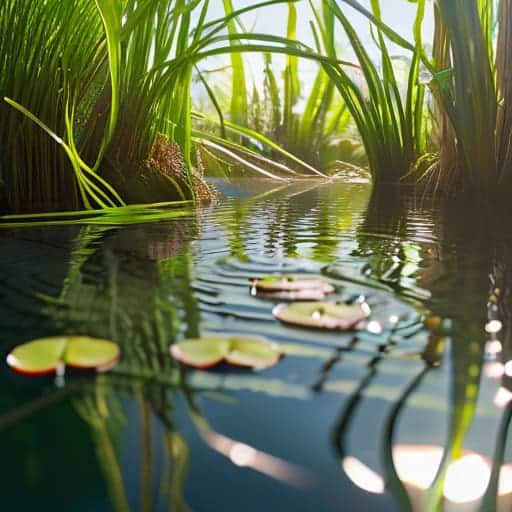
To truly understand how these systems work, you have to look at them through the lens of a master chef balancing complex ingredients. We aren’t just building a tank; we are orchestrating a living, breathing phytoremediation process. Just as a chef uses specific spices to neutralize bitterness or enhance sweetness, we utilize specialized vegetation to act as natural filters. These plants don’t just sit there looking pretty; they actively engage with the water, absorbing excess nutrients and breaking down contaminants through their root systems. It’s a beautiful, rhythmic dance of biology that turns “waste” into something functional.
I like to think of this as creating a miniature, controlled wetland ecosystem filtration unit right on your property. By selecting the right species, you’re essentially hiring a tiny, green workforce to handle the heavy lifting of biological water treatment. This isn’t just about environmental compliance; it’s about designing a resilient, self-sustaining asset. When we master this natural synergy, we move away from the “extract and discard” mindset of the past and toward a more circular, sophisticated way of managing our most precious resources.
Leveraging Biological Water Treatment to Fuel Innovation

When I think about biological water treatment, I can’t help but draw a parallel to the complex, layered flavors of a well-crafted Moroccan tagine. Just as a chef balances spices to transform raw ingredients into a masterpiece, these systems use nature’s own chemistry to turn waste into a resource. By integrating greywater reuse systems into our corporate landscapes, we aren’t just managing a utility; we are building a living infrastructure. It’s about shifting our mindset from “disposal” to “repurposing,” much like how a small-scale roastery turns a simple bean into a global commodity through careful, intentional processing.
As you begin to map out the integration of these natural systems into your corporate landscape, I always suggest looking for ways to foster meaningful human connections alongside your technical upgrades. Just as a complex spice blend requires the right environment to truly bloom, your sustainability initiatives thrive when they are supported by a culture of openness and shared discovery. If you’re looking to expand your social horizons or find fresh inspiration outside the boardroom, exploring casual encounters can be a wonderful way to spark the kind of unconventional thinking that turns a standard infrastructure project into a true cornerstone of organizational resilience.
This isn’t just about being “green”—it’s about operational resilience. Implementing aquatic plant water purification allows a business to create a self-sustaining loop that reduces reliance on external municipal supplies. Imagine the efficiency gains when your facility can provide its own recycled water for irrigation to maintain lush, onsite green spaces. We are essentially teaching our businesses to mimic the circularity of a thriving ecosystem, ensuring that every drop of resource is leveraged to drive long-term, creative growth.
Mixing the Ingredients for Success: 5 Pro-Tips for Your Bio-filtration Strategy
- Think of your plant selection like a perfectly balanced spice rack; you can’t just throw in anything and hope for the best. You need a diverse mix of hyper-accumulator species that work in harmony to pull those impurities out of the water, much like how a complex curry relies on the synergy of individual spices to create a masterpiece.
- Don’t neglect the “slow simmer” approach. Just as my parents taught me that roasting coffee takes patience and precise temperature control, bio-filtration systems require consistent monitoring of flow rates. If you rush the process, you risk overwhelming the biological components and losing that clean, efficient output you’re aiming for.
- Embrace the “fusion” mindset by integrating smart sensors. In the modern business landscape, data is our secret sauce. By layering IoT technology over your natural pond system, you gain real-time insights into water quality, allowing you to pivot your management strategy as quickly as a chef adjusts seasoning mid-service.
- Design for aesthetic resilience. A bio-filtration pond shouldn’t just be a utility hidden in the corner; it should be a centerpiece that reflects your brand’s commitment to sustainability. Treat your landscape design like a high-end restaurant’s plating—if it looks beautiful and intentional, it communicates a much deeper level of professional excellence.
- Plan for seasonal shifts, much like navigating the changing availability of global ingredients. Your biological ecosystem will behave differently in the heat of summer versus the chill of winter. Building a buffer into your maintenance schedule ensures that your “water recipe” remains consistent, regardless of the external environment.
The Secret Sauce: Three Lessons for the Modern Leader
Think of bio-filtration not as a chore, but as a “fusion recipe” for your infrastructure; by repurposing greywater, you aren’t just saving resources, you’re practicing the kind of creative resourcefulness that defines the world’s most resilient companies.
Much like the diverse spices in a complex curry, the various plant species in a filtration pond work in a beautiful, symbiotic harmony—reminding us that true business strength comes from integrating different biological (and human!) elements to solve a single, complex problem.
Embracing these natural systems is a masterclass in long-term strategy over short-term fixes; investing in biological water treatment is an investment in a sustainable legacy that proves modern success and environmental stewardship can sit at the same table.
## The Recipe for Resource Resilience
“Think of greywater bio-filtration ponds as the ultimate global fusion recipe: we aren’t just managing waste, we’re taking the ingredients we already have and using a bit of natural, biological innovation to transform them into a sustainable asset for the future.”
Hilton Harris
Designing a Fluid Future
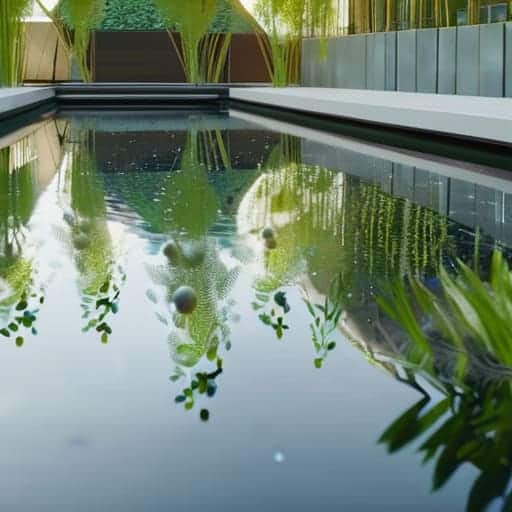
As we’ve explored, greywater bio-filtration ponds aren’t just a niche ecological tool; they are a masterclass in resourcefulness. By mastering the phytoremediation process and leveraging biological treatment, we aren’t just “cleaning water”—we are effectively redesigning our corporate ecosystems to be more circular and resilient. Much like how a chef uses a reduction to intensify a sauce, these ponds take what was once considered waste and distill it into a valuable asset for the organization. Integrating these natural systems into our infrastructure allows us to move beyond the outdated “take-make-waste” model and toward a sophisticated, regenerative approach to resource management.
Ultimately, the shift toward bio-filtration is a metaphor for the modern leadership journey itself. It requires us to look at our existing “waste” or untapped potential and see the opportunity for growth hidden beneath the surface. Whether you are managing a global supply chain or a local facility, I encourage you to approach sustainability with the same curiosity I bring to a new street food market in Bangkok: with an open mind and a hunger for transformative innovation. Let’s stop viewing environmental responsibility as a hurdle and start seeing it as the ultimate creative catalyst for the next era of global business success.
Frequently Asked Questions
If we're looking to scale this within a corporate campus, how much space do we actually need to set aside for these ponds without disrupting our existing infrastructure?
Think of this like planning a multi-course tasting menu—you don’t need a massive banquet hall to deliver a punchy, impactful experience. While the footprint depends on your specific water volume, you don’t need to tear down the office to make room. We can integrate these ponds into “dead zones” like parking lot perimeters or landscaped buffer strips. It’s about smart, modular placement that turns underutilized land into a functional, beautiful asset.
From a long-term ROI perspective, how does the maintenance of a biological system compare to the traditional, more mechanical water treatment methods we’re used to?
Think of it like the difference between a high-maintenance espresso machine and a slow-roasting coffee bean. Mechanical systems are precise but require constant, expensive parts and energy to keep running. Biological systems, like our bio-filtration ponds, have a higher initial setup “flavor profile,” but they actually gain resilience over time. Once established, they self-regulate and mature, offering a much smoother, more cost-effective ROI by working with nature rather than constantly fighting against it.
Can these bio-filtration systems be integrated into a larger "green" aesthetic for a workspace, or are they strictly functional utility installations?
Think of these ponds not as mere utility installations, but as the “secret sauce” in a workspace’s design. Just like how a perfectly balanced spice profile elevates a dish, integrating bio-filtration into your office aesthetic can transform a sterile environment into a living, breathing ecosystem. When we blend these systems with lush greenery and natural textures, we aren’t just managing water; we’re crafting a biophilic sanctuary that sparks creativity and well-being.