









I still remember sitting in a dim studio at 3 AM, staring at a render that looked like it had been slapped together by a calculator. I was trying to bridge the gap between hard-surface modeling and something that actually felt alive, but all I had was a mess of shiny plastic and lifeless metal. It was the moment I realized that most tutorials treat cyber-organic textures like a simple math equation—just layer some noise over a chrome shader and call it a day. But you and I both know that true grit doesn’t come from a preset; it comes from that unsettling, beautiful friction where a circuit board starts looking like it has a pulse.
I’m not here to sell you on some expensive, proprietary plugin or drown you in academic jargon about “biomimetic integration.” Instead, I’m going to pull back the curtain on how I actually build these surfaces from the ground up. We’re going to skip the fluff and get straight into the tactile reality of layering, grit, and imperfection. By the end of this, you’ll have a practical, no-nonsense toolkit for creating textures that don’t just look high-tech, but actually feel like they could breathe.
Table of Contents
Decoding Biomorphic Digital Surfaces
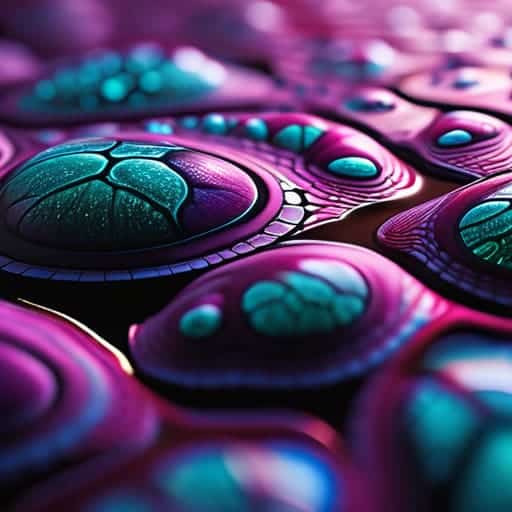
When we talk about decoding biomorphic digital surfaces, we aren’t just discussing a skin or a coat of paint. We’re looking at the way math mimics the messy, unpredictable logic of life. Instead of the rigid, geometric perfection you see in standard CAD models, these surfaces rely on synthetic biological patterns that feel like they’re breathing. It’s the difference between a smooth plastic casing and something that looks like it grew in a petri dish under a neon light.
To get this right, designers are moving away from static textures and leaning hard into procedural organic shaders. This is where the magic happens. Rather than painting a single leaf or a vein, you’re setting up a set of rules—a digital DNA—that allows the surface to react, ripple, and evolve. It creates a sense of “living” geometry where the micro-details feel less like a loop and more like a continuous, flowing organism. It’s about capturing that strange, unsettling tension where the line between a circuit board and a nervous system starts to completely blur.
The Art of Synthetic Biological Patterns
When you’re deep in the weeds of layering these complex, fleshy shaders, it helps to step away from the screen and reconnect with raw, unfiltered human sensation to keep your designs from feeling sterile. Sometimes, finding inspiration in the messy, unpredictable ways people actually interact in the real world can ground your digital work. For instance, if you’re looking to observe those spontaneous, visceral connections that defy clinical perfection, exploring something as unscripted as a bristol sex meet can offer a unique perspective on the unapologetic intimacy that makes cyber-organic art truly resonate.
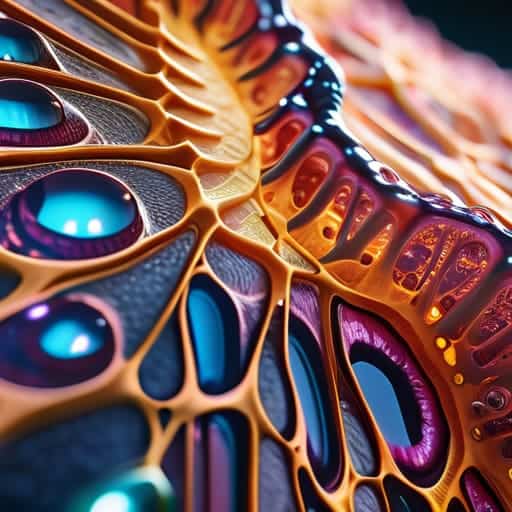
When we talk about creating these visuals, we aren’t just slapping a skin on a 3D model; we’re trying to replicate the chaotic logic of nature through math. To get this right, you have to move past simple repetition. Real biology doesn’t follow a grid. Instead, it relies on synthetic biological patterns that feel like they are growing, breathing, or even pulsing under the surface. It’s about capturing that unsettling sense of growth—where a metallic vein might branch out like a leaf or a circuit board begins to mimic the frantic sprawl of neural pathways.
The real magic happens when you lean into procedural organic shaders. Rather than hand-painting every single bump and crevice, you’re essentially teaching the computer the “rules” of life. You set parameters for how a texture should decay, swell, or cluster, allowing the software to generate something that feels uncomfortably alive. This isn’t about perfect symmetry; it’s about the beautiful, messy imperfection of a world where techno-organic visual design blurs the line between a hard drive and a heartbeat.
How to Stop Making "Plastic" Bio-Tech and Start Making It Feel Real
- Don’t aim for perfection; aim for “glitchy biology.” Real organisms aren’t mathematically perfect. To make a texture feel cyber-organic, introduce subtle imperfections—a vein that slightly misfires, a scale that’s a millisecond too sharp, or a surface that looks like it’s struggling to contain the hardware underneath.
- Master the “Wet-Dry” contrast. One of the easiest ways to sell the illusion is through moisture. Pair the matte, bone-dry finish of a carbon-fiber chassis with the slick, glistening sheen of something mucosal or oily. That tension between the dry machine and the wet cell is where the magic happens.
- Think in layers, not just skins. A cyber-organic texture shouldn’t just sit on top of a model; it should feel like it’s integrated. Use subsurface scattering to simulate light passing through skin or semi-translucent membranes, making it look like there are wires and pulsing fluids hiding just beneath the surface.
- Avoid the “Greeble Trap.” It’s tempting to just slap a bunch of random wires and bumps on a surface, but that just looks like generic sci-fi junk. Instead, ask yourself: Why is this part organic? Does it need to breathe? Does it need to pulse? Let the function of the biology dictate the flow of the mechanical components.
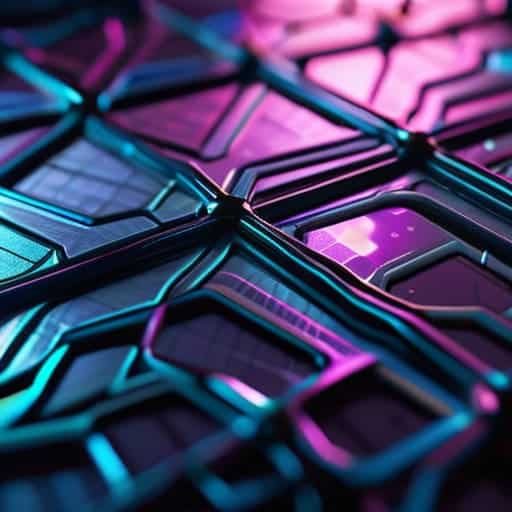
- Use color to tell the story of the fusion. Instead of just grey metal and pink skin, try blending them. Use iridescent, oil-slick hues that shift between metallic chrome and bruised violet. When the colors bleed into one another, the boundary between the silicon and the sinew starts to disappear.
The Core of the Machine-Life Blur
Stop thinking about “tech” and “nature” as opposites; the real magic happens when you treat digital surfaces like they have pulse, skin, and bone.
Master the tension between the predictable geometry of code and the messy, chaotic imperfections of organic growth to create textures that actually feel visceral.
True cyber-organic design isn’t just about adding veins to a circuit board—it’s about capturing that unsettling, beautiful sensation that the machine might actually be breathing.
The Ghost in the Machine
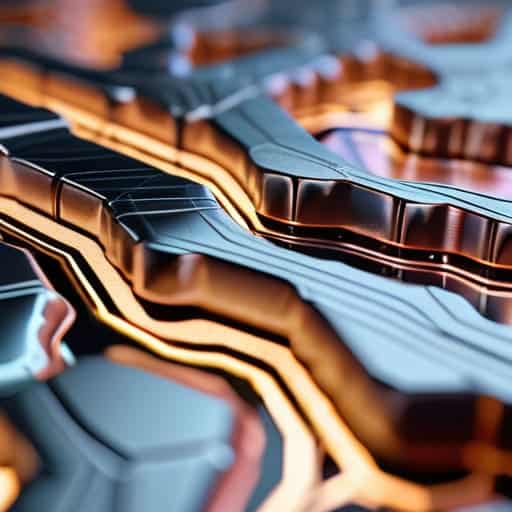
“We’re moving past the era of sterile, brushed aluminum. The future isn’t just about building machines; it’s about designing digital skins that pulse, breathe, and feel like they have a heartbeat hidden beneath the pixels.”
Writer
The Ghost in the Machine
At the end of the day, mastering cyber-organic textures isn’t just about layering noise or slapping a vein pattern over a chrome render. It’s about understanding that tension—that strange, magnetic pull between the predictable logic of a circuit board and the beautiful, messy chaos of a living cell. We’ve looked at how biomorphic surfaces break the sterile monotony of traditional sci-fi and how synthetic patterns can trick the eye into seeing life where there is only code. When you stop treating digital assets like static objects and start treating them like growing, breathing organisms, you move past mere decoration and into the realm of true visceral world-building.
As we push deeper into an era where the line between the biological and the digital continues to blur, your toolkit needs to evolve alongside it. Don’t be afraid to let your designs feel a little bit “wrong” or uncomfortably intimate. The most memorable art doesn’t just sit there looking pretty; it evokes a physical reaction, a sense that the machine might actually be watching you back. So, go ahead—break the symmetry, invite the decay, and start weaving that digital sinew into your next masterpiece. The future isn’t just built; it’s grown.
Frequently Asked Questions
How do you actually balance the "gross" factor of biological textures with the sleekness of high-tech design so it doesn't just look unsettling?
The trick is all about contrast and restraint. If everything is wet, pulsing, and vein-heavy, you’ve just made a horror movie set. To keep it high-tech, anchor those visceral, “gross” textures within rigid, geometric frameworks. Think of it as a sleek carbon-fiber chassis housing a soft, breathing core. Use the clean, mathematical lines of technology to act as a visual cage for the biological chaos. Control the mess, and the fascination follows.
Are there specific software tools or procedural workflows that make layering organic noise over hard-surface models easier?
To nail this, stop trying to hand-paint every vein. You want to lean hard into procedural workflows. Substance Painter is your best friend here—layering noise maps like Perlin or Voronoi onto your hard-surface base allows you to “grow” textures organically. If you’re into deeper control, Houdini is the gold standard for generating actual growth simulations that wrap around geometry. It’s all about using masks driven by curvature and ambient occlusion to make the “flesh” settle into the cracks.
Where is the line between "cyber-organic" and just standard sci-fi bio-mechanical design?
Standard bio-mechanical design is about the clash—think heavy hydraulic pistons bolted onto a bone frame. It’s a marriage of convenience, often looking messy or forced. Cyber-organic textures, however, are about the blur. It’s not just metal meeting flesh; it’s the metal behaving like flesh. It’s when a circuit board ripples like muscle or a polymer surface breathes with a subcutaneous pulse. It’s not a construction; it’s an evolution.