










Once upon a time, in a moment of wild ambition, I decided I was going to grow my own vegetables. I envisioned myself as a modern-day Thoreau, but with tomatoes. But my romantic daydreams were swiftly replaced by the cold, hard reality of raised bed gardening. It all started with a trip to the garden center, where I stood in the aisle squinting at bags of soil like they were written in ancient Sumerian. Did I need peat moss or perlite? And what on earth was a loam? In the end, I left with a cart full of random bags and an unsettling feeling that I’d just thrown money at something I didn’t understand. Little did I know, this was just the beginning of my descent into the hilarious chaos of raised bed gardening.
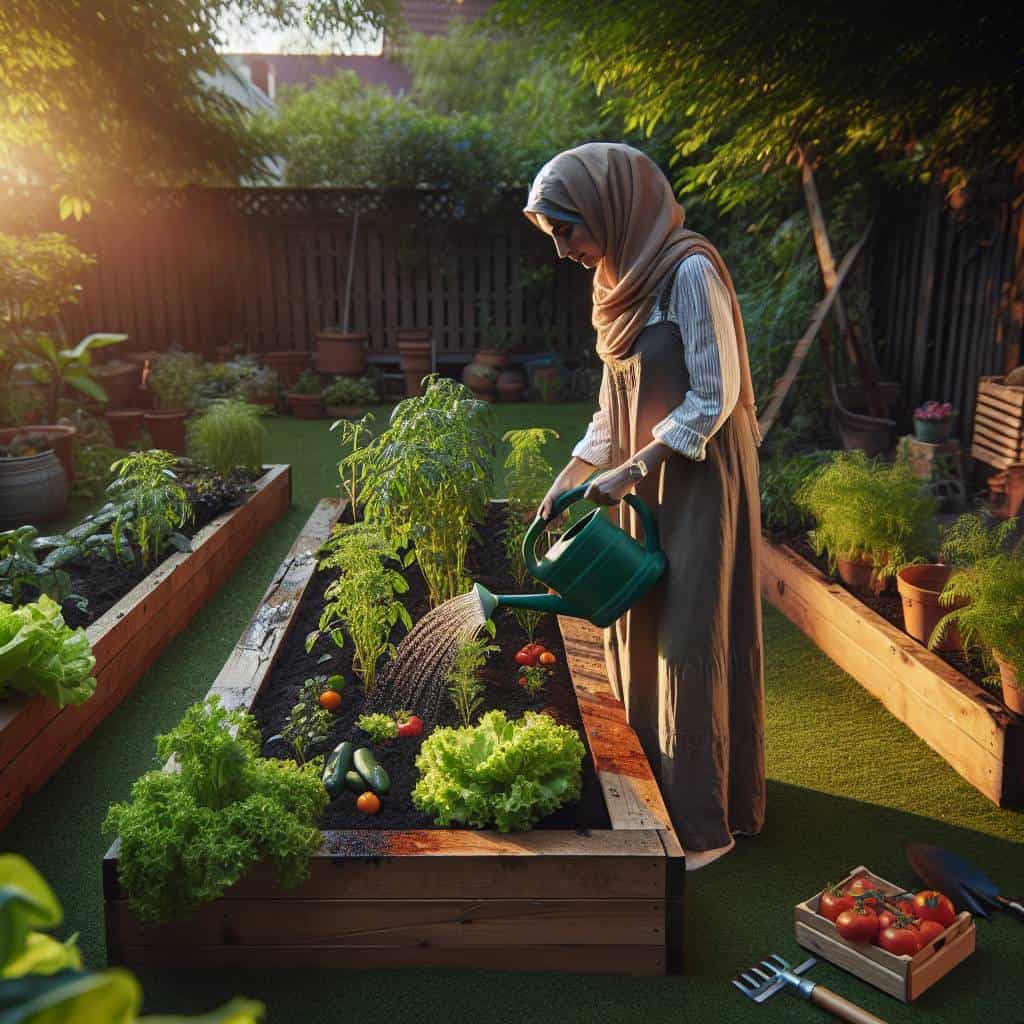
Now, my friend, if you’re still with me on this earthy escapade, let me promise you one thing: we’re in for a ride. I’m not here to hand you a step-by-step guide that reads like stereo instructions. No, we’re going to dive deep into the nitty-gritty of building frames, deciphering soil mixtures, and designing layouts that won’t make your plants look like they’re victims of a particularly clumsy abstract artist. We’ll tackle watering systems that do more than just flood your shoes, and together, we’ll transform confusion into a green-thumbed triumph—or at least a passable attempt at one. Ready to get your hands dirty? Let’s dig in.
Table of Contents
- The Great Soil Conundrum: Crafting Your Garden’s Foundation
- Soil: More Than Just Dirt Under Your Nails
- The Mixture Mystery: Balancing Act of Nutrients
- Wrangling the Wilderness: My Raised Bed Gardening Revelations
- Raised Bed Revelations: The Dirt on Gardening
- The Art of Cultivating Chaos
- Unearth Your Curiosities: Raised Bed Gardening FAQs
- The Unearthed Wisdom of Raised Bed Gardening
The Great Soil Conundrum: Crafting Your Garden’s Foundation
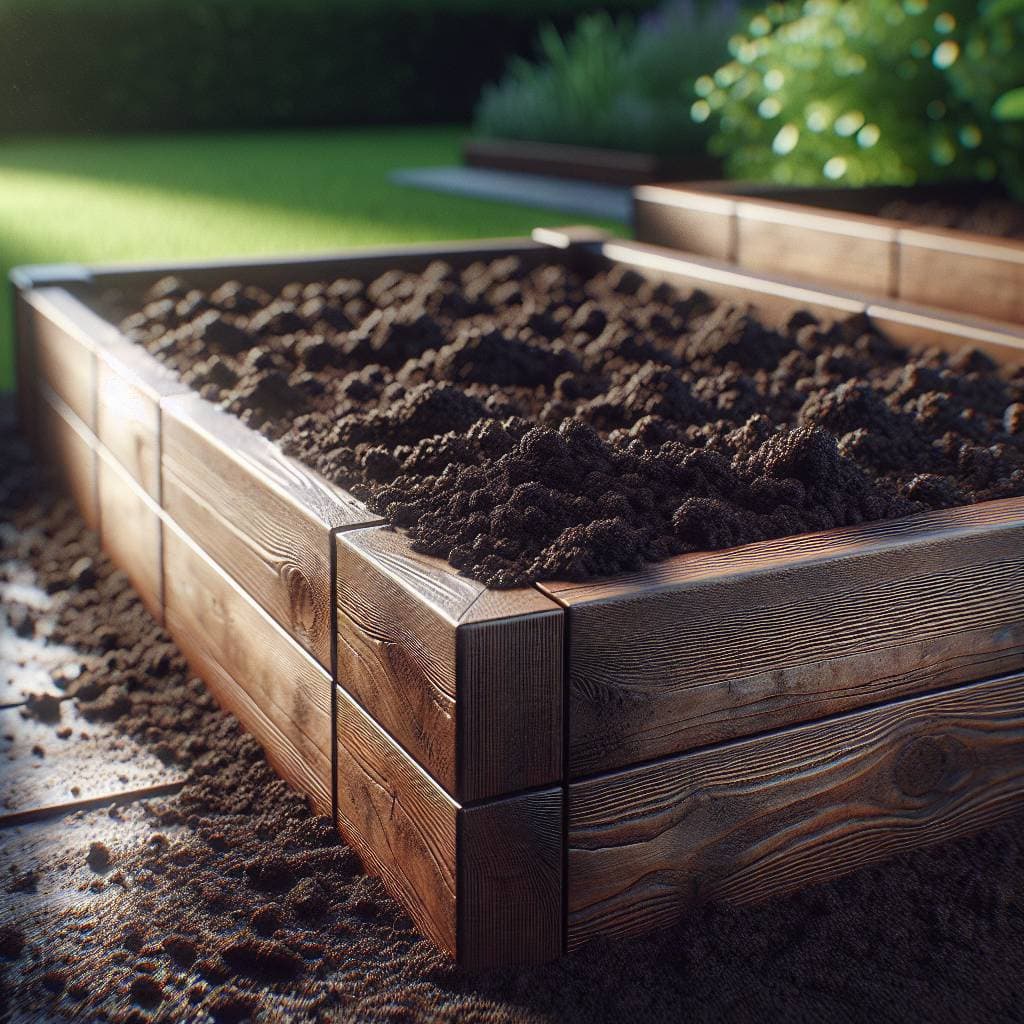
Ah, the great soil conundrum! It’s like the enigmatic puzzle cube of the gardening world. You’ve built your raised bed frame, perhaps out of recycled timber or some snazzy composite, and now you’re staring at the empty husk like a kid with a new toy and no batteries. The foundation of your dreams (or nightmares, depending on how things go) rests in the rich tapestry of soil you’ll craft. It isn’t just dirt; it’s the lifeblood of your garden. And trust me, the wrong mix can turn your verdant dreams into a horticultural horror show.
So, what’s the secret sauce for soil? Well, think of it as making a cake, but instead of flour and sugar, you’re juggling loam, compost, and a sprinkle of sand. You’re aiming for that Goldilocks zone—not too dense, not too loose. Loam is your base—think of it as the sponge layer—providing structure and drainage while retaining just the right amount of moisture. Then, add your organic matter, compost being the diva of the garden world, all rich and full of nutrients. Top it off with a pinch of sand for that extra drainage flair, and you’ve got yourself a soil mixture that’s ready to host a botanical party. The layout of your beds and the watering system you choose will dance in harmony with this earthy foundation, ensuring every plant gets its fair share of the good stuff.
But here’s the kicker: no one tells you that soil isn’t a one-time deal. It’s like a pet that demands regular attention. Test it, amend it, love it. Because in the end, the soil isn’t just the foundation of your garden; it’s the foundation of your gardening soul. And that, dear friends, is where the real adventure begins.
Soil: More Than Just Dirt Under Your Nails
Let’s face it—soil is like the unsung hero of your garden, quietly toiling away while the plants hog all the glory. Imagine soil as this bustling underground city, teeming with life forms that make a New York City subway look like a ghost town. We’re talking about billions of bacteria, fungi, and other microscopic critters throwing a perpetual block party under your feet. They break down organic matter, aerate the soil, and basically do all the heavy lifting. These underground dwellers are the reason your tomatoes don’t just sprout—they thrive. It’s like having a secret team of soil ninjas working tirelessly to make your garden dreams come true.
And let’s not forget the soil’s mysterious ability to hold and release water. Think of it as nature’s sponge—one that doesn’t come with a neon green scrubby side. The soil’s structure, with its intricate web of sand, silt, and clay, determines how well it drains, how much nutrients it holds, and how well it supports those tender roots. It’s not just dirt; it’s an entire ecosystem in a handful. So next time you dig your hands into the garden, give a nod to the unsung complexities lurking beneath your nails. Because without this silent collaborator, those vibrant blooms and juicy veggies wouldn’t stand a chance.
The Mixture Mystery: Balancing Act of Nutrients
Picture this: you’re in the garden, hands deep in the soil, and you realize that what you’re holding isn’t just dirt—it’s a cocktail of life. Yeah, I’m talking about the nutrient balance, that elusive dance between nitrogen, phosphorus, and potassium that keeps your plants singing. Think of it as trying to perfect a recipe where every ingredient matters, but the measurements are an unsolvable riddle. Too much nitrogen, and you’ve got leafy greens with no fruit; too little, and your plants look like they’ve spent a week in a cave. It’s a balancing act akin to juggling flaming torches while riding a unicycle—thrilling, a bit dangerous, and absolutely essential.
But here’s the kicker: no two plots of land are the same. One garden might crave a bit more potassium to perk up its blooms, while another might need a phosphorus boost to root down and get cozy. This is where your inner mad scientist gets to shine. Test your soil and decode its secrets, because the best gardeners aren’t just planters; they’re sleuths in sun hats, constantly tweaking and tuning their soil symphony to hit just the right note. And when you finally get it right, when the flowers bloom and the veggies thrive, that’s the moment you know you’ve cracked the mixture mystery.
Wrangling the Wilderness: My Raised Bed Gardening Revelations
- First things first, embrace the chaos and build yourself a sturdy frame—remember, it’s not just a garden bed; it’s a fortress against the unruly forces of nature.
- Let’s talk dirt—your soil mixture needs to be as complex as a fine wine, so mix it like a mad scientist with compost, peat, and a dash of perilous curiosity.
- Layout is the art of dodging future regret, so sketch your plant positions like you’re planning a heist—precision now saves heartache later.
- Watering isn’t just a chore; it’s a delicate dance. Set up a system that’s more reliable than your morning coffee routine, or watch your plants stage a revolt.
- Finally, remember that gardening is a journey of discovery, where every mistake becomes a chapter in your horticultural memoir—so dig deep and trust the process.
Raised Bed Revelations: The Dirt on Gardening
Forget perfect plans—your raised bed will morph as you and your plants battle the elements. Embrace the chaos and remember, even a crooked frame can yield a bounty.
Soil, glorious soil—your true garden partner. Spend more on the right mix than on fancy tools. Trust me, your veggies will sing (or sprout) in gratitude.
Watering is an art, not a science. Install an irrigation system if you value your sanity, or prepare to become intimately acquainted with your hose at odd hours.
The Art of Cultivating Chaos
Starting a raised bed vegetable garden is less about the perfect soil mixture and more about embracing the dance of dirt and dreams. Your frame might be sturdy, but it’s the willingness to adapt your layout with each rainstorm that makes your garden flourish.
Unearth Your Curiosities: Raised Bed Gardening FAQs
What’s the best way to build a frame without losing my sanity?
Ah, the frame—the skeleton of your garden dreams. Start by channeling your inner carpenter. Use untreated wood if you can, like cedar or redwood, because who wants chemicals leaching into their veggies? Measure twice, cut once, and remember: no frame is perfect. Embrace the wonkiness as a testament to your DIY spirit.
How do I concoct the perfect soil mixture that won’t doom my plants?
The secret sauce of gardening is in the dirt, my friends. Aim for a mix of one-third topsoil, one-third compost, and one-third something to aerate—like perlite or vermiculite. Stir it like a witch’s brew and don’t be afraid to get your hands dirty. Your plants will thank you with their verdant gratitude.
Is there a watering system that won’t turn my garden into a swamp?
Over-watering is the gardening equivalent of texting your crush too much—enthusiastic but disastrous. Opt for a drip irrigation system if you can, or a soaker hose. These methods ensure your plants sip, rather than chug, their water. Remember, moderation is key; you want moist, not marshland.
The Unearthed Wisdom of Raised Bed Gardening
As I stand back and admire my handiwork, the raised bed garden feels like a metaphor for life itself—an endless cycle of trial and triumph, dirt under my nails, and the satisfaction of seeing something grow from nothing. It’s funny how a simple frame filled with soil can become the canvas for a symphony of life, each plant a note, and each weed a discordant whisper, reminding me that perfection is an illusion. Funny, too, how a bit of compost and a splash of water can be the difference between a lush haven and a barren plot of earth.
Gardening, like anything worth doing, is about embracing the chaos and finding your rhythm amidst the madness. I’ve learned to respect the stubbornness of roots and the unpredictability of weather. And in those moments when the layout seems more like a battlefield than a garden, I remember that this patch of earth is a testament to resilience and patience. In the end, the real harvest is not just the juicy tomatoes or the crisp lettuce, but the stories etched in soil and sweat. As my fingers trace the edge of the garden’s frame, I know this is just the beginning of many more seasons to come.