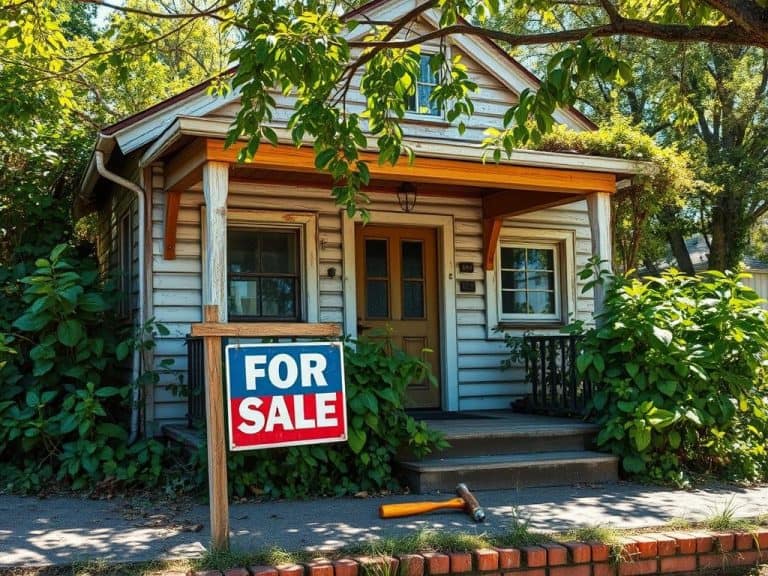










Buying a home is a big deal, filled with excitement and worry. I remember standing outside my future home, feeling both thrilled and overwhelmed. The ocean of choices for home mortgage options was daunting.
I wondered, what type of loan should I choose? How would it affect my financial future? These questions echoed in my mind, showing how important it is to understand financing options.
As I explored loan types, I learned about conventional, jumbo, and government-backed loans. Each has its own benefits and requirements, fitting different financial situations. I realized that with the right guidance, I could find a mortgage that suits me now and helps me in the future.
Let’s dive into the various home mortgage options together. This way, we can make informed decisions in this important part of life.
Key Takeaways
- Understanding different home mortgage options is vital for making informed decisions.
- Conventional loans are popular due to lower down payment requirements.
- Jumbo loans cater to higher-priced homes, requiring stronger credit scores.
- Government-backed loans offer more flexible terms for various borrower needs.
- Fixed-rate mortgages provide stability for long-term homeowners.
- Adjustable-rate mortgages may be beneficial for shorter stays.
Types of Home Mortgage Options
Understanding the different loan types is key when looking for home financing. Each loan has its own features and needs, fitting various financial situations. Let’s look at three main types: conventional loans, jumbo loans, and government-backed loans.
Conventional Loans
Conventional loans are a top pick for many homebuyers, needing a good credit score. A score of 620 is usually the minimum. These loans come in two types: conforming and non-conforming.
Conforming loans follow Fannie Mae and Freddie Mac’s limits. Non-conforming loans, like jumbo loans, go beyond those limits. First-time buyers can put down as little as 3% to lower their monthly payments.
Jumbo Loans
Jumbo loans are for homes worth more than $726,200. They need a credit score of 700 or higher and a down payment of 10% to 20%. These loans are key for buying expensive homes in pricey areas.
Knowing about jumbo loans helps me aim for luxury homes without being stuck by usual financing rules.
Government-Backed Loans
Government-backed loans help many buyers, including those with lower incomes or credit issues. FHA loans start at a 580 credit score and need only a 3.5% down payment. VA loans are for veterans and active-duty military, with no down payment needed.
USDA loans are for rural areas, also with no down payment. These loans make buying a home easier for more people.
Key Considerations When Choosing Home Mortgage Options
When picking home mortgage options, several key factors matter. These factors affect how affordable and suitable a loan is. It’s important to know my financial situation and how these elements work together.
Credit Score and Down Payment
A good credit score is key for better loan terms and lower interest rates. Lenders see a high credit score as a sign of financial stability. This can impact the down payment needed.
Conventional loans usually require a 20% down payment to avoid extra insurance costs. But, government-backed loans like FHA and VA offer lower down payments. These can be as little as 3.5% or even zero for some.
Loan Term and Interest Rates
The loan term I choose affects my monthly budget a lot. Loan terms range from 10 to 30 years. Choosing a shorter term means paying less interest but more each month. This helps build home equity faster.
It’s also important to understand the difference between fixed-rate and adjustable-rate mortgages. Fixed-rate mortgages have steady interest rates, keeping payments the same. Adjustable-rate mortgages start with lower rates but can change, possibly increasing costs later.
Thinking about my long-term plans and current finances helps choose the best option.

Conclusion
Understanding the best home mortgage options is key for anyone looking to finance their future home. I’ve learned about different loans, from conventional to government-backed. It’s important to know my financial situation and find the right loan for me.
When choosing a mortgage, I must think about loan terms and interest rates. These can change a lot between lenders. I have options like fixed-rate and adjustable-rate mortgages to consider. Programs for first-time buyers can also help with costs.
As I move towards owning a home, I aim to make smart choices. Knowing about financing helps me find the best mortgage for me. I’m ready to navigate the mortgage world and make the right choice.