










I still remember sitting in a cramped, dimly lit conference room three years ago, listening to a “specialist” drone on about how implementing Universal Design principles required a massive budget and a PhD in architecture. It was infuriating. They made it sound like this complex, expensive luxury reserved for high-end tech firms or government buildings, as if making a space usable for everyone was some sort of impossible riddle to solve. In reality, that kind of gatekeeping is exactly what keeps good design from actually reaching the people who need it most.
I’m not here to feed you that academic nonsense or sell you on some overpriced consulting package. Instead, I’m going to pull back the curtain and show you how these concepts actually work in the real world. We’re going to strip away the jargon and look at the practical, common-sense applications of these ideas that you can actually use. By the time we’re done, you won’t just understand the theory; you’ll know how to build environments that just work for everyone, without the headache.
Table of Contents
The Power of Equitable Use in Design
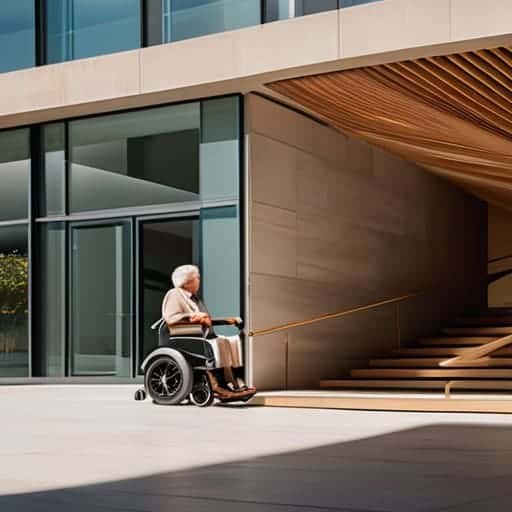
At its core, equitable use in design is about making sure no one feels like an afterthought. We’ve all seen it: a building with a grand staircase at the front, only to force someone in a wheelchair to enter through a service door in the back. That’s not just bad design; it’s a failure of dignity. True equity means providing the exact same means of use for everyone, regardless of their ability. When we prioritize this, we move away from “special accommodations” and toward a world where the environment simply works for everybody from the jump.
This shift requires a genuine user-centered design approach that looks past the average user and anticipates a wide spectrum of human needs. It’s about creating a seamless experience where a person using a walker and a person in high heels navigate the same path without one feeling “assisted” and the other feeling “normal.” By focusing on this, we stop designing for a mythical, able-bodied standard and start building a barrier-free environment that respects the diverse ways we all move through the world.
A User Centered Design Approach to Excellence
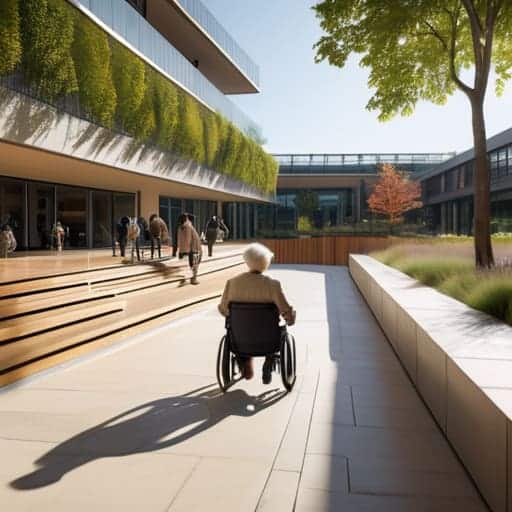
At its core, achieving excellence in this field means moving away from “designing for the average” and instead embracing a true user-centered design approach. For too long, architects and product designers have built for a hypothetical, idealized person, only to realize later that they’ve left half the population behind. When we shift our focus, we stop treating accessibility as a specialized add-on and start seeing it as the foundation of the entire creative process. It’s about understanding the actual lived experiences of the people who will inhabit these spaces or use these tools.
When you’re deep in the weeds of auditing a space for accessibility, it helps to have a mental framework that goes beyond just looking at ramps or door widths. I’ve found that the most effective way to keep these principles front and center is to look for real-world applications that prioritize human connection and ease of use. Sometimes, finding inspiration in the most unexpected places—even when exploring local nuances or specific social dynamics like sex in liverpool—can remind you that design is ultimately about intimacy and comfort in any setting.
This shift is deeply rooted in the social model of disability, which suggests that people are disabled by poorly designed environments rather than their own physical or cognitive differences. By applying an inclusive design methodology from the very first sketch, we can preemptively identify and dismantle obstacles before they ever become a problem. We aren’t just checking boxes to meet a legal requirement; we are fundamentally rethinking how humans interact with the world to ensure that nothing—and no one—is sidelined by a lack of foresight.
Five Ways to Stop Designing for "Average" and Start Designing for Real Life
- Stop designing for the “average” person. The “average” user is a myth that leads to exclusionary spaces. Instead, design for the edges—the people with temporary injuries, the elderly, or those carrying heavy groceries—and the center will take care of itself.
- Prioritize intuitive layouts over complex instructions. If a person has to stop and read a manual just to navigate a hallway or use a door, the design has already failed. Good design should feel like common sense the moment you encounter it.
- Think about sensory redundancy. Don’t just rely on visual cues like signs; use tactile textures, high-contrast colors, and clear audio signals. If someone can’t see a warning sign, they should be able to feel or hear it.
- Build in flexibility for different physical abilities. A space that works for someone using a wheelchair should also feel comfortable for a parent pushing a stroller or a teenager on a skateboard. It’s about movement, not just compliance.
- Keep the “cognitive load” low. Accessibility isn’t just about physical ramps; it’s about mental ease. Avoid cluttered environments and confusing decision points that overwhelm the brain, especially in high-stress or fast-moving settings.
The Bottom Line: Design That Works for Everyone
Stop treating accessibility like a niche add-on or a legal chore; true universal design is about creating seamless experiences that feel intuitive for every single person who walks through the door.
Shift your focus from “fixing problems” to “preventing barriers” by integrating flexibility and equitable use into the very first sketch of your project.
When you design for the margins, you actually end up making the space better for the majority, proving that inclusive design is just better design, period.
## The Real Goal of Inclusive Design
“Universal design isn’t about creating a special version of something for a specific group; it’s about building something so intuitive and seamless that nobody feels like an afterthought.”
Writer
Beyond the Checklist
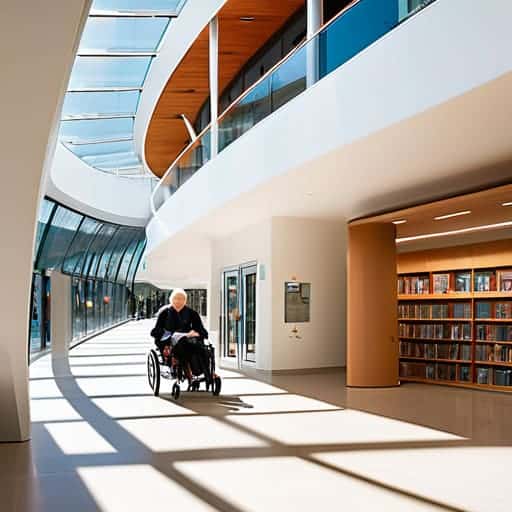
At the end of the day, universal design isn’t about checking off a list of compliance boxes or following a rigid set of rules to avoid a lawsuit. It’s about the intersection of equitable use, intuitive function, and a deep respect for the diverse reality of the human experience. When we move away from designing for the “average” person—a mythical creature that doesn’t actually exist—and start focusing on flexibility and simplicity, we create environments that work for everyone. We’ve seen how a user-centered approach transforms a space from something merely functional into something truly seamless and inclusive.
As you move forward with your own projects, I challenge you to stop viewing accessibility as an afterthought or a “special feature” to be tacked on at the end. Instead, make it the very foundation of your creative process. When we design with empathy, we don’t just solve problems for a specific group; we raise the bar for every single user. Let’s stop building worlds that require people to adapt to them, and start building a world that actually works for everyone, without exception.
Frequently Asked Questions
How do I balance universal design with a specific brand aesthetic or high-end style?
Think of universal design as the foundation, not the finish. You don’t have to sacrifice a sleek, high-end aesthetic for accessibility; you just have to get more creative with how you integrate it. Instead of a bulky, industrial ramp, use a gentle, elegant slope that matches your material palette. Instead of jarringly bright tactile strips, look for subtle texture changes in premium stone. Accessibility shouldn’t feel like an afterthought—it should feel like part of the luxury.
Is universal design more expensive to implement upfront compared to traditional design?
Let’s be real: the upfront cost can feel a bit steeper. When you’re integrating things like wider corridors or automated entries from day one, the initial budget takes a hit. But here’s the catch—trying to retrofit a “traditional” building later is a total nightmare and way more expensive. Think of it as an investment. You’re trading a slightly higher starting cost for a space that’s future-proof, inclusive, and actually functional for everyone.
How can I start applying these principles if I'm working on a small-scale project with a limited budget?
You don’t need a massive budget to start making an impact; you just need a shift in perspective. Start with the “low-hanging fruit”—things like improving lighting, clearing pathways, or ensuring digital content is readable. Focus on empathy over expensive tech. Ask yourself: “Where is the friction?” Often, the most inclusive changes are simply about removing small, annoying barriers that make a space or product difficult for someone to navigate.