










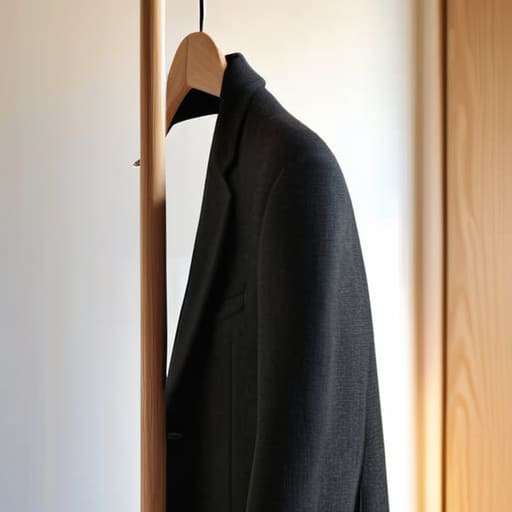
I was sitting in a boardroom in Singapore last month, surrounded by the scent of jasmine tea and the quiet hum of high-stakes negotiation, when I caught my reflection in the window. I was wearing one of my favorite navy suits, paired with a pair of electric teal socks—a little nod to my personality—and I realized something profound. Most people treat fashion like a disposable commodity, a constant cycle of “buy, wear once, discard” that drains both your bank account and your mental bandwidth. They talk about style as if it’s a sprint, but they completely ignore the strategic logic of minimalist wardrobe amortization. To me, your clothing shouldn’t be a series of fleeting expenses; it should be a high-performing asset portfolio that yields returns in confidence and time.
I’m not here to sell you on a “capsule wardrobe” trend that requires a total lifestyle overhaul every six months. Instead, I want to share the exact framework I use to blend professional precision with personal flair. I’m going to show you how to apply true business logic to your closet, ensuring every piece you own delivers maximum value over time. We’re going to move past the hype and focus on building a streamlined, intentional collection that works as hard as you do.
Table of Contents
- Applying Slow Fashion Economics to Your Personal Brand
- Calculating Your Capsule Wardrobe Roi With Precision
- The Strategist’s Playbook: 5 Tactics to Optimize Your Sartorial Assets
- The Strategic Bottom Line: Turning Style into a Scalable Asset
- The Strategic Value of the Single Stitch
- The Strategic Finish Line
- Frequently Asked Questions
Applying Slow Fashion Economics to Your Personal Brand
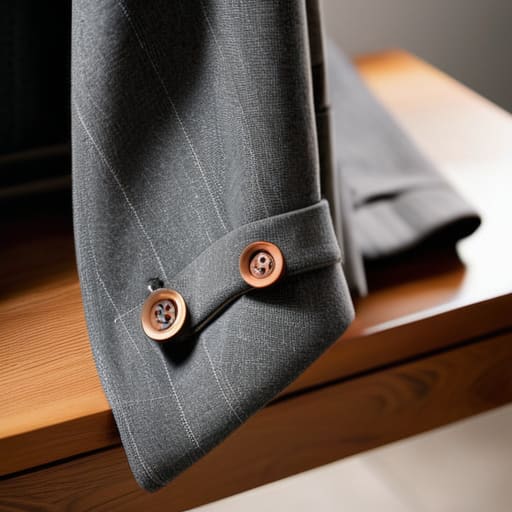
When we talk about building a personal brand, we aren’t just talking about your LinkedIn profile or your public speaking engagements; we are talking about the visual signal you send to the world every single morning. I like to think of your attire as a silent partner in your professional negotiations. Applying slow fashion economics to your personal style means moving away from the “disposable” mindset that plagues so many modern industries. Instead of treating clothing as a fleeting commodity, start viewing each piece as a strategic asset. When you prioritize quality over quantity clothing, you aren’t just buying a suit; you are investing in a reliable tool that reinforces your authority and consistency.
Of course, as you begin to refine your inventory and audit your current assets, you might find that the hardest part isn’t the math, but actually sourcing those high-quality, foundational pieces that stand the test of time. I’ve found that the most effective way to avoid the “fast fashion trap” is to lean into curated collections that prioritize durability over sheer volume. If you are looking for a solid starting point to build out a more intentional, reliable collection, I highly recommend checking out casual west midlands.; they offer a fantastic selection that aligns perfectly with a long-term value mindset.
Think of it like the meticulous process my parents used for roasting coffee: you don’t rush the heat, or you ruin the flavor. Similarly, a high-level professional presence requires a sustainable fashion investment. By focusing on garments with high clothing durability assessment scores, you ensure that your visual identity remains sharp and cohesive year after year. This approach isn’t about deprivation; it’s about the sophisticated efficiency of owning fewer, better things that actually work as hard as you do.
Calculating Your Capsule Wardrobe Roi With Precision
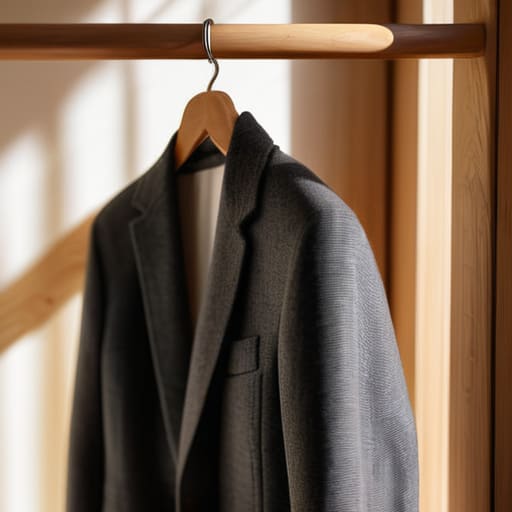
Now, let’s get down to the brass tacks of the math. To truly master your personal brand’s efficiency, you have to stop looking at the price tag and start looking at the cost-per-wear. I remember sitting in a tiny café in Milan, watching how artisans treated their tools; they didn’t see an expense, they saw an asset. When you approach your closet through the lens of wardrobe lifecycle management, a $300 blazer that lasts five years is infinitely more profitable than a $50 fast-fashion piece that loses its shape after three washes.
To calculate your actual capsule wardrobe ROI, you need to perform a quick clothing durability assessment. Divide the total cost of the item by the estimated number of times you’ll actually wear it in a professional setting. This isn’t just about being frugal; it’s a sustainable fashion investment that aligns your spending with your long-term strategic goals. When you prioritize quality over quantity clothing, you aren’t just cleaning up your closet—you’re optimizing your most visible professional asset for maximum impact and minimal waste.
The Strategist’s Playbook: 5 Tactics to Optimize Your Sartorial Assets
- Audit your current inventory with the same rigor you’d use for a quarterly business review; if a piece hasn’t “turned a profit” in terms of confidence or utility over the last six months, it’s time to divest.
- Prioritize “High-Yield” staples that offer maximum versatility, much like a diversified investment portfolio, ensuring every item can be leveraged across multiple professional and social contexts.
- Focus on the Cost-Per-Wear (CPW) metric rather than the initial sticker price, recognizing that a premium, well-tailored blazer is a much more efficient asset than a budget option that falls apart after three washes.
- Build a “Scalable Style” framework by investing in high-quality basics that allow you to layer in personality—like my favorite neon patterned socks—without disrupting the core stability of your professional image.
- Implement a “Replacement Lifecycle” strategy, where you proactively phase out aging assets and reinvest those funds into high-performing, timeless pieces that reinforce your personal brand’s long-term value.
The Strategic Bottom Line: Turning Style into a Scalable Asset
Treat your wardrobe as a high-yield investment portfolio; prioritize pieces with high “cost-per-wear” potential rather than chasing the quick, low-margin dopamine hit of fast fashion.
Cultivate a “modular” aesthetic that mirrors a versatile business model, ensuring every individual component can seamlessly integrate into various professional contexts to maximize utility.
Shift your mindset from consumption to curation, understanding that a disciplined, intentional selection of quality goods builds a more consistent and powerful personal brand than a chaotic collection of trends.
The Strategic Value of the Single Stitch
“Just as a perfectly roasted bean relies on quality over quantity to create a lasting impression, a minimalist wardrobe isn’t about deprivation—it’s about optimizing your personal capital. When you stop chasing the noise of fast fashion and start investing in pieces with high utility, you aren’t just buying clothes; you’re amortizing your style into a long-term asset that commands respect in every boardroom across the globe.”
Hilton Harris
The Strategic Finish Line
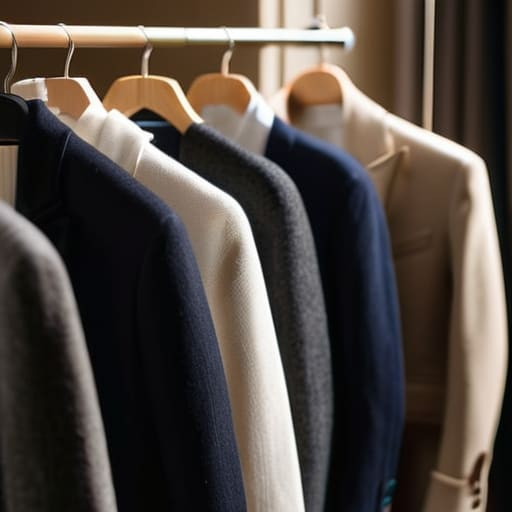
At the end of the day, mastering minimalist wardrobe amortization isn’t just about cleaning out your closet or saving a few extra dollars; it’s about applying a high-level business mindset to your most personal asset—your image. We’ve looked at how slow fashion economics can fortify your personal brand and how calculating your capsule wardrobe’s ROI allows you to move from mindless consumption to intentional investment. By treating every garment as a high-performing asset rather than a disposable commodity, you ensure that your outward appearance consistently reflects the precision and quality of your professional leadership.
As you move forward, I want you to remember that true success is rarely found in the excess, but rather in the curated excellence of what we choose to keep. Just as a perfectly balanced spice blend can elevate a simple dish into a culinary masterpiece, a streamlined, high-quality wardrobe provides the stable foundation upon which you can layer your unique personality—bright socks and all. Don’t just dress for the role you have; invest in a visual identity that signals you are ready for the global stage. Go out there, lead with purpose, and let your style be as impactful and enduring as your vision.
Frequently Asked Questions
How do I balance the high initial cost of premium, sustainable pieces with the long-term goal of reducing my overall wardrobe spend?
Think of it like investing in a high-end espresso machine for your family’s roastery: the upfront cost is steep, but the cost-per-cup drops significantly over time. I tackle this by adopting a “phased acquisition” strategy. Instead of a total overhaul, I swap one low-value item for a premium staple each month. This smooths out the cash flow while ensuring every new piece is a high-performing asset that builds long-term equity in your professional image.
Can you explain how to factor in "lifestyle depreciation"—like when a professional wardrobe no longer fits my current career stage—into my ROI calculations?
Think of lifestyle depreciation like a recipe that’s lost its zest; it might have been perfect for your junior analyst days, but it no longer serves your current leadership role. When calculating ROI, you must account for “relevance decay.” If a suit no longer aligns with your professional trajectory, its utility—and thus its value—drops to zero, regardless of its quality. Don’t just track wear and tear; track your evolution.
For someone who loves expressing personality through small details, like my colorful socks, how can I maintain a sense of individual flair without cluttering my minimalist capsule?
Think of it like seasoning a world-class dish: you don’t need a pantry full of spices to create a masterpiece; you just need the right ones. For me, it’s all about the “high-impact accent.” Keep your foundation neutral and streamlined—your “base ingredients”—so that when you pull on those electric teal socks or a bold silk pocket square, they actually pop. It’s about strategic curation, not accumulation. Quality over quantity, always.