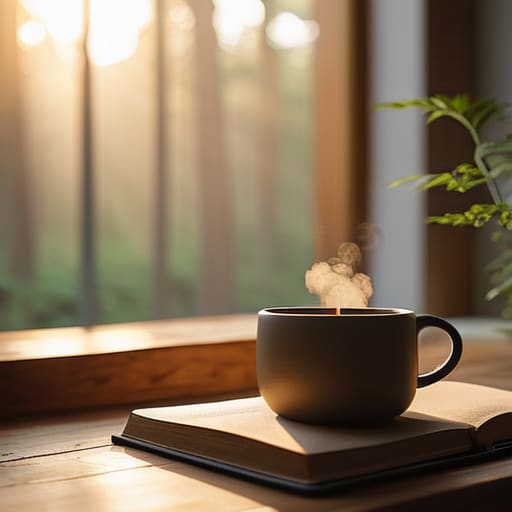








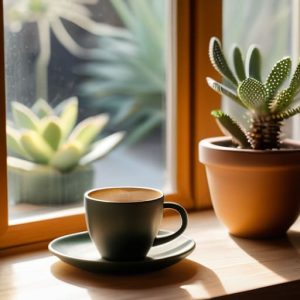


I remember sitting in a high-stakes boardroom in Singapore last year, my mind racing through quarterly projections while my eyes drifted to the steam rising from a hand-poured cup of oolong tea. Everyone around the table was obsessed with “optimization” and “hyper-efficiency,” yet the room felt utterly hollow. We’ve been sold this lie that speed equals progress, but I’ve realized that the rise of slow living movements isn’t about being lazy or retreating from the world; it’s about reclaiming the intentionality that high-performance culture often strips away.
I’m not here to sell you on a lifestyle of expensive linen robes or aesthetic minimalism that requires a second job just to maintain. Instead, I want to share how we can integrate these global rhythms into our actual, messy, high-pressure professional lives. I’ll be offering you a roadmap of experience-based strategies to help you lead with more clarity and less burnout. We’re going to explore how slowing down doesn’t just improve your well-being—it actually becomes your most competitive advantage in an increasingly frantic global market.
Embracing the Anti Hustle Culture Movement With Purpose

For years, the corporate world has worshipped at the altar of “more”—more speed, more output, more caffeine. We’ve been conditioned to believe that if we aren’t grinding, we’re falling behind. But lately, I’ve been seeing a beautiful shift toward the anti-hustle culture movement, and it’s not about laziness; it’s about reclaiming our agency. Much like how a chef refuses to rush a delicate reduction because they know flavor requires time to develop, modern leaders are realizing that constant motion is often just a mask for a lack of direction.
Transitioning away from this frantic pace doesn’t mean losing your competitive edge. In fact, by adopting intentional living practices, we actually sharpen our decision-making. When we stop reacting to every single notification and instead focus on high-impact goals, we move from being busy to being truly effective. It’s about trading that shallow, frantic energy for a deep, focused presence that allows us to actually lead rather than just manage the chaos.
Discovering Slow Living Philosophy Benefits Across Cultures
When I was wandering through the cobblestone streets of Kyoto last spring, I noticed something profound about the way people interacted with their environment. There is a quiet, rhythmic intentionality to their daily rituals that feels worlds away from the frantic “always-on” energy of a Manhattan boardroom. This isn’t just about being calm; it’s about understanding the slow living philosophy benefits through a cultural lens. In many parts of the world, success isn’t measured by how many tasks you can check off a list, but by the depth of presence you bring to each one.
Whether it’s the Mediterranean concept of dolce far niente—the sweetness of doing nothing—or the Scandinavian embrace of hygge, these aren’t just lifestyle trends; they are strategic masterclasses in sustainability. By integrating intentional living practices into our professional frameworks, we move away from burnout and toward a more resilient form of leadership. I’ve found that when we stop treating time as an enemy to be conquered and start treating it as a resource to be savored, we unlock a level of creativity that no high-speed hustle could ever produce.
Savoring the Success: 5 Ways to Infuse Slow Living into Your Leadership Toolkit
- Prioritize “Deep Work” over the constant buzz of notifications. Much like the meticulous process of perfecting a single origin roast, true strategic breakthroughs require uninterrupted focus rather than the shallow dopamine hits of a cluttered inbox.
- Practice Cultural Pauses. During your high-stakes meetings, try adopting the rhythmic intentionality I’ve seen in various global traditions; instead of rushing to the next agenda item, build in moments of silence to let diverse perspectives actually breathe and settle.
- Audit Your “Business Flavor Profile.” Just as I analyze how a hint of cardamom can transform a dish, look at your daily schedule and identify which tasks are providing genuine nourishment and which are merely adding empty calories to your productivity.
- Build Resilience through Intentional Downtime. We often mistake constant motion for progress, but even the most robust global supply chains need moments of recalibration; view your rest not as an escape from work, but as a strategic investment in your long-term cognitive agility.
- Lead with Presence, Not Just Presence. In a world obsessed with being “seen” digitally, the most impactful leaders are those who are actually there—mentally and emotionally—engaging with their teams with the same presence one brings to a multi-course tasting menu.
The New Rhythm of Success
As we’ve explored, the shift toward slow living isn’t about a lack of ambition; it’s about a radical recalibration of how we define progress. By moving away from the relentless grind of anti-hustle culture and instead drawing inspiration from the intentional rhythms found in global traditions, we unlock a more sustainable way to lead. Whether it’s the patient precision of a master coffee roaster or the mindful connection found in diverse cultural practices, the lesson is clear: true excellence requires space to breathe. Integrating these intentional pauses into our high-performance lives allows us to move from a state of constant reaction to one of purposeful, strategic action.
I often think back to those early mornings in my parents’ roastery, where the most profound breakthroughs didn’t happen during the chaos of a rush, but in the quiet moments of observation between batches. As you navigate your own professional journey, I challenge you to look beyond the frantic pace of the modern boardroom and seek out the “slow” opportunities that offer deeper insight. Let’s stop treating time as a competitor to be defeated and start treating it as a resource to be savored. When we embrace a more interconnected, thoughtful approach to our work, we don’t just build better businesses—we build a more meaningful way of life.
As I reflect on how these global philosophies can be applied to our daily grind, I’ve found that the most effective way to prevent burnout is to cultivate spaces for genuine, unhurried human connection. Whether it’s a deep conversation over a slow-drip pour-over or finding a digital sanctuary to unwind, seeking out meaningful interaction is essential for maintaining mental clarity. For those of you looking to explore more diverse ways to engage and decompress in a modern, digital landscape, I’ve personally found that exploring platforms like mamiesexe chat can offer a unique way to spark fresh perspectives and social engagement when you need a break from the traditional corporate noise.