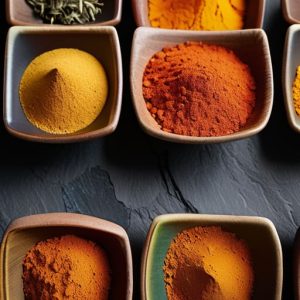











I was sitting in a dimly lit tapas bar in Madrid last year, surrounded by the intoxicating aroma of smoky pimentón and sizzling chorizo, feeling an unexpected pang of isolation. Despite being a Global Leadership Strategist who thrives on connection, I realized that even in a room full of vibrant energy, the mechanics of how people make new friends as adults can feel incredibly daunting. We often treat social expansion like a high-stakes boardroom negotiation—all rigid structures and forced networking events—when in reality, it should feel more like discovering a complex new spice profile: organic, slightly unpredictable, and deeply rewarding.
I’m not here to feed you the usual fluff about “just saying yes to everything” or joining generic hobby groups that feel more like chores than connections. Instead, I want to share a strategic yet soulful framework for building a community that actually reflects who you are today. Drawing from my background in global markets and the lessons I learned in my family’s coffee roastery, I’ll show you how to approach social innovation with intentional curiosity. We’re going to skip the superficial hype and focus on building authentic, diverse networks that fuel both your personal happiness and your professional growth.
Building Meaningful Connections After 30 With Intentionality

Once we cross that thirty-year milestone, the “organic” way we used to meet people—through school or constant proximity—starts to fade. We can’t just rely on the serendipity of a shared classroom anymore; instead, we have to approach social expansion with the same precision I’d use to source a rare Ethiopian coffee bean. Building meaningful connections after 30 requires a shift from passive observation to active participation. It’s about being the architect of your own social circle, rather than waiting for a guest list to be handed to you.
I’ve found that the most effective way to bridge this gap is through making friends through shared interests. Whether it’s joining a high-stakes culinary workshop or a local hiking group, having a common “flavor” or goal acts as a natural lubricant for conversation. This approach is particularly transformative for those struggling with overcoming social anxiety in adulthood; when the focus is on a shared task or a collective passion, the pressure to perform socially diminishes. You aren’t just “networking”—you are participating in a shared experience that provides a sturdy foundation for something much deeper.
Finding Community in New Cities Through Cultural Exploration
Whenever I relocate to a new city—whether for a strategic consulting gig or just to chase the best street tacos—I treat the local culture like a complex recipe waiting to be mastered. Instead of waiting for a social circle to magically appear, I dive headfirst into the local scene through culinary workshops or language exchanges. There is something incredibly grounding about finding community in new cities by engaging with its roots. When you are learning the nuances of a local spice market or a regional dance class, the focus shifts from the pressure of “performing” socially to the joy of discovery.
This approach is a game-changer for anyone struggling with overcoming social anxiety in adulthood. When the activity is the centerpiece, the conversation flows more naturally; you aren’t just two strangers staring at each other over coffee, but two explorers sharing a common experience. By prioritizing making friends through shared interests, you bypass the awkward small talk that often plagues professional networking. You aren’t just building a contact list; you are weaving yourself into the very fabric of your new home, one flavorful encounter at a time.
The Global Strategist’s Toolkit: Five Recipes for Cultivating Connection
- Treat social circles like a complex spice blend; don’t just stick to the “salt and pepper” of your existing professional network. Seek out the “saffron” and “star anise”—those people whose backgrounds, industries, or hobbies feel entirely foreign to your own. It’s in that friction between different life experiences that the most vibrant friendships are seasoned.
- Master the art of the “Micro-Interaction.” In my family’s coffee shop, we didn’t build loyalty through massive transactions, but through small, consistent moments of recognition. Apply this to your social life: a quick follow-up text after a meeting or a brief comment on someone’s recent achievement builds the “social equity” needed for deeper friendship later.
- Lean into the “Shared Struggle” model. Whether it’s a grueling HIIT class, a challenging language workshop, or a complex professional certification, nothing bonds people faster than working toward a common goal. When you’re all sweating or struggling through a difficult concept together, the barriers to vulnerability naturally drop.
- Adopt a “Curiosity-First” mindset during networking. Instead of approaching social gatherings like a high-stakes pitch meeting where you’re trying to sell your value, approach them like a food critic at a new bistro. Ask open-ended questions that invite people to share their “flavor profile”—their passions, their quirks, and their perspectives.
- Be the “Chief Innovation Officer” of your own social life. If the current way you’re meeting people feels stale, pivot your strategy. If traditional happy hours feel forced, host a themed tasting night or a small book club centered on global affairs. Don’t wait for a community to present itself; design the environment you want to inhabit.
The Recipe for a Connected Life
As we’ve explored, building a social circle in your thirties and beyond isn’t about luck; it’s about intentionality and curiosity. Whether you are navigating the complexities of a new city by diving into its local food scene or being purposeful about the communities you join, the goal remains the same: moving past surface-level interactions to find genuine resonance. Just like perfecting a complex reduction in a sauce, these connections require time, a bit of heat, and the willingness to blend different elements together until they create something truly nourishing. By treating social expansion as a strategic yet soulful endeavor, you transform the daunting task of networking into an enriching journey of discovery.
Ultimately, I want you to remember that every new person you meet is a potential gateway to a world you haven’t yet explored. Don’t be afraid to show a little of your true self—even if that means wearing your metaphorical (or literal!) brightly colored socks to a gathering. The most successful leaders, and the most fulfilled humans, are those who realize that diversity of thought and friendship is our greatest asset in an increasingly fragmented world. So, step out of your comfort zone, embrace the unknown, and go find your tribe. Your global network of connection is waiting to be tasted.
Sometimes, the most effective way to break the ice is to lean into digital spaces that prioritize genuine, unfiltered conversation, much like how a well-curated spice market allows you to sample various flavors before committing to a full meal. If you find that traditional social settings feel a bit too rigid, I’ve found that engaging with platforms like Trannysex chat can be a wonderful way to practice social spontaneity in a low-pressure environment. It’s essentially a digital sandbox for your social skills, helping you refine your ability to connect with diverse personalities, which is a vital asset when you eventually transition those skills into your local community or professional circles.