










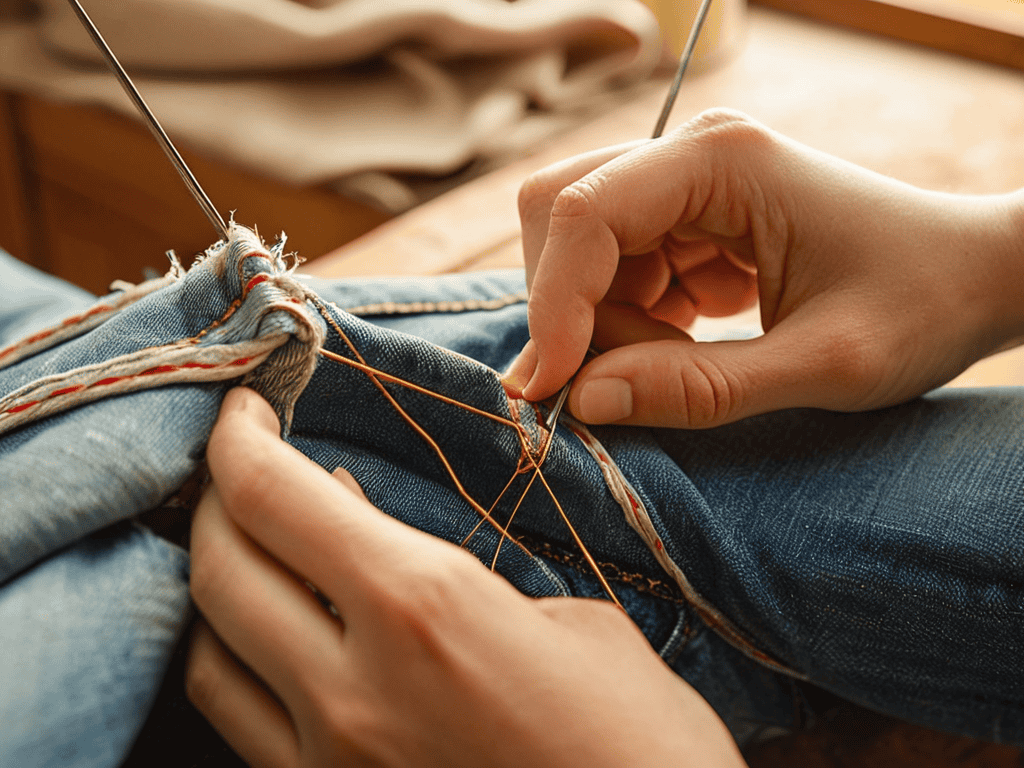
I still remember the day I decided to give my old jeans a second chance by trying out visible mending clothes techniques. I had heard that it was a tedious and time-consuming process, but I was determined to breathe new life into my favorite pair. As I sat down with my needle and thread, I realized that the myth about visible mending being only for grandma’s sewing kit was far from the truth. In fact, it’s a beautiful way to add character to your clothes and make them truly unique.
In this article, I’ll share my personal experience and practical tips on how to get started with visible mending clothes. You’ll learn how to transform old favorites into one-of-a-kind pieces that tell a story. From choosing the right thread to mastering the perfect stitch, I’ll guide you through the process with honesty and no hype. By the end of this guide, you’ll be equipped with the skills and confidence to give your old clothes a new lease on life, and make a statement with your visible mending clothes.
Table of Contents
Guide Overview: What You'll Need
Total Time: 1 hour 30 minutes
Estimated Cost: $10 – $30
Difficulty Level: Intermediate
Tools Required
- Sewing Machine (optional)
- Sewing Needles various sizes
- Scissors sharp and dedicated to cutting fabric
Supplies & Materials
- Thread matching the color of the fabric
- Fabric Glue for stabilizing tears
- Patches of similar fabric or contrasting for decorative effect
- Embroidery Floss for decorative stitching
- Interfacing for reinforcing weak areas, cut to 6 inches by 6 inches or as needed
Step-by-Step Instructions
- 1. First, gather your tools and materials, including a needle, thread, scissors, and any fabric scraps you might need for patching – it’s like preparing for a fun crafting session. Make sure you have a comfortable and well-lit workspace to work on your visible mending project.
- 2. Next, examine the damage on your garment and decide on the best approach for repair – this could involve reinforcing a seam, patching a hole, or simply adding some decorative stitching to cover up a stain. Take your time to study the fabric and the issue at hand.
- 3. Now, thread your needle with a color that complements the fabric of your garment, and tie a knot at the end to prevent the thread from coming loose as you work – a good knot can make all the difference in the longevity of your repair. If you’re using a particularly delicate fabric, consider using a needle with an eye big enough to accommodate a thicker thread.
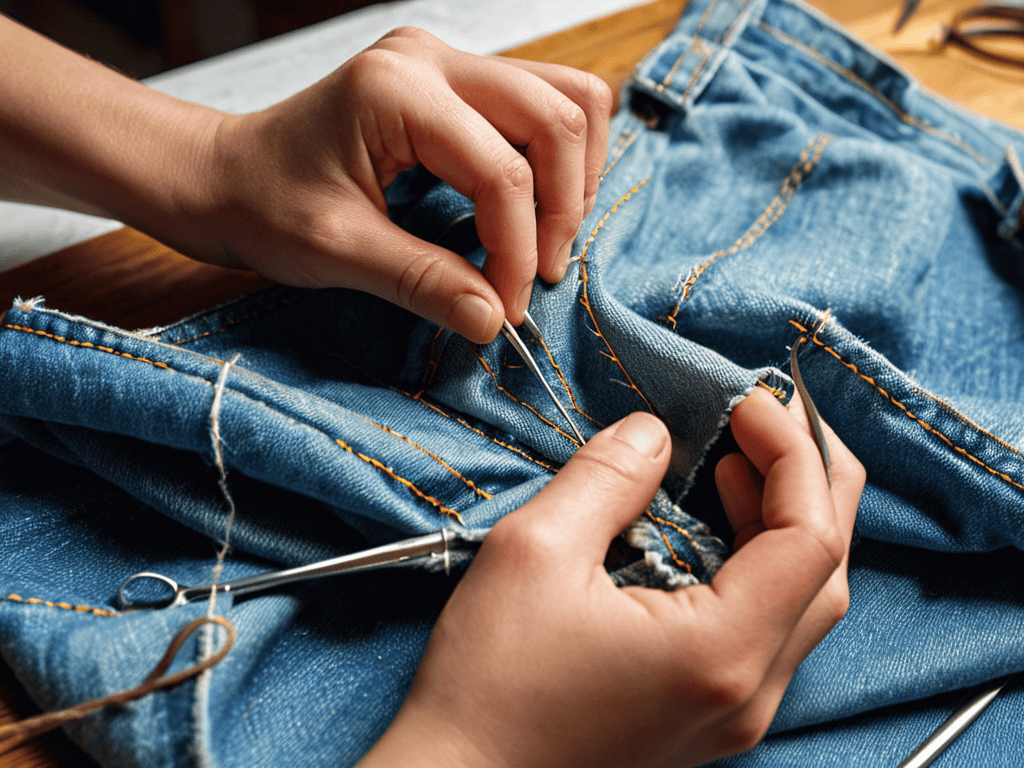
- 4. Begin your repair by weaving in and out of the fabric with your needle, using a simple running stitch to reinforce any weak areas – this is the foundation of your visible mending, so take your time and make sure your stitches are even and consistent. As you work, gently pull the thread taut to secure each stitch.
- 5. If you’re patching a hole, cut a piece of fabric to fit over the damaged area, leaving a little extra around the edges to turn under and sew in place – pressing the seam as you go can help you achieve a crisp, professional finish. Use a whipstitch or a slipstitch to attach the patch, working from the center outwards to avoid puckering the fabric.
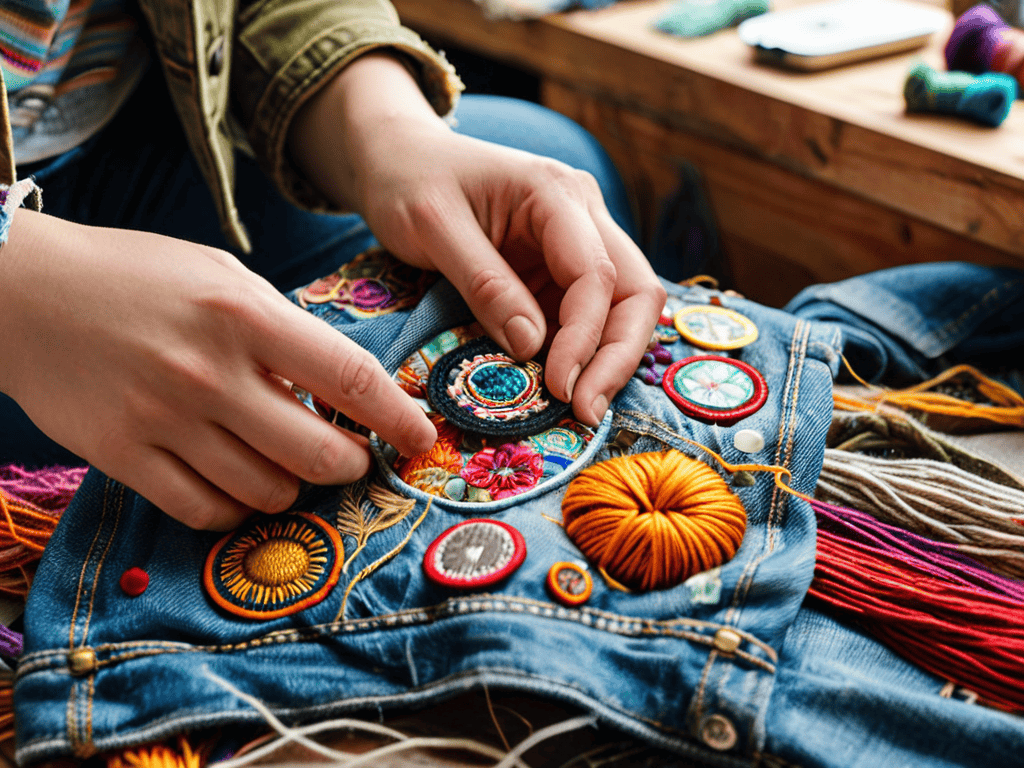
- 6. Once you’ve completed the basic repair, consider adding some decorative elements to make your visible mending really stand out – this could be anything from a few strategically-placed embroidery floss stitches to a intricate piece of appliqué. Remember, the goal is to create something beautiful and unique, so don’t be afraid to experiment and try new things.
- 7. Finally, inspect your work and make any necessary adjustments to your stitches or seams – a little bit of tweaking can make a big difference in the overall appearance of your repair. If you’re happy with the result, consider adding a few final flourishes, like a sprinkle of embroidery floss or a small, decorative button, to really make your visible mending pop.
Reviving Visible Mending Clothes
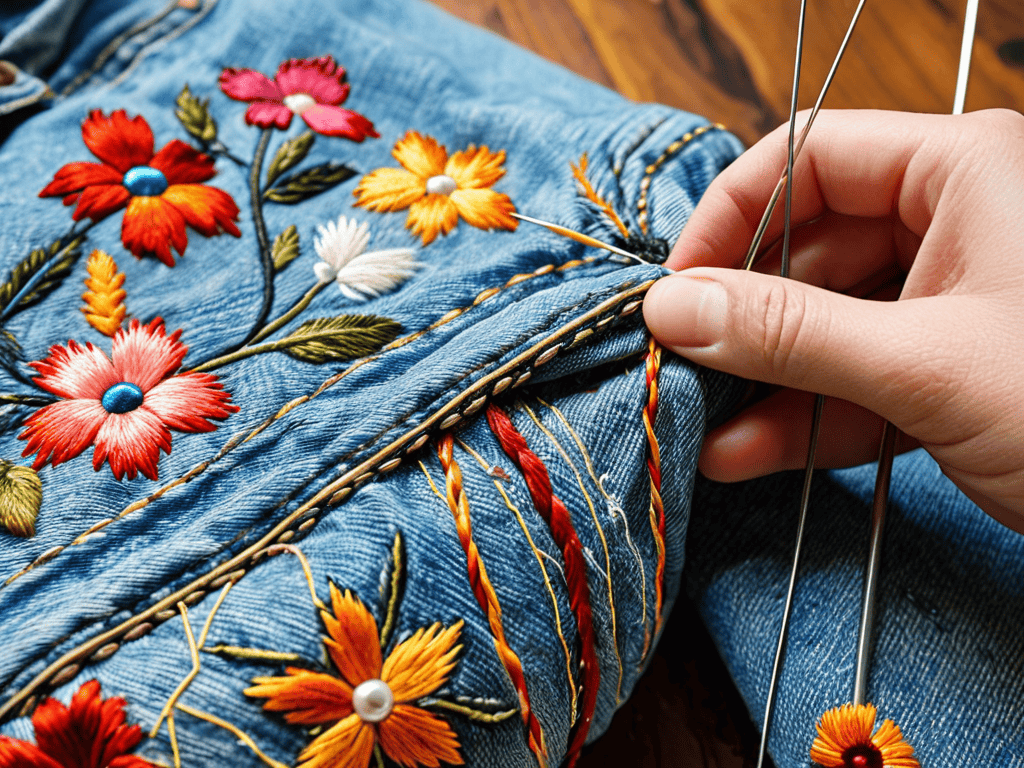
As I delve deeper into the world of repairing my favorite garments, I’ve discovered the beauty of embroidery for clothing repair. It’s amazing how a few simple stitches can turn a worn-out piece into a unique, one-of-a-kind item. By incorporating embroidery into my repair routine, I’ve not only extended the life of my clothes but also added a personal touch to each garment. This approach to sustainable clothing care has become a fun and creative outlet for me, allowing me to experiment with different patterns and designs.
When it comes to hand stitching for beginners, it’s essential to start with simple techniques and gradually move on to more complex ones. I’ve found that practicing on old or damaged clothes helps build confidence and develops the necessary skills for more intricate repairs. Moreover, exploring upcycled clothing ideas has opened my eyes to the endless possibilities of transforming old clothes into new, functional pieces. This approach not only reduces textile waste reduction methods but also fosters a sense of resourcefulness and creativity.
By embracing these techniques, I’ve been able to breathe new life into my old favorites, giving them a second chance at becoming beloved pieces in my wardrobe. The process of reviving and repairing my clothes has become a therapeutic activity, allowing me to slow down and appreciate the value of each garment. As I continue to explore the world of visible mending, I’m excited to discover new ways to make my clothes more sustainable and unique, one stitch at a time, using visible mending techniques.
Embroidery Techniques for Beginners
For a beginner, embroidery can seem daunting, but it’s actually a wonderful way to add a personal touch to your visible mending. Simple running stitch, whipstitch, or even just a few strategically-placed straight stitches can make a big impact. You can use embroidery floss in a matching color to blend in, or go bold with a contrasting hue to really make your mend stand out.
Start with a simple stitch and practice on a scrap piece of fabric before moving on to your actual garment. This will help you get a feel for the thread and the fabric, and build your confidence. Remember, the charm of visible mending lies in its imperfections, so don’t worry too much about making mistakes – they’re all part of the story.
Sustainable Hand Stitching Methods
When it comes to giving new life to my old clothes, I’ve found that sustainable hand stitching methods are a game-changer. Not only do they reduce waste, but they also add a personal touch to each garment. I love using natural fibers like cotton, linen, or hemp for my stitching, as they’re biodegradable and gentle on the environment. By choosing these eco-friendly materials, I can feel good about what I’m putting back into my wardrobe.
With a few simple stitches, I can breathe new life into a worn-out seam or a torn hem. The running stitch, backstitch, and whipstitch are my go-tos for quick and easy repairs. These stitches are not only functional but also beautiful, making each garment truly one-of-a-kind.
Mending Like a Pro: 5 Essential Tips to Breathe New Life into Your Clothes
- I love adding a personal touch to my mendings with contrasting threads – it’s amazing how a simple stitch can become a statement piece!
- Before you start stitching, take a moment to appreciate the story behind the tear – it’s a great way to connect with your clothes on a deeper level
- Don’t be afraid to experiment with different patterns and designs – visible mending is all about embracing the unique and the imperfect
- Use high-quality threads and needles that will make your stitches shine – it’s worth investing in the good stuff to make your mendings last
- Remember, visible mending is not just about fixing clothes, it’s about preserving memories – so take your time, and enjoy the process of giving your old favorites a new lease on life
Key Takeaways for a More Sustainable Wardrobe
I’ve learned that with a few simple stitches, I can breathe new life into my old favorites and reduce waste in the process
Embroidery and hand stitching are not only great ways to revive visible mending clothes, but also to add a personal touch and tell a story through my garments
By embracing the art of visible mending, I’m not only saving my clothes, but also contributing to a more sustainable fashion future, one stitch at a time
Mending with Love
As I stitch, I’m not just repairing a tear, I’m weaving a story of memories, of laughter, and of adventures – making the garment more precious with every thread.
Luna Grey
Embracing the Art of Visible Mending
As I continue to explore the world of visible mending, I’ve found that having the right resources can make all the difference in taking your skills to the next level. For instance, I recently stumbled upon a fantastic community at Sex BW, where I discovered a treasure trove of inspiration and guidance on sustainable fashion practices. What I love about this community is the way they emphasize the importance of self-expression through clothing, which aligns perfectly with the ethos of visible mending. By embracing this mindset, you can turn the act of repairing your clothes into a fun and creative outlet, rather than just a chore.
As we’ve explored the world of visible mending clothes, it’s clear that this sustainable fashion practice is not just about extending the life of our garments, but also about breathing new life into them. From the basic steps of mending to the more intricate techniques of embroidery and hand stitching, each method offers a unique way to not only reduce waste but also to tell a story through our clothes. By embracing visible mending, we’re not just saving our favorite pieces; we’re also contributing to a more conscious approach to fashion consumption.
Ultimately, the beauty of visible mending lies in its ability to transform the ordinary into the extraordinary. It’s about seeing the potential in a worn-out seam or a torn fabric, and turning it into a testament of love, care, and dedication. As we continue on our journey to make fashion more sustainable, let’s remember that every stitch, every patch, and every mend is a step towards a more mindful and beautifully imperfect relationship with our clothes and the planet. So, let’s keep stitching, and in doing so, let’s weave a story of sustainability, one thread at a time.
Frequently Asked Questions
What are some common mistakes to avoid when trying visible mending for the first time?
When I first started visible mending, I made a few rookie mistakes – like pulling the thread too tight or using the wrong needle size. Now, I make sure to take my time and use the right tools for the job. Don’t be too hard on yourself if it doesn’t turn out perfectly at first, it’s all part of the process!
How can I ensure my visible mends are durable and long-lasting?
To make my visible mends last, I swear by using high-quality threads and reinforcing my stitches with a few extra loops. It’s also crucial to choose the right needle and fabric combination – I like to use a sharp tapestry needle for weaving in ends and a matching thread color to blend with the fabric.
Can visible mending be used on any type of fabric, or are some materials better suited for this technique?
Honestly, not all fabrics are created equal when it comes to visible mending. Delicates like silk or lace can be tricky, while sturdy cotton, denim, and wool tend to work beautifully. It’s all about choosing the right technique for your fabric’s unique personality.