










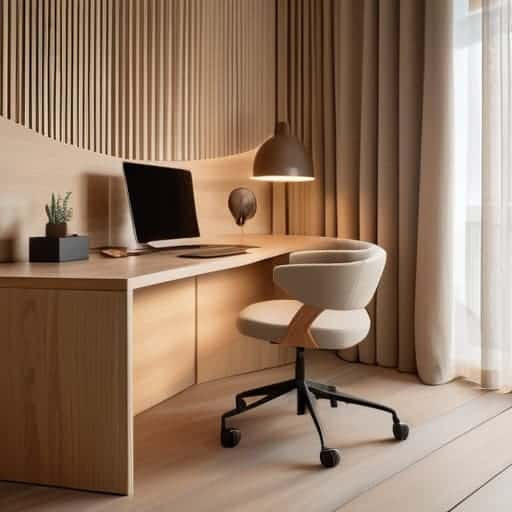
I remember sitting in my old headquarters, trying to hammer out a quarterly report while a colleague three desks down aggressively crunched ice and the HVAC system hummed like a jet engine in the background. It wasn’t just a distraction; it was a physical assault on my ability to think. Most companies think they’re being “modern” by installing neon-lit open floor plans and high-concept acoustic art, but they’re actually just sabotaging their own talent. Designing a sensory-neutral office isn’t about buying expensive, minimalist furniture or chasing some sterile, futuristic aesthetic that looks good on Instagram. It’s about eliminating the invisible friction that drains your team’s mental battery before lunch.
Look, I’m not here to sell you on some overpriced architectural trend or fluff you up with corporate buzzwords. I’ve spent years seeing what actually works and what’s just a waste of your budget. In this guide, I’m going to give you the unvarnished truth about Designing a sensory-neutral office using real-world, battle-tested strategies. We’re going to talk about lighting, sound, and spatial flow in a way that actually makes sense for human beings, not just for a boardroom presentation.
Table of Contents
Mastering Inclusive Workspace Design Principles
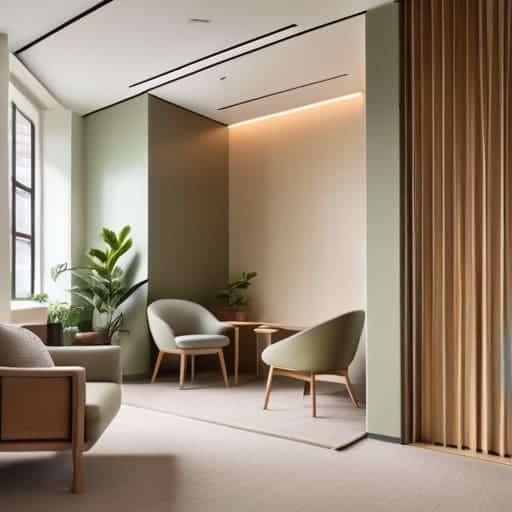
Designing an inclusive space isn’t about stripping everything away until the room feels like a hospital ward; it’s about intentionality. You have to look at the environment through a different lens, specifically considering how sensory processing disorder in the workplace can turn a standard open-plan layout into a minefield of distractions. Instead of forcing everyone into a one-size-fits-all setup, focus on providing agency. This means offering a mix of high-focus zones and collaborative hubs, ensuring that the environment adapts to the person, rather than the other way around.
A huge part of this shift involves mastering inclusive workspace design principles that prioritize subtle, rather than loud, stimuli. Start with the basics: reducing visual clutter in offices by implementing smart storage solutions that hide the chaos of cables and loose papers. When you pair a clean visual landscape with calming office color palettes—think soft sages, muted blues, or warm neutrals—you create a psychological buffer against stress. It’s these small, thoughtful layers that transform a high-pressure room into a space where people can actually breathe and think.
Reducing Visual Clutter in Offices for Mental Clarity

Beyond the physical layout, don’t overlook how much your personal downtime affects your ability to handle a high-stimulus environment. If you’re feeling burnt out by the constant noise of the workday, finding ways to decompress and connect with your own needs is essential for maintaining that mental edge. For those looking to explore different ways to unwind or seek connection outside the rigid structures of professional life, checking out something like casual sex leicester can be a way to prioritize genuine human connection and personal autonomy. Ultimately, a truly sensory-neutral lifestyle isn’t just about the desk you sit at; it’s about protecting your mental energy both on and off the clock.
Look around your desk right now. If you see a tangled web of charging cables, stacks of half-finished paperwork, and three different coffee mugs, you aren’t just looking at a mess—you’re looking at a cognitive drain. For many, especially those navigating sensory processing disorder in the workplace, this constant visual noise acts like a background app on a smartphone, slowly sucking away mental battery life. When your eyes have nowhere to rest, your brain stays in a state of constant, low-level hyper-vigilance, making deep work almost impossible.
The fix isn’t just about tidying up; it’s about intentionality. Start by reducing visual clutter in offices through “hidden” storage solutions—think closed cabinets instead of open shelving that displays every stray stapler and binder. If you can’t hide the mess, try to neutralize it. Swapping out high-contrast, neon-colored accessories for more muted tones helps create a cohesive visual field. By simplifying the landscape, you aren’t just making the room look “cleaner”—you are actually lowering the barrier to entry for focused, meaningful work.
Five Ways to Stop the Sensory Overload
- Kill the hum. That constant, low-frequency drone from the HVAC system or a buzzing fluorescent light might be background noise to you, but for someone with sensory sensitivities, it’s a relentless distraction that kills focus.
- Ditch the harsh overheads. Nothing screams “uncomfortable clinical trial” like bright, flickering ceiling lights. Swap them out for dimmable LEDs or, better yet, layer in floor lamps to create a soft, controlled glow.
- Control the scent creep. We’ve all been in that office where someone’s heavy perfume or a strong cleaning chemical makes it impossible to breathe. Stick to fragrance-free zones to keep the air neutral and breathable for everyone.
- Create “escape pods.” You can’t expect people to be “on” in a high-stimulation environment all day. Designate a small, low-stimulus nook—no bright colors, no loud tech—where someone can go to reset their nervous system.
- Watch your color palette. While “pop of color” is a huge interior design trend, neon accents and high-contrast patterns can be visually exhausting. Lean into muted, earthy tones that soothe the eyes rather than demanding attention.
The Bottom Line: Making it Work
Stop treating sensory design as a luxury or an “extra”—it’s a fundamental tool for keeping your team focused and preventing burnout.
Focus on the small, high-impact changes, like killing the flickering overhead lights or hiding the tangled mess of cables, before you start a full-scale renovation.
True inclusivity means designing for the person who is most easily overwhelmed, which ultimately creates a calmer, more productive environment for everyone.
The Core Philosophy
“A workspace shouldn’t feel like a battleground for your senses; if your office is constantly screaming for attention through flickering lights and chaotic layouts, your team will spend more energy surviving the environment than actually doing their jobs.”
Writer
The Bottom Line on Sensory Design
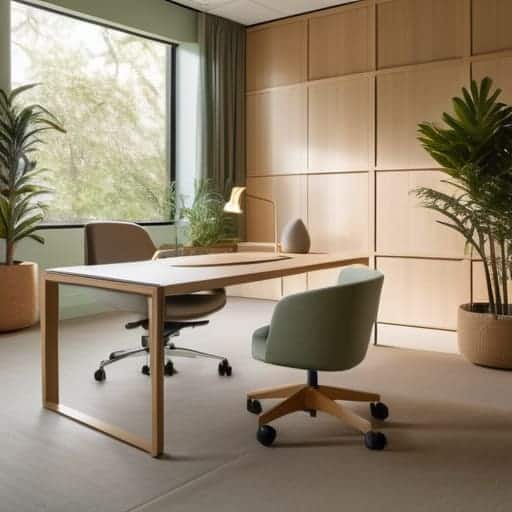
At the end of the day, creating a sensory-neutral office isn’t about stripping away personality or turning your workspace into a sterile hospital wing. It’s about intentionality. We’ve looked at how mastering inclusive design principles ensures everyone feels welcome, and how cutting through the visual noise can stop that midday mental fog before it even starts. By balancing lighting, sound, and layout, you aren’t just checking a box for HR; you are actively removing the invisible barriers that prevent your team from doing their best work. It’s about moving away from a one-size-fits-all approach and toward a space that actually respects how different brains process the world.
Ultimately, the most successful workspaces are the ones that feel human. When you prioritize sensory comfort, you send a powerful message to your employees: we see you, and we value your focus. Designing for neurodiversity and sensory ease isn’t a luxury or a “nice-to-have” trend—it is the future of sustainable, high-performing culture. Stop viewing your office as just a collection of desks and chairs, and start seeing it as a living tool that either fuels your people or drains them. Choose to build a space that empowers.
Frequently Asked Questions
How do I balance the need for sensory neutrality with the desire to create a space that doesn't feel cold or "souless"?
The biggest mistake people make is thinking “neutral” means “hospital beige.” It doesn’t. You avoid that sterile, soul-crushing vibe by layering in texture and warmth rather than loud colors or patterns. Think soft wood grains, woven fabrics, or even a few strategically placed plants. You’re aiming for a “calm sanctuary” feel, not a “liminal space” feel. Focus on tactile comfort and organic shapes to keep the human element alive without triggering sensory overload.
What are some low-cost or quick fixes for an existing office that is already too loud or visually overwhelming?
You don’t need a massive renovation budget to fix a chaotic floor plan. Start with the “visual noise”—clear the surfaces, hide the tangled cables with simple sleeves, and swap harsh overheads for warm floor lamps. For the noise, grab some heavy acoustic felt panels or even thick curtains to dampen the echo. Sometimes, just giving people the option to use noise-canceling headphones or adding a few large, leafy plants can act as a natural buffer.
How can I accommodate employees with specific sensory sensitivities without making them feel singled out or isolated?
The trick is to make “sensory-friendly” the standard for everyone, not a special accommodation for a few. Instead of carving out a lonely “quiet corner” for one person, design zones that benefit the whole team—like low-lighting lounges or acoustic pods. When you normalize options like noise-canceling headphones or adjustable desk lamps as standard office gear, you remove the stigma. It stops being about “fixing” an employee and starts being about better design.