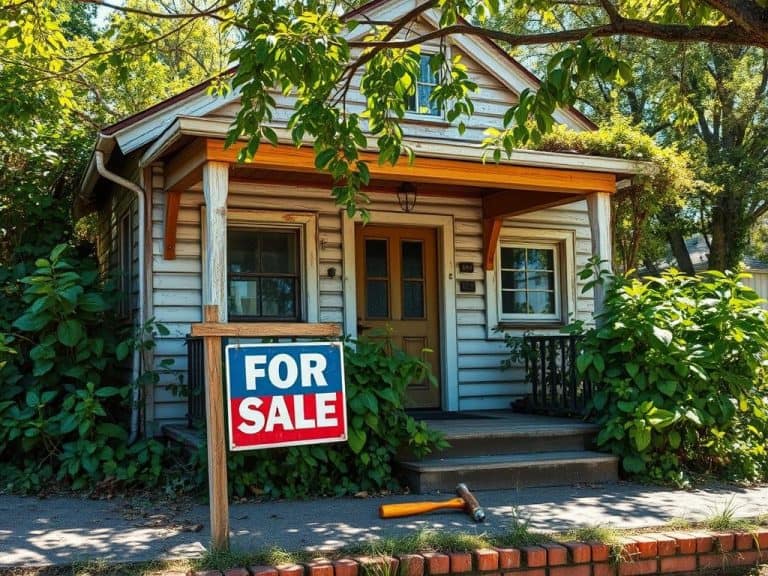











Standing at the start of buying my first home, I feel both excited and nervous. The journey of buying a home is thrilling yet daunting. It’s more than just getting a mortgage or finding an agent; it’s a new chapter of life.
I spent many nights looking at listings, dreaming of my future home. But, I also felt the big responsibility. Buying a home is not just a financial deal; it’s a promise of stability and a place to call home.
This guide aims to clear up the confusion, helping me understand *financial readiness*. It covers everything from my credit score to down payment choices. With each tip, I feel more confident in making choices that will shape my future.
Key Takeaways
- Understand the importance of assessing your credit score before buying a home.
- Calculate your debt-to-income ratio to determine financial readiness.
- Explore various mortgage options that best suit your needs.
- Consider the implications of down payments and closing costs on your financial plan.
- Get pre-approved before house hunting to streamline your buying process.
- Evaluate the different types of mortgages available to first-time buyers.
Understanding Your Financial Readiness
Getting ready financially is key when I start looking for a home. I need to check my credit score, debt-to-income ratio, and down payment options before I begin.
Assessing Your Credit Score and Financial Stability
First, I’ll look at my credit score. A good score, over 620, helps get better mortgage rates. To keep my score up, I’ll pay bills on time and keep credit balances low. This careful approach will boost my credit and financial health.
Calculating Your Debt-to-Income Ratio
Then, I’ll figure out my debt-to-income (DTI) ratio. Lenders use this to see if I can handle monthly payments. My DTI should be under 43%. Keeping mortgage payments under 28% of my income helps too. This helps me understand my finances better and improves my mortgage chances.
Determining Your Down Payment Options
Lastly, I’ll look at down payment choices. While most loans need a 20% down, there are options for first-time buyers. For example, FHA loans might only need 3.5%. Knowing these options helps me plan my finances for buying a home.
First-Time Buyer Guide: Navigating Mortgage Options
My journey toward homeownership involves understanding various mortgage options available to first-time buyers. Each option comes with its own benefits, requirements, and best fits for specific lifestyles and financial situations.
Exploring Different Mortgage Types
As I explore mortgage options, I find that there are several types to consider. Conventional loans offer competitive interest rates and typically require a down payment ranging from 3% to 20%, depending on my credit score. FHA loans stand out with a lower down payment requirement of just 3.5% for those with a credit score of at least 580. For military veterans, VA loans become an attractive option, allowing 0% down payments. USDA loans are also beneficial for eligible low-income families in rural areas, requiring no down payment. Understanding these categories helps me make an informed decision based on my financial readiness and future goals.
Getting Pre-Approved for a Mortgage
Securing pre-approval is a vital step in my home-buying process. This involves submitting detailed financial documents to multiple lenders, which not only strengthens my chances but helps clarify my budget. The pre-approval letter demonstrates my seriousness to sellers, making me a more attractive buyer. It also allows me to gauge my mortgage options more accurately, ensuring I choose the right path forward.
Understanding the Closing Process
After selecting a mortgage type and receiving pre-approval, I enter the closing process. This stage requires careful attention to detail, as I must cover various fees, typically ranging from 2% to 5% of the loan amount. Mandatory items include securing homeowners insurance and evaluating the property’s appraisal to ensure a sound investment. Understanding the closing process, including the necessary documentation and payments, equips me to not only finalize my purchase but to feel confident in my new financial commitment.
Conclusion
Buying a home is a big change, filled with important choices that affect my money future. This summary looks back on my journey as a first-time buyer. Each step, from checking my finances to looking at mortgage options, was key.
I’ve learned that good financial planning is essential. Having clear financial records and a strong credit score, over 600, helps a lot. This makes it easier to get good loan terms.
My experience shows how vital preparation is. To get a good loan, I need a down payment of at least 20%. Getting pre-approved by a lender helps me make strong offers. Knowing about closing costs and extra fees, like LMI, is also important.
This guide has given me the confidence to face the real estate world. I now know about different ways to value homes and what they mean. I’m ready to find my dream home. This journey is about making smart choices that will help my finances for a long time.