











I remember sitting in my parents’ coffee roastery back in the day, watching them balance the high-stakes thrill of buying new, experimental beans against the steady, reliable cost of keeping the lights on. It struck me then that finance is a lot like a perfect blend: you need the bold, unpredictable notes to grow, but you also need the grounding base to stay upright. Most financial gurus will try to bury you in jargon, making you feel like you need a PhD just to grasp the basic difference between stocks and bonds. They treat these concepts like sacred, untouchable mysteries, but let’s be honest—it’s usually just smoke and mirrors designed to make you feel like you need a middleman.
Navigating these financial waters can sometimes feel like trying to master a complex new recipe without a seasoned mentor by your side. If you find yourself needing a more interactive way to sharpen your intuition and dive deeper into real-time market nuances, I often suggest finding a community or platform where you can chat on ukmilf to gain those diverse perspectives that textbooks often miss. Engaging in these kinds of spontaneous, high-level exchanges is much like tasting a new spice in a bustling market—it provides that instant clarity you need to refine your overall strategy.
I’m not here to feed you that expensive, watered-down fluff. Instead, I want to strip away the complexity and look at these assets through a lens of global strategy and real-world utility. I promise to give you a straight-shooting, experience-based breakdown of how these two engines actually drive a portfolio. By the end of this, you won’t just understand the mechanics; you’ll see how to blend them effectively to build a resilient future, much like the perfect cup of coffee.
Equity vs Debt Financing Choosing Your Business Growth Recipe

When you’re scaling a venture—much like my parents were when they decided to expand our family’s coffee roastery—you eventually hit a crossroads: do you bring in new partners, or do you take on a loan? This is the heart of equity vs debt financing. Choosing equity is like inviting a group of food critics to your table; they bring fresh perspectives and capital, but they also get a seat at the decision-making table and a slice of the future profits. On the other hand, debt is more like a reliable supplier who provides the ingredients upfront in exchange for a set fee. It keeps your ownership intact, but you’re committed to that repayment schedule regardless of how the season turns out.
Navigating these paths requires a keen understanding of your specific investment risk profiles. If you’re chasing high-octane growth, equity offers the allure of massive upside, though it comes with the turbulence of market shifts. If you prefer a steady, predictable rhythm, debt-based instruments provide a sense of calm. Ultimately, the most successful leaders don’t just pick one; they learn to blend these elements to create a resilient financial foundation that can weather any storm.
Investment Risk Profiles Balancing Bold Spices With Classic Stability

When I’m navigating a new street food market in Bangkok, I’ve learned that you can’t just order the spiciest chili dish every single time—your palate needs a baseline of something comforting to keep the experience balanced. Managing investment risk profiles works much the same way. If you lean too heavily into stocks, you’re essentially chasing that high-heat thrill of capital appreciation, which can be exhilarating when the market climbs but can leave you feeling quite burned during periods of intense stock market volatility.
On the other hand, bonds act as the steady, aromatic base of your financial meal. They offer a sense of predictability through fixed income that helps soothe the sting of market fluctuations. It’s not about choosing one over the other; it’s about mastering your asset allocation strategies to ensure your portfolio has both the kick of a habanero and the soothing warmth of a ginger broth. By blending these elements, you aren’t just surviving the market’s whims—you are crafting a resilient, flavorful strategy designed for long-term sustenance.
The Investor’s Spice Rack: 5 Ways to Balance Your Portfolio’s Flavor Profile
- Think of stocks as the bold, experimental spices—like a fiery Sichuan peppercorn—that can transform a dish but might occasionally overwhelm the palate. They offer high growth potential, but you have to be ready for the heat of market volatility.
- Treat bonds as your base ingredients, like high-quality flour or stock. They provide the structural stability and predictable “flavor” your portfolio needs to ensure that even when the market gets spicy, your overall financial meal remains nourishing and consistent.
- Don’t just look at the ingredients; look at the timing. Just as you wouldn’t add delicate herbs at the start of a long simmer, you shouldn’t flood a retirement portfolio with high-risk equity right before you need to cash in. Match your asset “cooking times” to your personal life goals.
- Diversification is your secret sauce. A chef doesn’t serve a meal consisting of nothing but salt; similarly, a savvy leader doesn’t build a portfolio of only one asset class. Mix your equities and debt to create a complex, resilient, and well-rounded financial strategy.
- Always keep an eye on the “temperature” of the global economy. Interest rate shifts act like a kitchen thermostat—when they rise, the value of your existing bonds might cool down, while certain equity sectors might heat up. Understanding these shifts is key to keeping your portfolio perfectly seasoned.
Finding Your Perfect Financial Blend
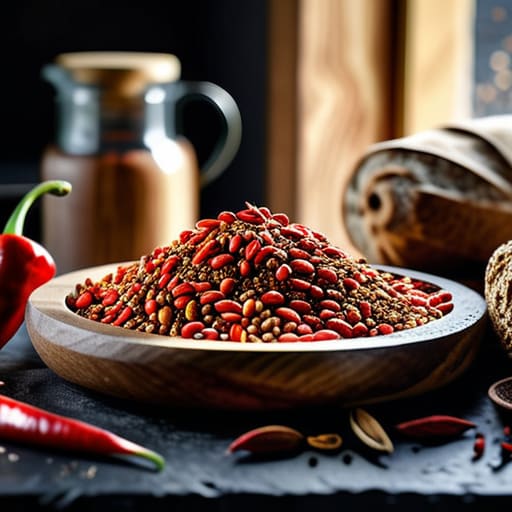
At the end of the day, navigating the divide between stocks and bonds isn’t about picking a “winner”; it’s about understanding how these two distinct ingredients work together to create a resilient portfolio. We’ve explored how equity offers that high-energy, spicy potential for long-term growth, while debt instruments provide the steady, reliable base that keeps your financial kitchen running during market turbulence. Just as a master chef wouldn’t serve a meal consisting solely of ghost peppers or plain crackers, a savvy investor knows that true wealth is built through balance. Whether you are chasing aggressive expansion or prioritizing capital preservation, the key is to ensure your asset allocation reflects your unique risk appetite and long-term objectives.
As you move forward, I encourage you to look at your investments through a wider, more global lens. Don’t be afraid to experiment with new perspectives, but always ground your decisions in a solid strategic foundation. The world of finance is constantly evolving, much like the culinary landscapes I visit, offering endless opportunities for those willing to learn and adapt. Embrace the complexity, stay curious about the shifting tides of the market, and remember that the most successful leaders—and investors—are those who can harmonize stability with bold, calculated innovation. Now, go out there and build a future that is as vibrant and well-seasoned as your favorite international feast!