
In times of upheaval and uncertainty, I often think about the need for relaxation. The COVID-19 pandemic showed us how stress can overwhelm us, leading to anxiety and depression. Our minds need moments of calm to stay well.
Exploring effective relaxation techniques is key. They offer immediate stress relief and support long-term health. Imagine feeling better through breathing exercises or yoga. These practices can greatly improve our lives, helping us face daily challenges with balance.
They don’t require fancy setups or costs. Let’s explore how we can find peace and maintain calm.
Key Takeaways
- Regular practice of relaxation techniques can reduce heart rate and blood pressure, leading to enhanced well-being.
- Simple methods such as deep breathing and guided imagery provide immediate stress relief and can be practiced anywhere.
- Mindfulness and meditation promote emotional balance and reduce anxiety over time.
- Physical activities, including yoga and tai chi, effectively lower stress and boost mood.
- Eating a healthy diet can help regulate mood, mitigating stress responses.
- Engaging in creative hobbies can provide a substantial release from stress and anxiety.
- Positive self-talk can improve emotional resilience, allowing for better stress management.
The Importance of Relaxation Techniques
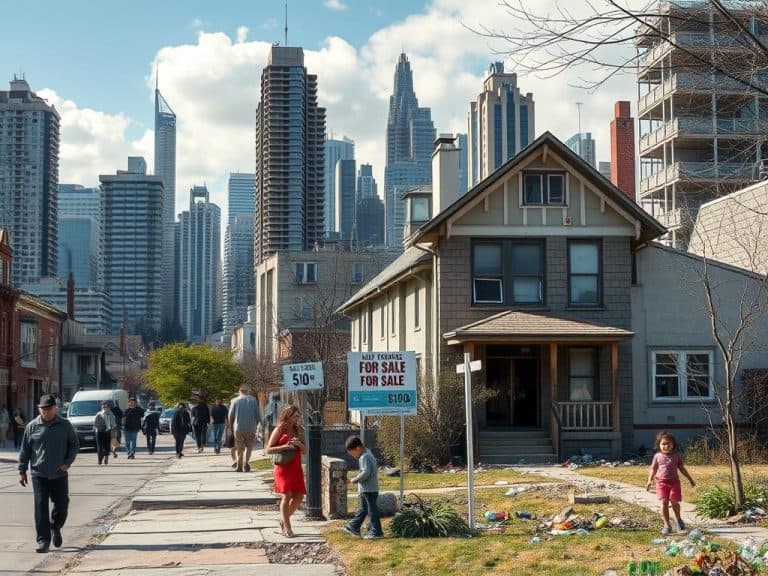
In today’s fast world, understanding stress is key. Stress can lead to health problems like anxiety and heart issues. Knowing the difference between good and bad stress helps us manage our lives better.
Stress affects our mental and physical health. It’s important to find ways to relax and stay well.
Understanding Stress and Its Effects
Stress is a part of life, caused by work and personal tasks. It can lead to long-term health problems. Knowing how stress affects us helps us find ways to relax.
How Relaxation Improves Well-being
Adding relaxation to our daily lives improves our emotional balance. Techniques like deep breathing and muscle relaxation help us handle stress better. They lower our heart rates and improve digestion and sleep.
Relaxation not only helps us in the moment but also boosts our overall health and energy.
Types of Relaxation Techniques
In today’s fast-paced world, finding effective relaxation techniques is key for our mental and physical health. I’ve found many practices that help reduce stress and bring tranquility. Adding these to my daily routine has greatly improved my health. Let’s look at some of the best methods.
Deep Breathing Exercises
Deep breathing exercises involve taking full breaths to clean the body and calm the mind. This simple technique can instantly relax me, lowering my heart rate and blood pressure. It’s easy to do anywhere, helping me tackle daily challenges with calm and clarity.
Meditation and Mindfulness
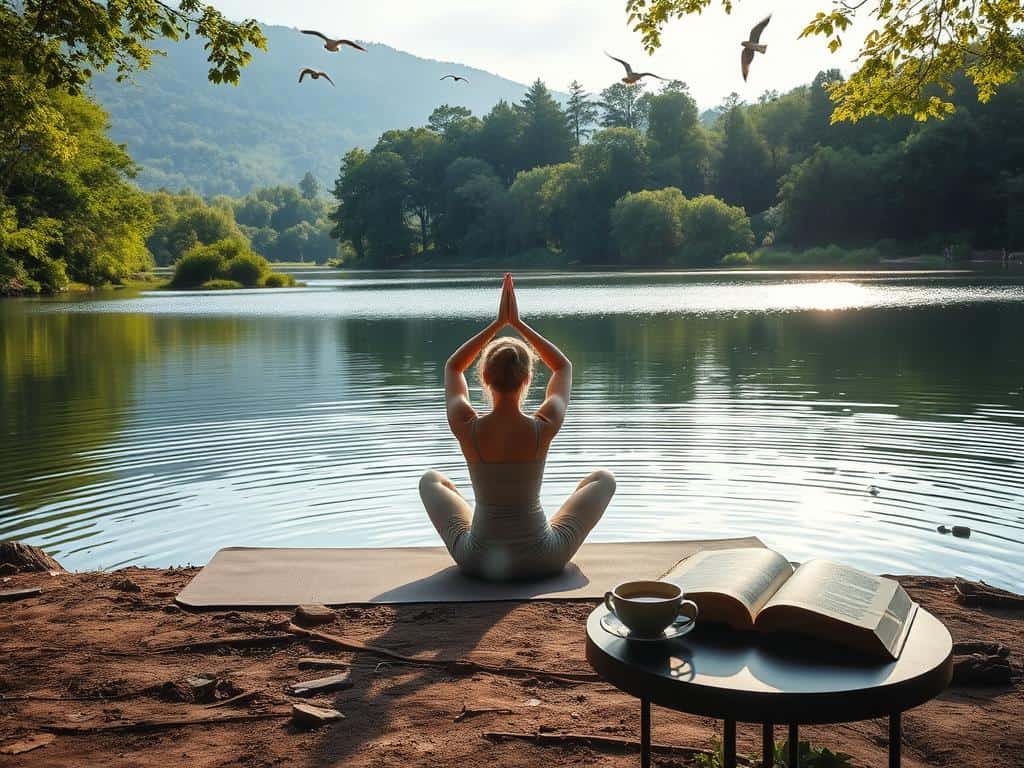
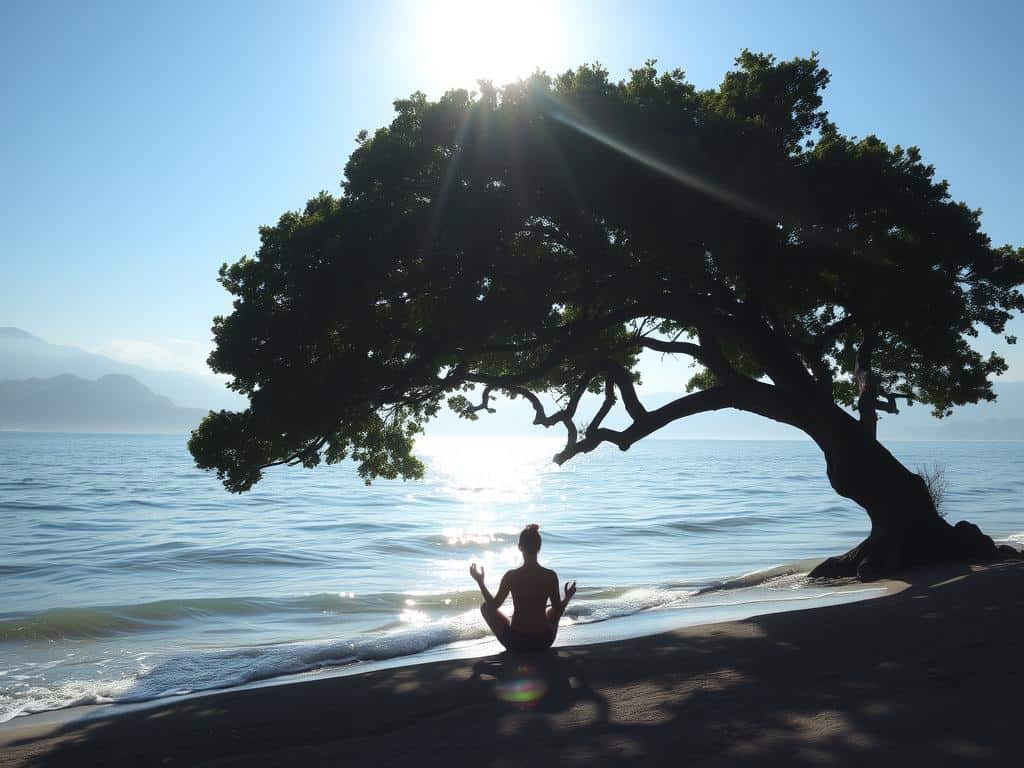
Meditation includes practices like mindfulness, which helps us stay present. Adding meditation to my life has lowered my stress hormones, improving my life quality. Whether through guided sessions or on my own, meditation helps me stay centered and peaceful.
Progressive Muscle Relaxation
Progressive muscle relaxation involves tensing and relaxing muscles all over the body. This method has helped me notice and release physical tension and stress. It’s been effective in managing stress, anxiety, and symptoms of chronic conditions like fibromyalgia and arthritis.
Visualization Techniques
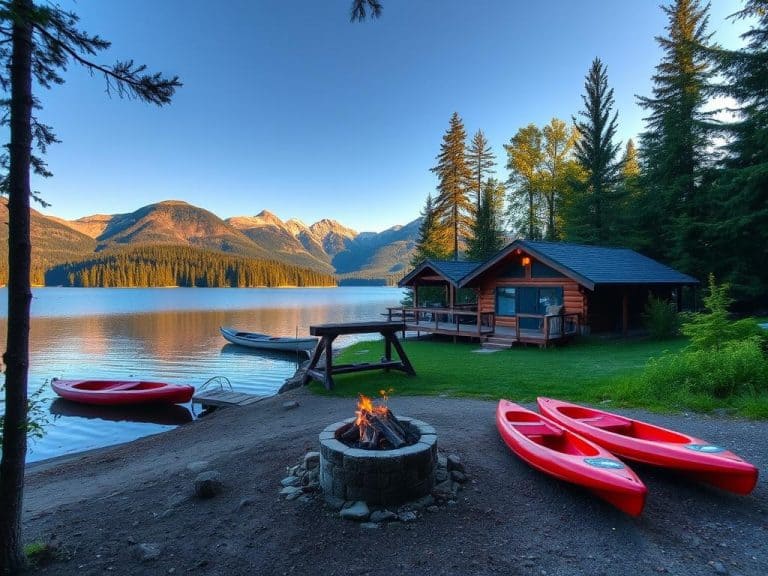
Visualization is about imagining peaceful scenes to relax. It appeals to my senses and helps my body relax. Guided imagery, in particular, has been shown to help with pain management, as seen in studies on patients after surgery.
Yoga and Tai Chi
Yoga and tai chi combine movement, breath, and meditation. Yoga has made me stronger and more flexible while improving my mental clarity. Tai chi, with its slow movements, has also improved my focus and overall health. Both practices offer a mindful way to relax, essential in today’s busy world.