









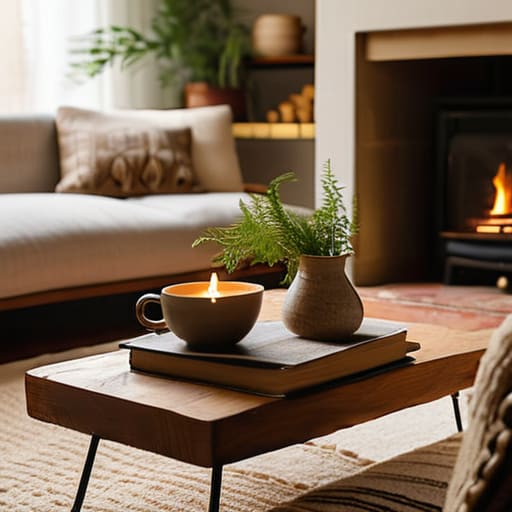
I remember sitting in my parents’ coffee roastery back in the city, watching how the aroma of toasted beans and the low hum of conversation acted like a magnet for everyone in the neighborhood. It wasn’t the expensive espresso machines or the polished mahogany counters that drew people in; it was the unspoken invitation to belong. Too often, people get caught up in the high-end design magazines, thinking they need a showroom-perfect living room to be a good host. But let me tell you, if you’re obsessing over whether your coasters match your rug, you’re missing the point of how to make a home that people want to visit. Perfection is actually a barrier to connection.
In this guide, I’m stripping away the superficial fluff and the “designer-approved” myths that make hosting feel like a chore. Instead, I’m going to share some battle-tested strategies—inspired by my travels and my background in global leadership—on how to curate a space that feels both intentional and effortlessly welcoming. We aren’t aiming for a museum; we are building an international sanctuary where guests feel the freedom to relax, linger, and truly connect.
Improving Home Curb Appeal and Entryway for First Impressions
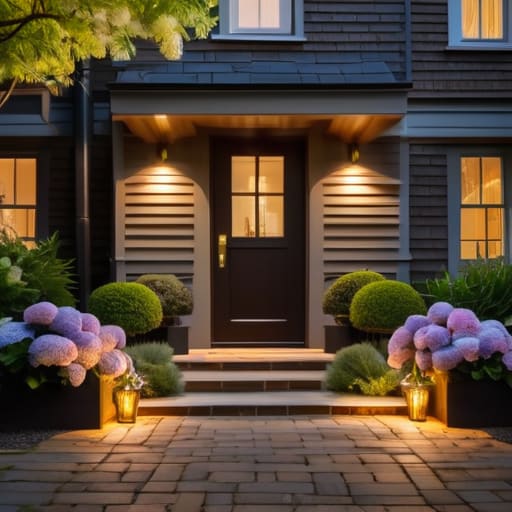
Before your guests even ring the bell, they’ve already begun “tasting” the essence of your home. I often think of a front entrance much like the storefront of my parents’ old coffee roastery; it’s the first sensory handshake between you and the world. Improving home curb appeal and entryway isn’t just about manicured lawns or a fresh coat of paint—though those certainly help. It’s about signaling intention. A well-lit path, a sturdy, inviting door, and perhaps a splash of color in the planters can act as a visual prelude to the warmth waiting inside.
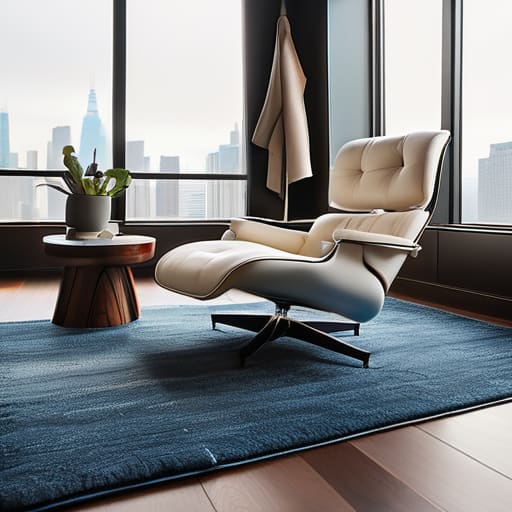
Once they cross that threshold, you want the transition to feel seamless, almost like moving from a bustling street into a quiet, high-end lounge. This is where you master the sensory elements of home decor. Think beyond the visual: a subtle, high-quality scent or the soft glow of ambient lighting can immediately lower a visitor’s guard. By treating your entryway as the “executive summary” of your living space, you set a sophisticated yet approachable tone that prepares them for the connection and comfort to come.
Creating a Welcoming Home Atmosphere Through Cultural Fusion
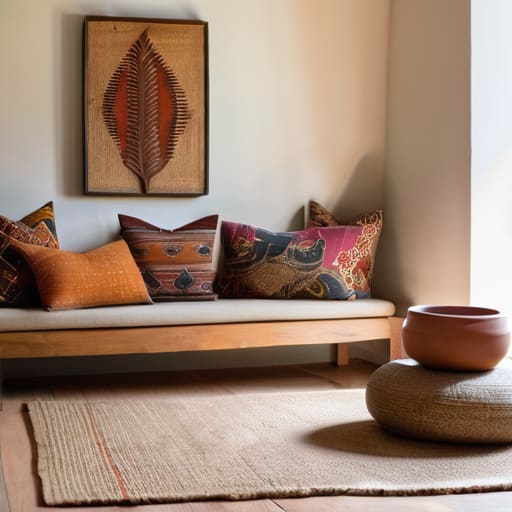
Once you’ve mastered that crucial first impression at the doorstep, it’s time to dive into the heart of the home. For me, the secret to creating a welcoming home atmosphere lies in what I call “culinary-inspired curation.” Just as a master chef balances the heat of a Thai chili with the creamy comfort of coconut milk, your interior should find a harmony between diverse influences. I love mixing the minimalist, serene lines of Japanese Zen aesthetics with the rich, tactile warmth of Moroccan textiles. This isn’t about creating a museum of souvenirs; it’s about intentional layering that tells a story of a life well-traveled.
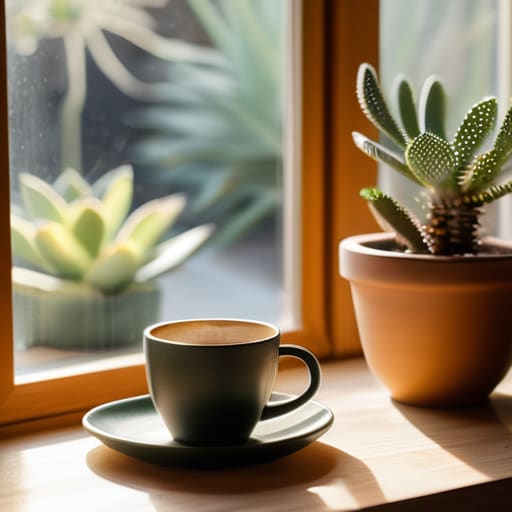
To truly elevate your interior design for hospitality, don’t overlook the subtle, invisible layers. I often think about the sensory elements of home decor—the way a hand-thrown ceramic bowl from a local artisan feels under your fingers, or how the scent of sandalwood can instantly lower a guest’s guard. When you blend these global textures and scents, you aren’t just decorating; you are crafting an immersive experience that invites people to linger, much like the lingering notes of a perfectly roasted single-origin espresso.
The Secret Sauce: 5 Strategic Layers to Elevate Your Home’s Social Value
- Master the Art of Sensory Storytelling: Just like a perfectly balanced Moroccan tagine, a home shouldn’t just look good—it should engage all the senses. Think about the subtle aroma of a high-quality sandalwood candle or the tactile warmth of a hand-woven textile. When you layer these sensory details, you aren’t just decorating; you’re creating an immersive brand experience for your guests.
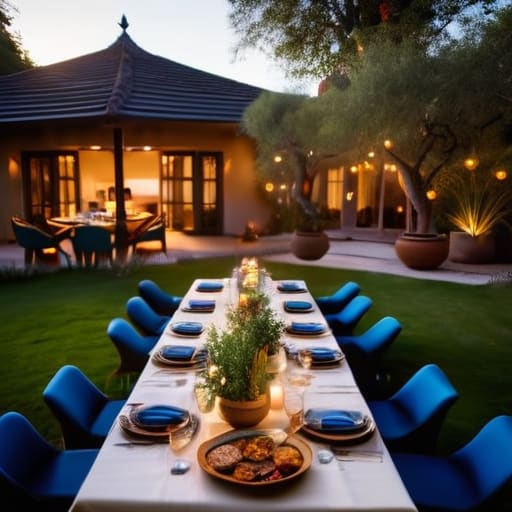
- Curate “Conversation Hubs” Instead of Just Furniture: In my travels, I’ve noticed that the best business deals often happen in cozy corners, not stiff boardrooms. Don’t just arrange your living room for a TV; arrange it for connection. Create small, intimate clusters of seating that encourage eye contact and spontaneous dialogue, much like the communal seating in a bustling street market.
- Design for “Frictionless Flow”: A great leader knows that a clunky process kills momentum, and the same applies to your floor plan. Ensure your home has intuitive “traffic lanes” so guests don’t feel like they’re navigating an obstacle course to reach the kitchen or the restroom. When movement feels effortless, people feel relaxed and stay longer.
- Implement the “Personal Touch” Strategy: Avoid the “showroom” trap where everything looks like it came from a single catalog. A home that people want to visit is a home that tells a story. Display that quirky ceramic bowl you found in a back alley in Kyoto or those vintage books from your travels. These “artifacts” act as social icebreakers and signal to your guests that they are entering a space of authenticity.
- Optimize Your Lighting for Emotional Intelligence: Harsh, overhead lighting is the corporate equivalent of a cold, fluorescent office—it kills the mood instantly. To make your home truly magnetic, invest in layered lighting. Use warm lamps and dimmers to create “pockets” of light that guide the mood, allowing your guests to transition from the high energy of a greeting to the relaxed comfort of a long evening conversation.
Curating a Legacy of Connection
At the end of the day, transforming your living space into a destination isn’t about chasing expensive interior design trends or having a showroom-perfect house. It’s about the intentionality behind the details—from that first warm impression at the curb to the soulful blend of textures and scents that tell your unique story through cultural fusion. When you prioritize curb appeal and infuse your rooms with a sense of global curiosity, you aren’t just decorating; you are architecting an experience that invites others to step out of their own routines and into your world.
As I often tell my clients during leadership workshops, the most successful environments—whether they are boardroom tables or dining room tables—are those that celebrate diversity and spark genuine human connection. Think of your home as your personal flagship brand: it should reflect your values, honor your heritage, and always leave a lingering sense of warmth. So, go ahead and add that unexpected splash of color or that heirloom spice jar from your travels. By embracing a global mindset within your own four walls, you create more than just a house; you build a sanctuary where every guest feels like they’ve truly arrived.
When you’re curating that perfect blend of comfort and conversation, I always find that the most meaningful connections happen when the environment feels unfiltered and authentic. Just as a master chef knows that the best meals aren’t just about the ingredients but the energy in the room, creating a space for genuine human interaction requires a certain level of emotional openness. If you’re looking to spark those deeper, more spontaneous dialogues that turn a simple gathering into a lasting memory, exploring a bit of Grannysex chat can be a wonderful way to find that unexpected spark of connection that keeps people talking long after the coffee has gone cold.