








I still remember sitting in my parents’ coffee roastery back home, watching how the scent of toasted beans and the low hum of neighborhood chatter could turn a simple storefront into a community anchor. It wasn’t about the expensive espresso machines or the minimalist decor; it was about the unspoken energy that made people linger. Lately, I see so many people obsessing over high-end architectural trends and sterile, museum-like interiors, thinking that’s the secret to hospitality. But let’s be real: if your living room feels more like a showroom than a sanctuary, you’ve missed the point entirely. If you’re struggling with how to make a home that people want to visit, stop looking at luxury catalogs and start looking at the soul of the space.
In this guide, I’m stripping away the fluff to share a strategist’s approach to hospitality. I won’t be selling you on expensive renovations or “designer” secrets that feel cold and unapproachable. Instead, I’m going to show you how to blend cultural warmth with strategic comfort to create an environment that invites connection. We’re going to explore how to curate a space that feels intentionally lived-in, ensuring your home becomes a magnet for meaningful conversation and lasting memories.
Mastering Interior Design for Hospitality With a Diverse Soul
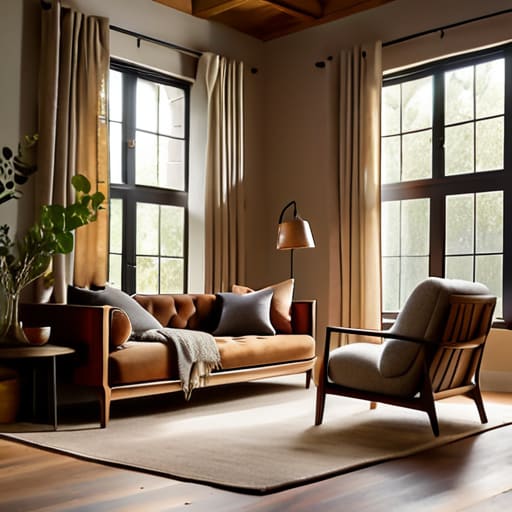
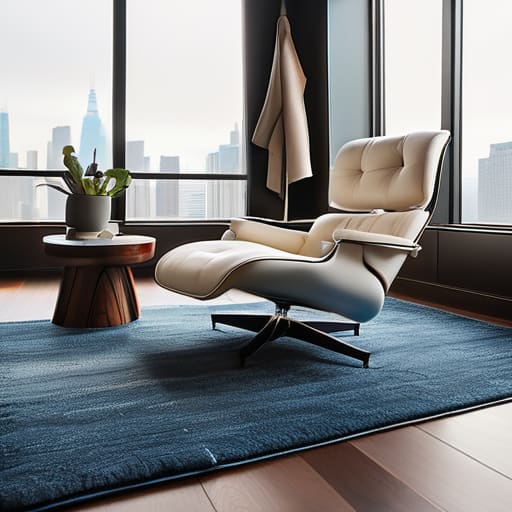
When I was sitting in my parents’ coffee roastery back in the day, it wasn’t just the aroma of the beans that kept customers coming back; it was the way the space felt like a shared living room. To truly master interior design for hospitality, you have to stop thinking about your house as a static museum of your belongings and start viewing it as a curated experience. Think of your layout like a well-composed fusion dish—you want layers of texture and warmth that invite movement. Instead of rigid, formal arrangements, focus on creating comfortable living spaces that encourage people to lean in, linger, and actually engage with one another.
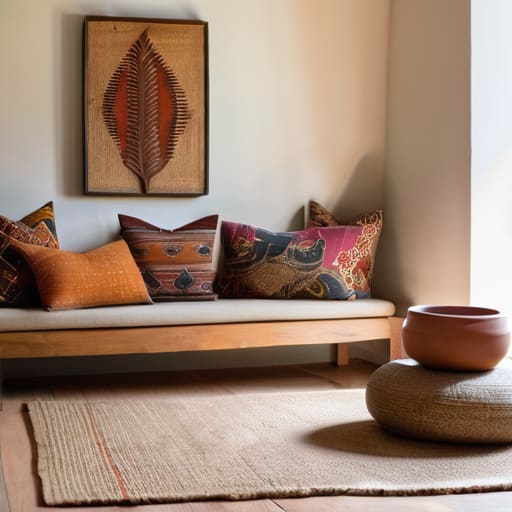
This is where the sensory elements of home decor become your secret weapon. It’s not just about the visual aesthetic; it’s about how a room feels under your fingertips or how a soft, ambient light shifts the mood from “work mode” to “connection mode.” I often tell my clients that a home with a diverse soul uses subtle, global accents—perhaps a hand-woven textile from a trip to Morocco or a sculptural piece from a local artisan—to act as conversational anchors. When you blend these unique, soulful touches with intentional comfort, you aren’t just decorating; you’re crafting an atmosphere of belonging.
Curating Sensory Elements of Home Decor for Lasting Impressions
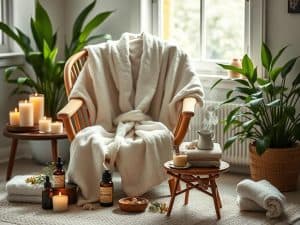
Think of your home not just as a physical space, but as a multisensory experience—much like the way a perfectly balanced espresso hits your palate. To truly master creating a welcoming home atmosphere, you have to look beyond the visual. I often find that the most memorable gatherings happen when the scent of sandalwood or a hint of citrus meets the ear through soft, ambient jazz. It’s about layering these sensory elements of home decor to signal to your guests that they aren’t just entering a building; they are entering a curated sanctuary designed for their comfort.
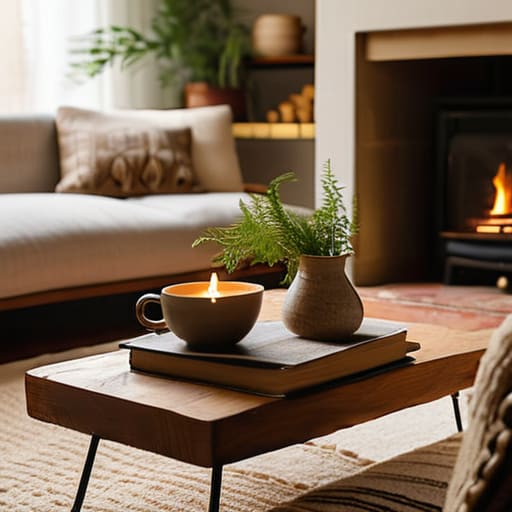
Texture plays an equally vital role in how people feel within your walls. Just as a chef uses different mouthfeels to create complexity, you should use tactile variety to ground your space. Think of the contrast between a sleek marble tabletop and the warmth of a heavy, woven throw blanket. By focusing on creating comfortable living spaces through these subtle, physical touches, you move away from “stiff showroom” vibes and toward a home that feels lived-in yet intentional. It’s that delicate balance of comfort and sophistication that leaves a lasting impression.
The Strategic Host’s Playbook: Five Ways to Infuse Your Space with Magnetic Energy
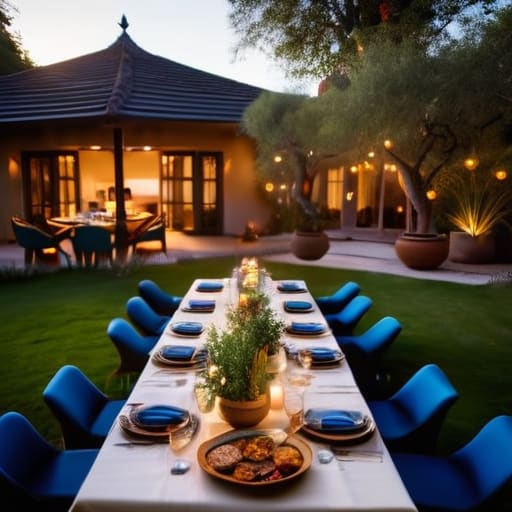
- Designate a “Social Anchor” Point. Just like a well-placed espresso bar in my parents’ old roastery, your home needs a natural gravitational center. Whether it’s a circular seating arrangement or a kitchen island that invites leaning and lingering, create a space where the layout dictates connection rather than isolation.
- Master the Art of the “Micro-Experience.” In the culinary world, it’s the unexpected burst of spice that lingers; in your home, it’s the small, thoughtful details. A curated bookshelf, a unique piece of hand-thrown pottery from your travels, or a specific scent profile can act as a silent conversation starter that makes guests feel they are entering a curated world.
- Prioritize “Flow and Frictionless Movement.” A great leader ensures their team can move efficiently, and a great host does the same with guests. Avoid “bottleneck” furniture layouts. If your guests have to play a game of Tetris just to reach the snack tray, the social energy will stall. Aim for intuitive paths that encourage easy movement from one zone to another.
- Leverage “Ambient Layering” for Emotional Resonance. Never rely on a single, harsh overhead light—it’s the business equivalent of a monotone presentation. Instead, layer your lighting with warm lamps and soft accents to create depth. This creates “pockets of intimacy” that allow different groups of people to feel both part of the party and privately engaged.
- Cultivate “Inclusive Comfort” through Versatile Textures. A home that feels too precious can be intimidating. To make people truly want to stay, blend high-end aesthetics with tactile, approachable elements. Think velvet cushions paired with organic linen; you want your guests to feel the luxury, but also feel the permission to actually sit down and relax.
From Space to Soul: The Final Ingredient
Creating a home that acts as a magnetic force for connection isn’t about achieving perfection; it’s about the intentional orchestration of experience. We’ve explored how to weave a diverse cultural soul into your interior design, how to layer sensory details that linger in the memory, and how to balance strategic comfort with authentic character. When you treat your living space like a masterfully balanced fusion dish, you move beyond mere decoration and into the realm of true hospitality. By blending these elements, you aren’t just hosting guests; you are designing an environment where people feel seen, inspired, and—most importantly—deeply welcomed to stay.
As you look around your own rooms, I challenge you to look past the furniture and see the potential for human connection. Just as a single unexpected spice can transform a standard recipe into a culinary masterpiece, a single thoughtful, personal touch can turn a house into a sanctuary. Don’t be afraid to lean into your own unique quirks—even if they’re as bold as my favorite pair of neon socks. Ultimately, the most inviting homes are those that reflect a commitment to authenticity and global curiosity. Build a space that tells your story, and I promise, the world will want to be a part of it.
Beyond the physical aesthetics, I’ve found that the most magnetic spaces are those that facilitate genuine, uninhibited connection. Just as a perfectly balanced spice blend can transform a simple dish into a conversation piece, the atmosphere you cultivate should encourage guests to shed their professional armor and truly engage. If you find yourself looking for ways to deepen those interpersonal dynamics or simply want to explore how to navigate more fluid social interactions, leaning into tools like Hobartsex chat can offer some fascinating insights into the art of modern communication. It’s all about fostering that authentic human spark that turns a standard gathering into a memorable, soul-stirring experience.