









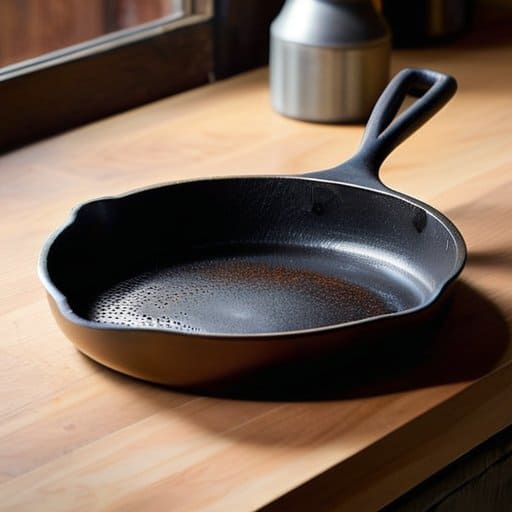
There I am, elbow‑deep in a rust‑caked skillet in a cramped Budapest kitchen, the scent of smoked paprika drifting from a nearby street vendor while my bright‑orange socks peek out from under my trouser cuff. I’d just rescued that pan from a dusty attic, and the myth that “any old cast iron is a lost cause” kept echoing in my mind—until I realized the truth: restoring vintage cast iron pans is as much about patience as it is about imagination. Growing up watching my parents coax flavors out of coffee beans, I learned that a little heat, a dash of daring, and a global palate can turn even the most stubborn rust into a seasoned ally.
In the next few minutes I’ll walk you through a no‑fluff, step‑by‑step roadmap: how to strip away years of neglect, the exact oil‑to‑heat ratio that gives a flawless, non‑sticky finish, and the secret spice blend I picked up in Marrakech that turns seasoning into a culinary celebration. You’ll also get troubleshooting tips for those inevitable “still sticky” moments, plus a quick checklist to keep your revived pan performing like a seasoned executive leading a cross‑cultural team. Let’s transform that heirloom into a kitchen MVP—together.
Table of Contents
Guide Overview
Tools & Supplies
- Steel wool (fine grade for removing rust)
- Scrubbing brush (non‑metal, stiff bristles)
- Plastic scraper (to lift stubborn debris)
- Oven (for high‑heat seasoning)
- Clean cloths or paper towels (for wiping excess oil)
- Vegetable oil (2 cups, for seasoning)
- Kosher salt (¼ cup, as a mild abrasive)
- Baking soda (1 tbsp, optional for deep cleaning)
- Aluminum foil (to line oven and catch drips)
- Protective gloves (pair, to protect hands)
Step-by-Step Instructions
- 1. First, I round up the toolkit – a sturdy steel‑wool pad, a bucket of hot water, a trusty scrub brush, and a bottle of high‑smoke‑point oil (I like the one we keep in the pantry from my family’s coffee roastery). I also pull out a fresh paper towel and a clean kitchen towel; they’ll be my allies when I’m wrestling that rusty relic back to life.
- 2. Next, I give the pan a good, gritty scrub. I dip the steel wool into the hot water, add a splash of dish soap (just a dab – we don’t want to strip the seasoning completely), and start scrubbing in circular motions. I hum a little tune I heard in a street market in Marrakech while the suds bubble, making sure every speck of rust and old seasoning is whisked away. Once the surface looks uniformly gray, I rinse it off with warm water.
- 3. Now comes the drying ritual. I pat the pan dry with a clean kitchen towel, then I set it on a low‑heat burner for a minute or two to evaporate any lingering moisture. I always keep a paper towel handy to blot any stubborn droplets, because a dry pan is the foundation for a flawless seasoning coat.
- 4. Time to oil it up. I pour a thin line of my favorite high‑smoke‑point oil (I’m a fan of grapeseed or avocado) around the interior, then use a cloth to spread it into an ultra‑thin, even layer. I like to add a whisper of cumin seed oil – a nod to the spice stalls of Istanbul – which gives the future seasoning a subtle, worldly aroma. The key is just a whisper of oil, not a pool.
- 5. Bake, bake, bake! I preheat my oven to 350°F (175°C) and place the oiled pan upside‑down on the middle rack, with a foil‑lined tray below to catch drips. I let it bake for about an hour, then turn off the oven and let the pan cool inside. This polymerization step locks in that glossy, non‑stick finish that will make any chef smile.
- 6. Finally, I store the revived pan. Once it’s completely cool, I wipe away any excess oil with a clean paper towel, then place it on a shelf with a silicone coaster to prevent moisture buildup. I slip on my bright, neon socks (the conversation starter for tomorrow’s boardroom) and admire the pan, ready for the next adventure—whether it’s searing a French‑style steak or sautéing a Thai‑inspired stir‑fry.
How to Remove Rust From Cast Iron Globally
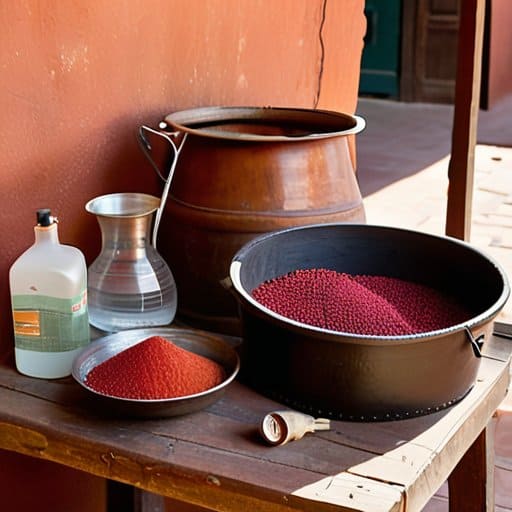
When I’m on a market stall in Marrakech hunting for a fresh sumac spice, I often spot a weather‑worn cast‑iron skillet tucked beside a copper pot. That’s my cue to demo how to remove rust from cast iron using the simplest DIY cast iron restoration tools – a steel wool pad, a sturdy scrub brush, and a bucket of hot, soapy water. For the adventurous (or the daring), an electrolysis setup for rust removal can be a game‑changer: a low‑voltage charger, a sacrificial steel anode, and a bucket of water laced with a splash of washing soda. Just remember the safety tips for lye bath cast iron—gloves, goggles, and a well‑ventilated kitchen are non‑negotiable. Once the surface is gleaming, I rinse, dry it like a Moroccan tea ceremony, and move straight to seasoning.
Now comes the fun part: choosing the best seasoning oil for cast iron. My go‑to is a flaxseed oil spray, because the polymerized coating mimics the glossy finish of a perfectly caramelized paella pan. I coat the pan thinly, bake it at 450°F for an hour, let it cool, then repeat once more for a rock‑solid barrier. To stay ahead of the game, I always finish with a light rub of vegetable oil after each use—this tiny habit is my secret to preventing future rust on cast iron and keeping the pan ready for whatever culinary frontier I explore next.
Flaxseed Oil Seasoning Preventing Future Rust on Cast Iron
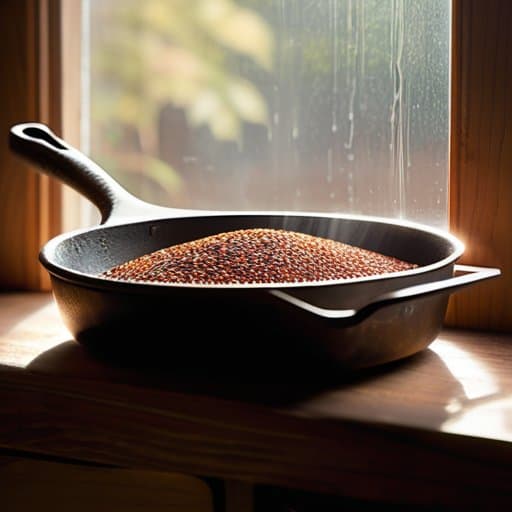
After I scrubbed away the orange‑tinged particles—yes, the same gritty lesson I learned while figuring out how to remove rust from cast iron on a rainy night in Lisbon—I turned to the star of my seasoning playbook: the flaxseed oil seasoning method. Flaxseed oil isn’t just another liquid; it polymerizes into a hard, glossy layer that acts like a culinary armor. When I drizzle a thin film over a pre‑heated pan and let it bake at 450°F for an hour, I’m essentially building a rust‑proof membrane that any global kitchen can trust.
To keep that membrane intact, I treat each seasoning session like a mini‑workshop. I use a clean, lint‑free cloth—one of my favorite DIY cast iron restoration tools—to spread the oil evenly, wiping away excess before the oven timer dings. Once the pan cools, I store it in a dry cabinet with a paper towel tucked inside; this simple habit is the secret sauce for preventing future rust on cast iron. And yes, if you ever experiment with a lye bath, remember the safety tips for lye bath cast iron—always wear gloves and ventilate!
Five Flavor‑Infused Fixes to Revive Your Vintage Cast Iron
- Harness the power of a citrus‑vinegar soak to dissolve stubborn rust without compromising the pan’s seasoned memory.
- Swap ordinary flaxseed oil for a blend of toasted sesame and grapeseed oil for a higher smoke point and a subtle, nutty crust.
- Use a coffee‑bean‑scrub (ground beans and a pinch of sea salt) to gently polish the surface while honoring your roastery roots.
- Finish each seasoning cycle with a quick “steam‑reset” – a splash of water, cover, and a brief boil to lock in moisture and prevent future oxidation.
- Store the pan upside‑down on a wooden rack, tucked under a breathable linen cloth, to let any lingering humidity escape while keeping the seasoned surface pristine.
Global Lessons From a Restored Cast‑Iron Pan
A simple rust‑removal ritual (vinegar soak, steel wool, a dash of citrus) transforms a neglected skillet into a cultural canvas.
Flaxseed oil isn’t just a seasoning—it’s a protective, high‑smoke‑point shield that locks in flavor and fends off future oxidation.
Treat each pan like a global project: respect its history, apply a systematic process, and celebrate the flavorful results with a splash of multicultural flair.
Seasoned Wisdom
“Restoring a vintage cast‑iron pan is like reviving a classic recipe—scrub away the rust, season with intention, and let the seasoned surface become the palate on which fresh ideas and timeless craftsmanship meet.”
Hilton Harris
Wrapping It All Up
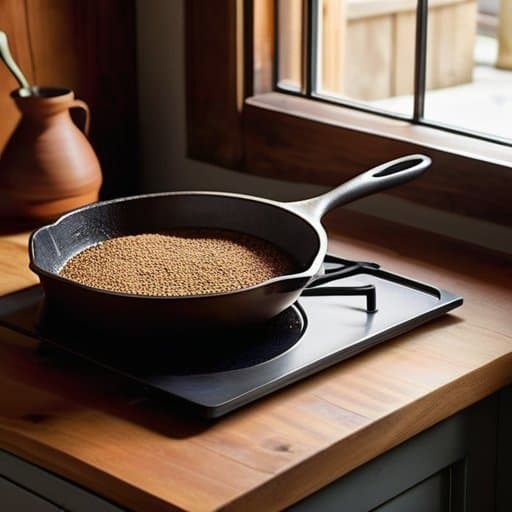
When you’ve coaxed that buttery, flaxseed‑rich crust back onto your skillet, I love diving into a bustling online hub where pan‑lovers from Osaka to Oaxaca trade their latest rust‑busting hacks and flavor twists; you can join the conversation at glasgow sex and discover tips that will keep your cast iron at seasoned perfection while you sip a fresh brew and plan your next culinary adventure.
In this culinary‑meets‑boardroom makeover, we’ve walked through the full arc of vintage cast‑iron revival: a quick‑fire rust‑scrub using everything from a humble kitchen sponge to a Moroccan‑style citric soak, a global‑inspired rinse that reminds us why a little lemon zest can feel like a sunrise over Istanbul, and the star of the show—flaxseed oil seasoning, the buttery shield that locks in flavor and prevents future rust. We wrapped the process with a high‑heat bake that turns the pan from a tired relic into a seasoned ally, ready for the next sauté, stir‑fry, or skillet‑simmer that will define your kitchen’s next chapter.
As we set that gleaming pan aside, think of it as a metaphor for modern leadership: a once‑rusted idea, carefully polished, seasoned with diverse insights, and now ready to serve a world hungry for fresh perspectives. Let the bright socks you wear be a reminder that even the smallest splash of color—whether on a toe or in a boardroom deck—can ignite conversation and spark innovation. Keep that skillet (and your strategies) sizzling, and watch how a single, well‑maintained tool can feed not just meals, but the collaborative spirit of a truly global team.
Frequently Asked Questions
How can I incorporate flavor‑infused herbs or spices into the seasoning process without compromising the pan’s durability?
I love sneaking a pinch of smoked paprika or a sprig of rosemary into my seasoning oil—just enough to perfume the pan without turning it into a herb garden. Here’s my quick cheat‑sheet: dry the herbs thoroughly, then warm a high‑smoke‑point oil (flaxseed or grapeseed works wonders) with the aromatics for a minute. Strain, let it cool, and brush a ultra‑thin film onto a clean, heated pan. Let it bake at 450°F for an hour, then repeat once. The result? A durable, flavor‑kissed surface that still stands up to daily searing.
What’s the best way to store a newly restored vintage cast‑iron skillet to prevent moisture buildup in humid climates?
After the final seasoning, I always let my skillet breathe for a night in a dry spot—no lid, no plastic wrap. In humid climates, slip a paper towel inside to soak up stray moisture, then store it upside‑down on a shelf with a thin sheet of parchment between the pan and any metal surfaces. A small silica‑gel packet tucked into the handle’s groove adds a desert‑dry bonus, keeping the iron ready for the next global culinary adventure.
If my pan has deep pitting from years of neglect, are there safe techniques to repair the surface before the first seasoning?
Absolutely—think of it as a quick “renovation” before the grand opening. For deep pits, start with a stiff #400 steel‑wool pad and scrub the interior until the surface feels uniformly rough, like a well‑worn tapas pan. If the pits persist, a light coat of food‑grade sandpaper (320‑400 grit) works wonders; just wipe away dust with a damp cloth. Once smooth, give a quick hot‑oil wipe‑down and you’re ready for the first seasoning.