








Thinking about owning a vacation home brings up images of laughter and warmth. It’s a dream that fills my heart with adventure and love for family. But, it’s not just a dream; it’s a big responsibility.
I’ve learned that buying a second home needs careful thought. You must understand the real estate market, costs, and the joy of making memories with family. Let’s think about what owning a vacation home means for your lifestyle, family, and finances.
Key Takeaways
- Real estate market trends are essential for a wise investment.
- Consider initial and ongoing expenses when planning your budget.
- The lifestyle benefits of a vacation home should align with financial objectives.
- Understand rental income to offset costs effectively.
- Emotional factors play a significant role in the decision to buy a second home.
Understanding Real Estate Market Trends
When I explore the vacation home market, knowing the trends is key. The current market conditions shape my choices on property values and investment. Factors like the economy and interest rates play big roles, so staying updated is essential.
Current Market Conditions
Today, vacation home markets are seeing a lot of demand. This is because of changes in lifestyle after global events. People are now looking for more space and peace, leading to higher prices.
Urban areas are also in high demand for their cultural offerings. This makes choosing the right property a complex task for buyers like me.
Future Market Predictions
Looking ahead, some markets might stabilize, while others could cool down with rising interest rates. Knowing this helps me plan my real estate moves. As tastes change, with a focus on energy-efficient homes and amenities, keeping up with trends is vital.
Buying a Vacation Home: Financial Considerations
Buying a vacation home means looking at many financial factors. You need to know the costs upfront, like down payments and closing fees. You might also need to fix up the place for your own use or to rent it out.
Vacation homes usually need a bigger down payment. This is often 20% to 30% of the home’s price.
Initial Investment Costs
The costs to start are key to getting ready to buy. I looked at different ways to finance it. Mortgage rates for vacation homes are often higher than for your main house.
By planning carefully, I can stay financially stable. This is important when you own a property.
Ongoing Expenses
There are ongoing costs too. These include mortgage payments, property taxes, and more. You also need to budget for upkeep, about 1% of the home’s price each year.
Knowing these costs helps you understand the big picture. It shows how much owning a vacation home really costs.
Rental Income
Renting out your vacation home can help cover costs. If you rent it when you’re not there, you can make money. But, you have to follow local laws and understand the market.
There are also tax benefits. You can deduct mortgage interest and property taxes. This can make owning a vacation home more financially appealing.
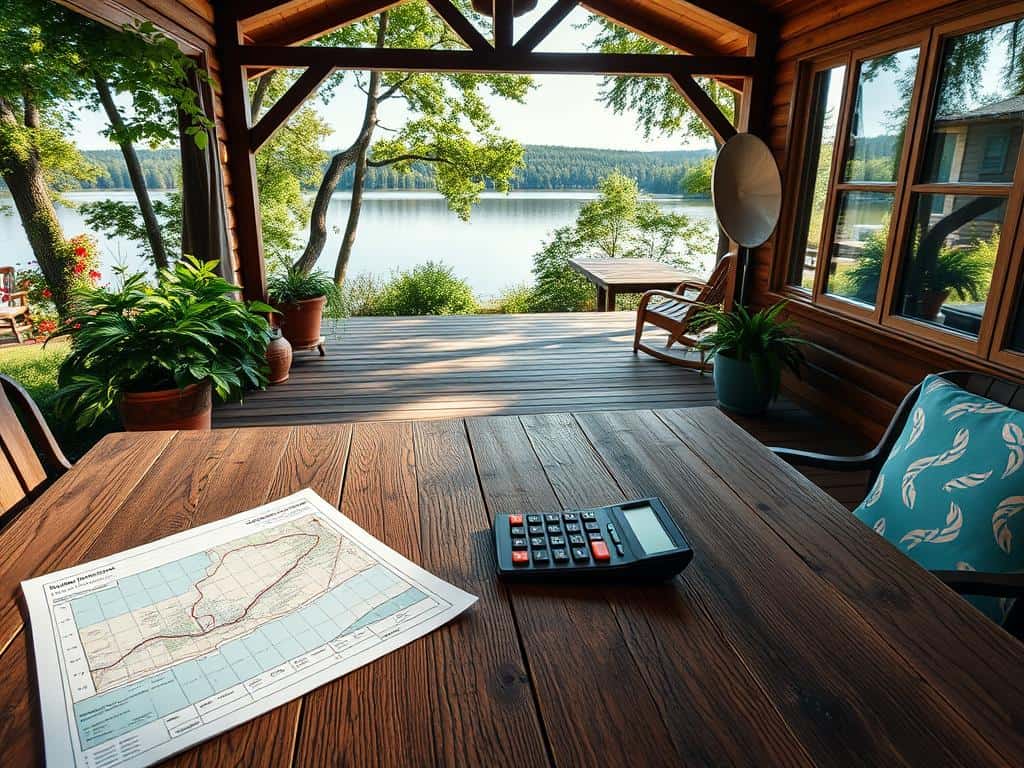
Impact on Lifestyle and Happiness
Buying a vacation home can really change your life and make you happier. How often you use it matters a lot. If you spend months there, it becomes a special place to relax and connect with family.
Going there often makes your life better and helps you feel like you belong. You start to join in local events and make friends. This makes your life richer and more connected.
Frequency of Use
How often you use your vacation home is key to happiness. If you spend enough time there, you make memories that make life worth living. But, if you don’t go often, it might feel like a waste of money.
People usually enjoy experiences more than things. So, going there regularly makes it special. It lets you create lasting memories and traditions.
Community and Social Connectivity
A vacation home can help you meet new people. Being there often lets you talk to neighbors and join local events. This strengthens your ties to the community.
These connections make your vacation home experience even better. You get to know people and help make their lives better too. It’s a win-win for everyone involved.
Conclusion
Buying a vacation home is a big decision that needs careful thought. You must consider the real estate market and the money side of things. I learned how important it is to know the market well. This helps figure out if your investment will pay off in the long run.
There are also big financial pluses to owning a vacation home. You can save a lot on taxes each year. Plus, renting it out can help cover costs. This makes owning a vacation home a smart move financially.
But the real reason to buy a vacation home is the joy it brings. It’s a place where you can make special memories. It also gives you a financial safety net. This balance makes the decision to buy a vacation home a rewarding one.