








My last shopping trip showed a big change in how stores talk to us. No longer do we just pick from a few items. Now, it feels like the store knows exactly what we want. With consumer spending making up 60% to 70% of a country’s total income, digital products are key in changing retail.
Big stores are now online marketplaces, blending old and new ways of shopping. This makes buying things easy and personal. It’s not just a trend; it’s a big change in how we shop and what we expect from stores.
Technology is changing how we shop, not just selling things. It lets sales staff check stock and know our buying history instantly. Stores are using data to make ads just for us, making shopping better.
Stores are racing to keep up with these changes. With prices going up, over 60% of us want better shopping experiences. The push for ads that feel personal is huge, changing how we shop and connect with brands.
Key Takeaways
- Digital products are reshaping retail experiences to meet evolving consumer expectations.
- Consumer spending is critical, representing 60% to 70% of GDP in mature economies.
- Over 70% of consumers are likely to stay loyal to brands that make them feel valued.
- Technology integration in retail is becoming essential for engaging customers.
- A significant portion of consumers prefer personalized interactions and instant gratification.
- The rise of omnichannel experiences is key for staying competitive in retail.
The Impact of Digital Products on Consumer Behavior
Digital products have changed how we interact with brands and make choices. As technology grows, we want quicker and easier solutions. This desire for fast results changes our shopping habits in many ways.
Shifting Expectations for Instant Gratification
Today, people want quick answers and expect brands to meet their needs fast. A big 54% of social media users check out products online. This shows we want information right away.
Mobile devices are key, with over 50% of internet traffic coming from them. This means we shop and interact digitally, whether on the go or at home.
Omnichannel Shopping Experiences
Omnichannel retail is very important now. People use different devices to buy things, with over 90% doing so. This makes shopping better and boosts sales.
Studies show shoppers who use many devices buy more. This highlights the need for brands to use all channels well to meet our changing needs.
The Rise of Personalized Marketing
Personalized marketing is key in today’s retail world. People want shopping experiences that fit them. Brands need to use data to make these experiences better.
Personal ads can increase engagement by 40% and sales by 50%. So, brands are making their digital experiences more personal. This helps guide our buying choices based on what we like and do online.
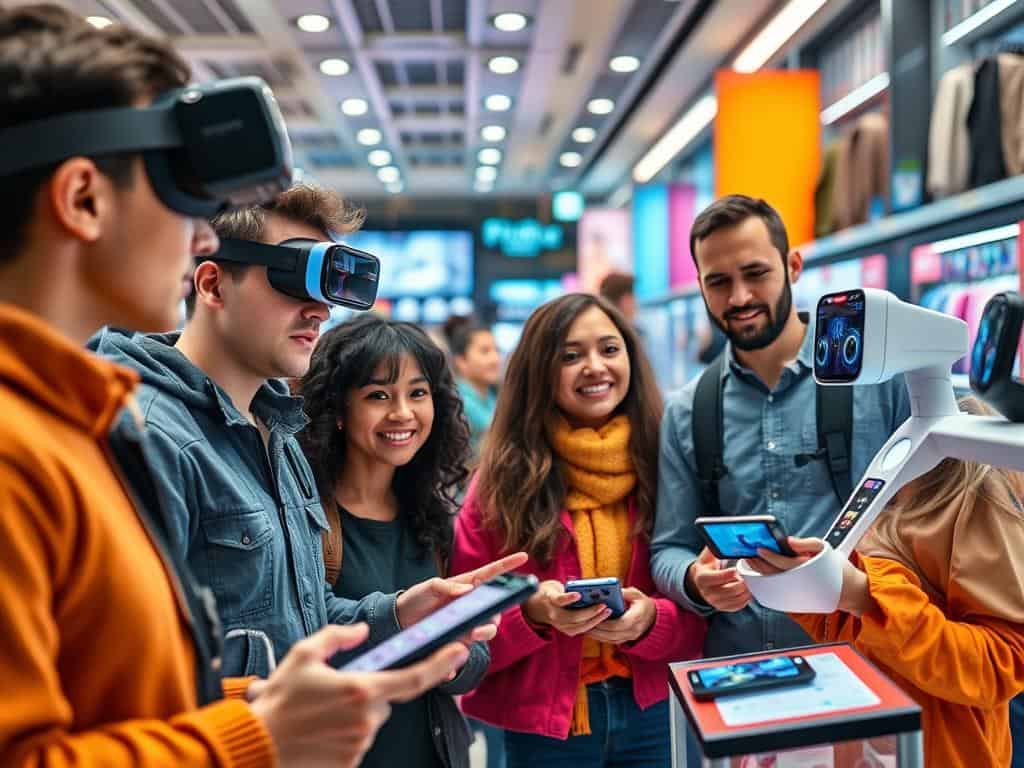
Embracing Digital Products for Retail Innovation
In today’s fast-changing market, retailers must use digital innovation to keep up. Adding technology to their plans is key to meet customer needs and improve how they work. Using retail technology is now essential to succeed in the digital world.
Integrating Technology into Retail Strategy
A good retail plan mixes digital innovation with old ways. Companies using AI in their products can improve how they talk to customers. By 2025, 95% of customer interactions will be influenced by AI.
This mix creates a more personal shopping experience. It lets customers interact in ways we thought were impossible.
Case Studies of Successful Digital Implementation
Looking at successful digital projects shows us what works. For example, using data analytics can make a big difference. Businesses that use data insights are 19 times more likely to be profitable.
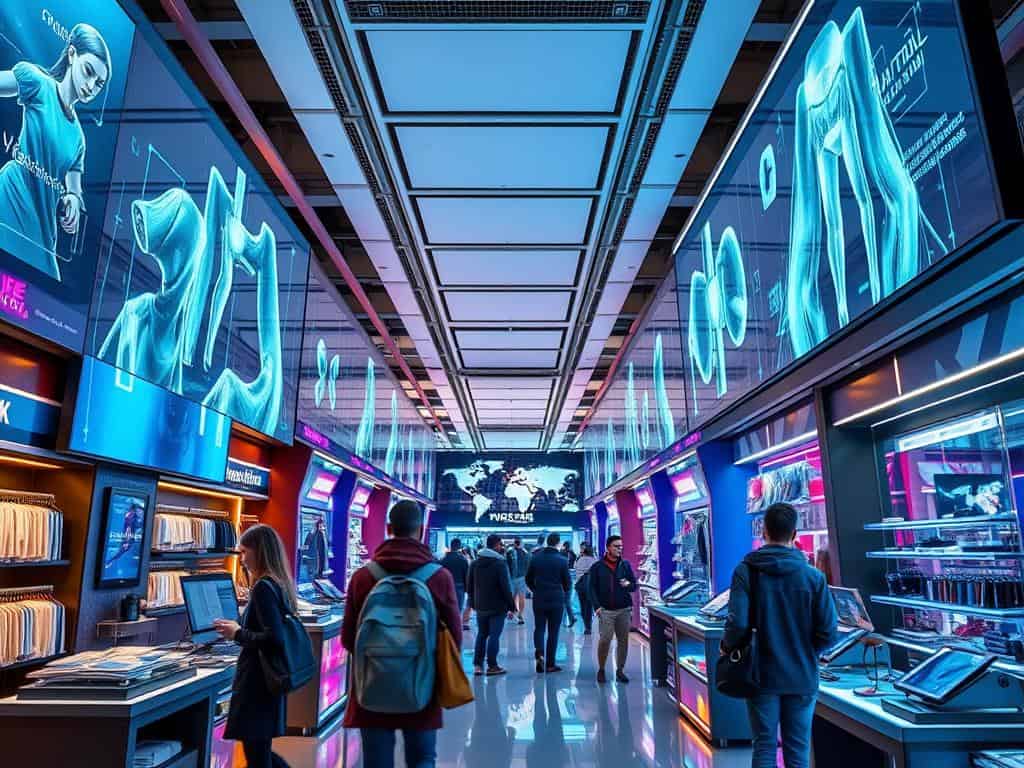
Retailers like Home Depot have given their staff mobile tools. This helps manage inventory and improve customer service. Nike Live shows how digital innovation can make shopping more engaging.
Challenges in Adopting Digital Solutions
Even with benefits, there are challenges to adopting digital solutions. Retailers need to invest in new technology. Employees might also resist new systems and processes.
It’s important to tackle these issues to make the transition smoother.
Conclusion
The future of retail is changing fast because of digital products. Consumers want shopping experiences that are personal and easy. Retailers must use new technologies and improve their online and offline sales.
Using digital products is key to keeping customers interested. Online shopping has grown a lot because it’s so convenient. Streaming services have changed how we enjoy music, movies, and TV shows.
Online learning is also getting better, making education more flexible and open to everyone. Digital gaming has become a huge market, giving gamers around the world exciting experiences. Retailers who adapt to these changes will lead the way in a competitive market.